Zinc diethyldithiocarbamate
Zinc diethyldithiocarbamate (CAS: 14324-55-1), with the chemical formula [(C2H5)2NCS2]2Zn and a molecular weight of 361.93 g/mol, is a zinc salt of diethyldithiocarbamic acid. It is commonly employed as an accelerator in rubber vulcanization and as a chemical intermediate. This compound finds applications in various chemical synthesis processes and inorganic chemistry, contributing to diverse industrial formulations.
- IUPAC
- Diethyldithiocarbamic acid zinc salt,Zinc bis(diethyldithiocarbamate),Zinc diethylcarbamodithioate
- Synonyms
- Diethyldithiocarbamic acid zinc saltZinc bis(diethyldithiocarbamate)Zinc diethylcarbamodithioate
![Zinc diethyldithiocarbamate ([(C2H5)2NCS2]2Zn) — chemical structure, CAS 14324-55-1; Chemistry, fine chemical supplied by Tech Serve Solutions](/_next/image?url=https%3A%2F%2Fpub-f4d920c906024441a773a96f7098e551.r2.dev%2Fimages%2Fproducts%2F14324-55-1.png&w=3840&q=75)
Rubber Vulcanization Accelerator
Zinc diethyldithiocarbamate acts as a secondary accelerator in the vulcanization of natural and synthetic rubbers. It helps to improve cure rates and enhance the physical properties of the final rubber products.
Chemical Synthesis Intermediate
This compound serves as a versatile intermediate in organic and inorganic synthesis. Its dithiocarbamate structure allows for various chemical transformations, facilitating the production of more complex molecules.
Catalysis Applications
As a zinc-containing compound, it may be utilised in catalytic processes within inorganic chemistry. Its specific role can vary depending on the reaction conditions and desired outcomes.
| Molecular weight | 361.93 |
|---|---|
| Linear formula | [(C2H5)2NCS2]2Zn |
| Assay | 97% |
| Melting point | 178-181 °C(lit.) |


Hazard statements
- H302Harmful if swallowed
- H315Causes skin irritation
- H317May cause an allergic skin reaction
- H319Causes serious eye irritation
- H335May cause respiratory irritation
- H410Very toxic to aquatic life with long-lasting effects
Precautionary statements
- P261Avoid breathing dust, fume, gas or vapours
- P273Avoid release to the environment
- P280Wear protective gloves, clothing and eye/face protection
- P305IF IN EYES
- P501Dispose of contents and container per local regulations
| Transport (UN / ADR) | UN 3077 9 / PGIII |
|---|---|
| Water hazard class (WGK, DE) | 3 |
| Hazard codes (EU) | Xn,N |
| Risk statements (R) | 22-36/37/38-43-50/53 |
| Safety statements (S) | 24-37-60-61 |
Hazard information is provided for guidance. Always consult the product Safety Data Sheet (SDS), available on request, before handling.
Documentation
Every batch ships with a Certificate of Analysis covering assay, identity and purity; the grade is confirmed against your enquiry. Safety Data Sheets and technical data sheets are available on request.
Supply & logistics
Samples for technical evaluation; bulk MOQ by grade and packaging. In-stock material ships in 7–10 working days, worldwide, with full export documentation.
What is Zinc diethyldithiocarbamate primarily used for?
+
Zinc diethyldithiocarbamate is primarily used as an accelerator in rubber vulcanization and as an intermediate in chemical synthesis.
What are the CAS number and chemical formula for Zinc diethyldithiocarbamate?
+
The CAS number is 14324-55-1, and the chemical formula is [(C2H5)2NCS2]2Zn.
What grade and purity does Tech Serve Solutions supply?
+
Tech Serve Solutions supplies Zinc diethyldithiocarbamate with an assay of 97%. This is typically considered a technical or research grade, and we do not represent it as USP, BP, EP, or pharmacopoeia grade unless explicitly stated.
How should Zinc diethyldithiocarbamate be handled safely?
+
Zinc diethyldithiocarbamate is harmful if swallowed, causes skin irritation, may cause an allergic skin reaction, causes serious eye irritation, may cause respiratory irritation, and is very toxic to aquatic life with long-lasting effects. Handle with appropriate personal protective equipment in a well-ventilated area, avoiding release into the environment.
Is Zinc diethyldithiocarbamate a controlled substance?
+
The provided data does not indicate that Zinc diethyldithiocarbamate is a controlled substance.
How is this chemical packed and exported by TSS?
+
Tech Serve Solutions exports chemicals globally, adhering to international shipping regulations for hazardous materials. Packaging is designed to ensure product integrity and safety during transit.
How can I request a sample or quote for Zinc diethyldithiocarbamate?
+
To request a sample or a quote, please contact our sales team through the website or provide your details via the enquiry form, specifying the product name and CAS number.
▶ Related products
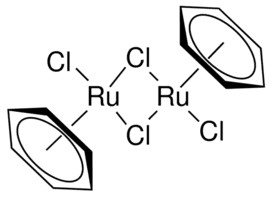
Benzeneruthenium(II) chloride dimer
Ru2(C6H6)2Cl4
Catalysis & Inorganic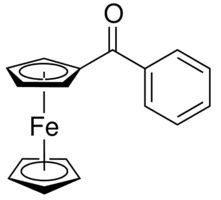
Benzoylferrocene
C17H14FeO
Catalysis & Inorganic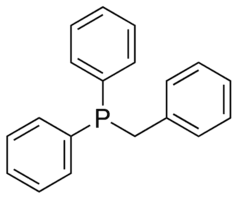
Benzyldiphenylphosphine
C6H5CH2P(C6H5)2
Catalysis & Inorganic
Beryllium
Be
Catalysis & Inorganic
Beryllium oxide
BeO
Catalysis & Inorganic![Bicyclo[2.2.1]hepta-2,5-diene-rhodium(I) chloride dimer — chemical structure, CAS 12257-42-0; Catalysis & Inorganic, fine chemical supplied by Tech Serve Solutions](/_next/image?url=https%3A%2F%2Fpub-f4d920c906024441a773a96f7098e551.r2.dev%2Fimages%2Fproducts%2F12257-42-0.png&w=3840&q=75)
Bicyclo[2.2.1]hepta-2,5-diene-rhodium(I) chloride dimer
Catalysis & Inorganic
![Bis[(10,11-η)-5-[(11bS)-dinaphtho[2,1-d:1′,2′-f][1,3,2]dioxaphosphepin-4-yl- κP4]-5H-dibenz[b,f]azepine]rhodium(I) tetrafluorobo — chemical structure, CAS 1228149-03-8; Catalysis & Inorganic, fine chemical supplied by Tech Serve Solutions](/_next/image?url=https%3A%2F%2Fpub-f4d920c906024441a773a96f7098e551.r2.dev%2Fimages%2Fproducts%2F1228149-03-8.png&w=3840&q=75)
Bis[(10,11-η)-5-[(11bS)-dinaphtho[2,1-d:1′,2′-f][1,3,2]dioxaphosphepin-4-yl- κP4]-5H-dibenz[b,f]azepine]rhodium(I) tetrafluorobo
1-d:1′
Catalysis & Inorganic![Bis[(2-dimethylamino)phenyl]amine nickel(II) chloride (C16H20ClN3Ni) — chemical structure, CAS 1033772-47-2; Catalysis & Inorganic, fine chemical supplied by Tech Serve Solutions](/_next/image?url=https%3A%2F%2Fpub-f4d920c906024441a773a96f7098e551.r2.dev%2Fimages%2Fproducts%2F1033772-47-2.png&w=3840&q=75)
Bis[(2-dimethylamino)phenyl]amine nickel(II) chloride
C16H20ClN3Ni
Catalysis & Inorganic