Potassium hexachloroplatinate(IV)
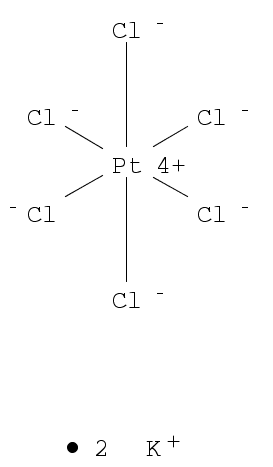
Potassium hexachloroplatinate(IV), CAS 16921-30-5, presents as a chemical compound with the linear formula K₂PtCl₆ and a molecular weight of 485.99 g/mol. This platinum salt is primarily utilised as a catalyst and intermediate in various chemical syntheses. Its applications span inorganic chemistry and specialised industrial processes requiring a reliable source of platinum for catalytic activity or material science research.
- IUPAC
- Dipotassium hexachloroplatinate,Dipotassium platinum hexachloride,Platinic potassium chloride,Platinum potassium chloride,Potassium chloroplatinate,Potassium platinum(IV) chloride,Potassium platinum(IV) hexachloride
- Synonyms
- Dipotassium hexachloroplatinateDipotassium platinum hexachloridePlatinic potassium chloridePlatinum potassium chloridePotassium chloroplatinatePotassium platinum(IV) chloridePotassium platinum(IV) hexachloride
Catalysis
Potassium hexachloroplatinate(IV) serves as a precursor in the preparation of heterogeneous and homogeneous platinum catalysts. These catalysts are crucial for a wide range of chemical reactions, including hydrogenation and oxidation processes in the petrochemical and pharmaceutical industries.
Inorganic Synthesis
It functions as a key reagent in inorganic chemistry for the synthesis of platinum-containing coordination compounds. These compounds can exhibit interesting electronic, magnetic, or photophysical properties, making them subjects of academic research and potential advanced material applications.
Chemical Reagent
The compound is employed as a versatile reagent in organic and inorganic chemical synthesis, facilitating specific chemical transformations. Its defined platinum content and reactivity make it a dependable choice for controlled chemical reactions.
| Molecular weight | 485.99 |
|---|---|
| Linear formula | K2PtCl6 |
| Assay | ≥99.9% trace metals basis |
| Melting point | 250 °C (dec.)(lit.) |


Hazard statements
- H301Toxic if swallowed
- H317May cause an allergic skin reaction
- H318Causes serious eye damage
- H334May cause allergy or asthma symptoms if inhaled
Precautionary statements
- P261Avoid breathing dust, fume, gas or vapours
- P280Wear protective gloves, clothing and eye/face protection
- P301IF SWALLOWED
- P305IF IN EYES
- P342
| Protective equipment | Eyeshields, Faceshields, Gloves, type P2 (EN 143) respirator cartridges |
|---|---|
| Transport (UN / ADR) | UN 3290 6.1/PG 2 |
| Water hazard class (WGK, DE) | 1 |
| Hazard codes (EU) | T |
| Risk statements (R) | 25-41-42/43 |
| Safety statements (S) | 22-26-36/37/39-45 |
Hazard information is provided for guidance. Always consult the product Safety Data Sheet (SDS), available on request, before handling.
Documentation
Every batch ships with a Certificate of Analysis covering assay, identity and purity; the grade is confirmed against your enquiry. Safety Data Sheets and technical data sheets are available on request.
Supply & logistics
Samples for technical evaluation; bulk MOQ by grade and packaging. In-stock material ships in 7–10 working days, worldwide, with full export documentation.
What is Potassium hexachloroplatinate(IV) used for?
+
Potassium hexachloroplatinate(IV) is used as a catalyst and a reagent in inorganic and chemical synthesis, particularly for preparing platinum-based catalysts and coordination compounds.
What is the CAS number and formula for Potassium hexachloroplatinate(IV)?
+
The CAS number is 16921-30-5 and the linear formula is K₂PtCl₆.
What grade and purity does Tech Serve Solutions supply?
+
Tech Serve Solutions supplies Potassium hexachloroplatinate(IV) with an assay of ≥99.9% on a trace metals basis. TSS does not represent this product as USP, BP, or EP grade.
What are the main hazards associated with Potassium hexachloroplatinate(IV)?
+
Potassium hexachloroplatinate(IV) is dangerous; it is toxic if swallowed, causes skin sensitisation, and serious eye damage, and may cause allergy or asthma symptoms or breathing difficulties if inhaled (H301-H317-H318-H334).
How is Potassium hexachloroplatinate(IV) supplied and exported?
+
Potassium hexachloroplatinate(IV) is classified under UN 3290, Class 6.1, Packing Group II for transport. TSS can provide quotations for packed, shipped, and exported quantities worldwide.
How can I request a sample or quote for Potassium hexachloroplatinate(IV)?
+
To request a sample or a quote, please contact the TSS sales team with your specific requirements. We ensure prompt and efficient processing of all enquiries for global export.
▶ Related products
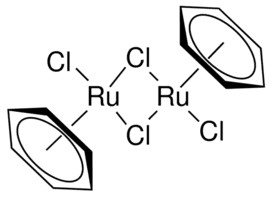
Benzeneruthenium(II) chloride dimer
Ru2(C6H6)2Cl4
Catalysis & Inorganic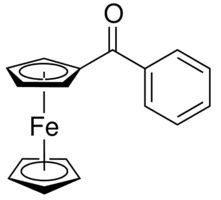
Benzoylferrocene
C17H14FeO
Catalysis & Inorganic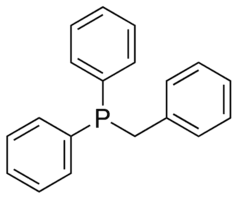
Benzyldiphenylphosphine
C6H5CH2P(C6H5)2
Catalysis & Inorganic
Beryllium
Be
Catalysis & Inorganic
Beryllium oxide
BeO
Catalysis & Inorganic![Bicyclo[2.2.1]hepta-2,5-diene-rhodium(I) chloride dimer — chemical structure, CAS 12257-42-0; Catalysis & Inorganic, fine chemical supplied by Tech Serve Solutions](/_next/image?url=https%3A%2F%2Fpub-f4d920c906024441a773a96f7098e551.r2.dev%2Fimages%2Fproducts%2F12257-42-0.png&w=3840&q=75)
Bicyclo[2.2.1]hepta-2,5-diene-rhodium(I) chloride dimer
Catalysis & Inorganic
![Bis[(10,11-η)-5-[(11bS)-dinaphtho[2,1-d:1′,2′-f][1,3,2]dioxaphosphepin-4-yl- κP4]-5H-dibenz[b,f]azepine]rhodium(I) tetrafluorobo — chemical structure, CAS 1228149-03-8; Catalysis & Inorganic, fine chemical supplied by Tech Serve Solutions](/_next/image?url=https%3A%2F%2Fpub-f4d920c906024441a773a96f7098e551.r2.dev%2Fimages%2Fproducts%2F1228149-03-8.png&w=3840&q=75)
Bis[(10,11-η)-5-[(11bS)-dinaphtho[2,1-d:1′,2′-f][1,3,2]dioxaphosphepin-4-yl- κP4]-5H-dibenz[b,f]azepine]rhodium(I) tetrafluorobo
1-d:1′
Catalysis & Inorganic![Bis[(2-dimethylamino)phenyl]amine nickel(II) chloride (C16H20ClN3Ni) — chemical structure, CAS 1033772-47-2; Catalysis & Inorganic, fine chemical supplied by Tech Serve Solutions](/_next/image?url=https%3A%2F%2Fpub-f4d920c906024441a773a96f7098e551.r2.dev%2Fimages%2Fproducts%2F1033772-47-2.png&w=3840&q=75)
Bis[(2-dimethylamino)phenyl]amine nickel(II) chloride
C16H20ClN3Ni
Catalysis & Inorganic