
Bis(2,2,6,6-tetramethyl-3,5-heptanedionato)zinc(II)
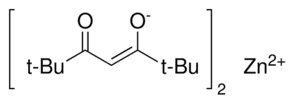
Bis(2,2,6,6-tetramethyl-3,5-heptanedionato)zinc(II) (CAS 14363-14-5), commonly abbreviated Zn(TMHD)2, is a volatile zinc beta-diketonate coordination complex with the formula Zn(C11H19O2)2 and a molecular weight of 431.92 g/mol. Supplied as a solid, it is valued as a clean, sublimable metalorganic source of zinc for chemical and atomic layer deposition (CVD/ALD) of zinc oxide and other zinc-containing thin films, and as a defined precursor for materials research and inorganic synthesis.
- IUPAC
- 2,2,6,6-Tetramethyl-3,5-heptanedione zinc derivative,Zn(TMHD)2
- Synonyms
- Zn(TMHD)2Zinc bis(2,2,6,6-tetramethyl-3,5-heptanedionate)Bis(2,2,6,6-tetramethyl-3,5-heptanedionato)zinc(II)2,2,6,6-Tetramethyl-3,5-heptanedione zinc derivativeZinc dipivaloylmethanateZinc(II) 2,2,6,6-tetramethyl-3,5-heptanedionateCAS 14363-14-5
CVD and ALD zinc precursor
Used as a volatile, thermally well-behaved source of zinc in chemical vapour deposition (CVD) and atomic layer deposition (ALD). Its bulky tetramethylheptanedionate ligands give good sublimation behaviour and clean decomposition, making it suitable for depositing zinc-containing thin films.
Zinc oxide and functional thin films
Serves as a metalorganic precursor for zinc oxide (ZnO) and related films of interest in transparent conducting oxides, optoelectronics and microelectronics research.
Materials science and micro/nanoelectronics
Applied in materials science and micro/nanoelectronics development where a defined, high-purity zinc source is required for thin-film and surface engineering studies.
Inorganic and coordination chemistry
Acts as a well-characterised zinc beta-diketonate building block in catalysis, inorganic chemistry and chemical synthesis, and as a reference complex for studies of metal TMHD chemistry.
| Molecular weight | 431.92 |
|---|---|
| Linear formula | Zn(OCC(CH3)3CHCOC(CH3)3)2 |
| Assay | 97% |
| Form | solid |
| Melting point | 132-134 °C(lit.) |

Hazard statements
- H315Causes skin irritation
- H319Causes serious eye irritation
- H335May cause respiratory irritation
Precautionary statements
- P261Avoid breathing dust, fume, gas or vapours
- P305IF IN EYES
| Protective equipment | dust mask type N95 (US), Eyeshields, Gloves |
|---|---|
| Water hazard class (WGK, DE) | 3 |
| Hazard codes (EU) | Xi |
| Risk statements (R) | 36/37/38 |
| Safety statements (S) | 26-36 |
Hazard information is provided for guidance. Always consult the product Safety Data Sheet (SDS), available on request, before handling.
Documentation
Every batch ships with a Certificate of Analysis covering assay, identity and purity; the grade is confirmed against your enquiry. Safety Data Sheets and technical data sheets are available on request.
Supply & logistics
Samples for technical evaluation; bulk MOQ by grade and packaging. In-stock material ships in 7–10 working days, worldwide, with full export documentation.
What is Bis(2,2,6,6-tetramethyl-3,5-heptanedionato)zinc(II) used for?
+
It is used mainly as a volatile zinc precursor for chemical and atomic layer deposition (CVD/ALD) of zinc oxide and other zinc-containing thin films. It also serves as a defined zinc beta-diketonate complex for materials science, micro/nanoelectronics, catalysis and inorganic synthesis.
What is the CAS number and molecular formula of Bis(2,2,6,6-tetramethyl-3,5-heptanedionato)zinc(II)?
+
Its CAS number is 14363-14-5. The linear formula is Zn(OCC(CH3)3CHCOC(CH3)3)2 (the zinc bis-chelate of 2,2,6,6-tetramethyl-3,5-heptanedione), with a molecular weight of 431.92 g/mol and MDL number MFCD00192578.
What grade and purity does Tech Serve Solutions supply?
+
Tech Serve Solutions supplies this material as a solid with a typical assay of 97% and a literature melting point of 132-134 °C. It is offered as a technical/research-grade precursor; we do not represent it as USP, BP or EP pharmacopoeia grade. A certificate of analysis can be provided with each batch.
What are the safety and handling requirements for this compound?
+
It carries GHS07 with the signal word Warning and hazard statements H315 (causes skin irritation), H319 (causes serious eye irritation) and H335 (may cause respiratory irritation). Handle with eye protection, gloves and an N95-type dust mask, avoid dust generation, and follow the precautionary advice P261 and P305+P351+P338. It is classified WGK 3 (highly hazardous to water), so prevent release to drains and watercourses. Always consult the current Safety Data Sheet before use.
How is Bis(2,2,6,6-tetramethyl-3,5-heptanedionato)zinc(II) packed, shipped and exported?
+
It is supplied as a solid in tightly sealed containers sized to the order, from research quantities to larger volumes, with batch documentation. As a moisture-sensitive deposition precursor it is packed to keep it dry, and it is dispatched and exported worldwide in line with the applicable transport and dangerous-goods regulations. Tell us your destination and quantity and we will confirm the appropriate packaging and shipping method.
How do I request a sample or quote?
+
Contact Tech Serve Solutions with your required quantity, purity and delivery destination, and we will provide a quotation, available documentation and lead time. Samples can be arranged subject to availability.
▶ Related products
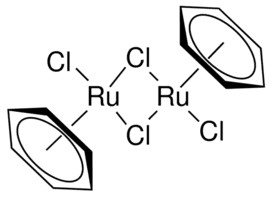
Benzeneruthenium(II) chloride dimer
Ru2(C6H6)2Cl4
Catalysis & Inorganic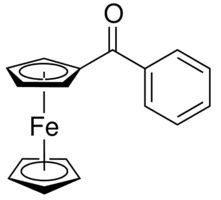
Benzoylferrocene
C17H14FeO
Catalysis & Inorganic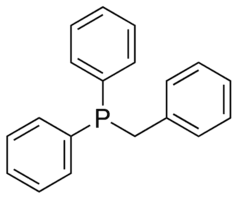
Benzyldiphenylphosphine
C6H5CH2P(C6H5)2
Catalysis & Inorganic
Beryllium
Be
Catalysis & Inorganic
Beryllium oxide
BeO
Catalysis & Inorganic![Bicyclo[2.2.1]hepta-2,5-diene-rhodium(I) chloride dimer — chemical structure, CAS 12257-42-0; Catalysis & Inorganic, fine chemical supplied by Tech Serve Solutions](/_next/image?url=https%3A%2F%2Fpub-f4d920c906024441a773a96f7098e551.r2.dev%2Fimages%2Fproducts%2F12257-42-0.png&w=3840&q=75)
Bicyclo[2.2.1]hepta-2,5-diene-rhodium(I) chloride dimer
Catalysis & Inorganic
![Bis[(10,11-η)-5-[(11bS)-dinaphtho[2,1-d:1′,2′-f][1,3,2]dioxaphosphepin-4-yl- κP4]-5H-dibenz[b,f]azepine]rhodium(I) tetrafluorobo — chemical structure, CAS 1228149-03-8; Catalysis & Inorganic, fine chemical supplied by Tech Serve Solutions](/_next/image?url=https%3A%2F%2Fpub-f4d920c906024441a773a96f7098e551.r2.dev%2Fimages%2Fproducts%2F1228149-03-8.png&w=3840&q=75)
Bis[(10,11-η)-5-[(11bS)-dinaphtho[2,1-d:1′,2′-f][1,3,2]dioxaphosphepin-4-yl- κP4]-5H-dibenz[b,f]azepine]rhodium(I) tetrafluorobo
1-d:1′
Catalysis & Inorganic![Bis[(2-dimethylamino)phenyl]amine nickel(II) chloride (C16H20ClN3Ni) — chemical structure, CAS 1033772-47-2; Catalysis & Inorganic, fine chemical supplied by Tech Serve Solutions](/_next/image?url=https%3A%2F%2Fpub-f4d920c906024441a773a96f7098e551.r2.dev%2Fimages%2Fproducts%2F1033772-47-2.png&w=3840&q=75)
Bis[(2-dimethylamino)phenyl]amine nickel(II) chloride
C16H20ClN3Ni
Catalysis & Inorganic▶ Explore more

Bis(cyclopentadienyl)cobalt(III) hexafluorophosphate
C10H10CoF6P
Catalysis & Inorganic
1-(4-Chlorophenyl)biguanide hydrochloride
ClC6H4NHC(NH)NHC(NH)NH2 · HCl
Chemical Synthesis
Bis(cyclopentadienyl)dimethylzirconium(IV)
Catalysis & Inorganic

1-(4-Chlorophenyl)ethanol
ClC6H4CH(CH3)OH
Chemical Synthesis