
[2-(Di-tert-butylphosphinomethyl)-6-(diethylaminomethyl)pyridine]carbonylchlorohydridoruthenium(II)
[2-(Di-tert-butylphosphinomethyl)-6-(diethylaminomethyl)pyridine]carbonylchlorohydridoruthenium(II) (CAS 863971-62-4) is a ruthenium catalyst precursor. With a molecular weight of 488.01 and empirical formula C20H36ClN2OPRu, it serves as a key intermediate in the synthesis of active catalysts. Its primary application is in the dehydrogenative coupling of amines and alcohols, facilitating the formation of amide bonds, a critical transformation in organic synthesis.
- IUPAC
- Milstein Catalyst Precursor,[2-(Di-tert-butylphosphinomethyl)-6-(diethylaminomethyl)pyridine]ruthenium(II) chlorocarbonyl hydride
![[2-(Di-tert-butylphosphinomethyl)-6-(diethylaminomethyl)pyridine]carbonylchlorohydridoruthenium(II) (C20H36ClN2OPRu) — chemical structure, CAS 863971-62-4; Chemistry, fine chemical supplied by Tech Serve Solutions](/_next/image?url=https%3A%2F%2Fpub-f4d920c906024441a773a96f7098e551.r2.dev%2Fimages%2Fproducts%2F863971-62-4.png&w=3840&q=75)
Amide Bond Formation
This ruthenium complex acts as a precursor to an active catalyst used in the dehydrogenative coupling of amines and alcohols. This reaction is a highly efficient method for forming amide bonds, essential linkages in many organic molecules.
Catalysis Research
As a specialized organometallic compound, it is valuable for researchers exploring new catalytic methods. Its structure is amenable to generating active species for various organic transformations, particularly those involving C-N and C-O bond formation.
Organic Synthesis Intermediate
It serves as a building block for more complex catalytic systems. The specific phosphine and amine ligands coordinated to the ruthenium centre offer unique reactivity profiles for targeted synthetic applications.
| Molecular weight | 488.01 |
|---|---|
| Empirical formula | C20H36ClN2OPRu |
| Application | Precursor to active Ru catalyst for the dehydrogenative coupling of amines and alcohols to form amide bonds. |


Hazard statements
- H319Causes serious eye irritation
- H351Suspected of causing cancer
Precautionary statements
- P281Use personal protective equipment as required
- P305IF IN EYES
| Water hazard class (WGK, DE) | 3 |
|---|---|
| Hazard codes (EU) | Xn |
| Risk statements (R) | 19-40 |
| Safety statements (S) | 36/37 |
| Supplemental hazards | May form explosive peroxides. |
Hazard information is provided for guidance. Always consult the product Safety Data Sheet (SDS), available on request, before handling.
| Greener Alternative Product Characteristics | Catalysis |
|---|
Documentation
Every batch ships with a Certificate of Analysis covering assay, identity and purity; the grade is confirmed against your enquiry. Safety Data Sheets and technical data sheets are available on request.
Supply & logistics
Samples for technical evaluation; bulk MOQ by grade and packaging. In-stock material ships in 7–10 working days, worldwide, with full export documentation.
What is [2-(Di-tert-butylphosphinomethyl)-6-(diethylaminomethyl)pyridine]carbonylchlorohydridoruthenium(II) used for?
+
[2-(Di-tert-butylphosphinomethyl)-6-(diethylaminomethyl)pyridine]carbonylchlorohydridoruthenium(II) (CAS 863971-62-4) is used as a precursor to active ruthenium catalysts. These catalysts facilitate the dehydrogenative coupling of amines and alcohols to form amide bonds, a significant reaction in organic synthesis.
What is the CAS number and formula for this ruthenium complex?
+
The CAS number is 863971-62-4. The empirical formula is C20H36ClN2OPRu, and the molecular weight is 488.01.
What grade and purity does Tech Serve Solutions supply?
+
Tech Serve Solutions supplies this chemical for research and laboratory use. The specific assay or purity is not detailed in the provided data; therefore, TSS does not represent it as USP, BP, or EP grade.
How should [2-(Di-tert-butylphosphinomethyl)-6-(diethylaminomethyl)pyridine]carbonylchlorohydridoruthenium(II) be handled?
+
This compound carries a Warning signal word and is classified with H319 (Causes serious eye irritation) and H351 (Suspected of causing cancer). It may also form explosive peroxides. Handle with appropriate personal protective equipment (gloves, eye protection) and ensure good ventilation. Store away from potential ignition sources and oxidising agents, and follow specific handling protocols to prevent peroxide formation. Refer to the Safety Data Sheet for comprehensive guidance.
Is this product shipped internationally?
+
Yes, Tech Serve Solutions is a specialist global supplier and exporter of fine chemicals, pharmaceutical intermediates, and laboratory reagents. We can export this product internationally, subject to applicable regulations.
How can I request a sample or quote?
+
To request a sample or obtain a quote for [2-(Di-tert-butylphosphinomethyl)-6-(diethylaminomethyl)pyridine]carbonylchlorohydridoruthenium(II), please contact our sales department via the details provided on the Tech Serve Solutions website.
▶ Related products
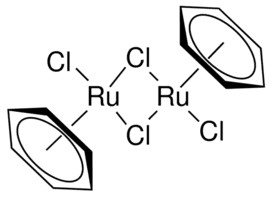
Benzeneruthenium(II) chloride dimer
Ru2(C6H6)2Cl4
Catalysis & Inorganic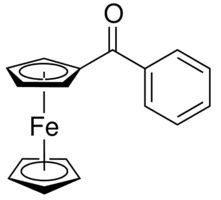
Benzoylferrocene
C17H14FeO
Catalysis & Inorganic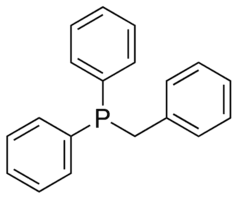
Benzyldiphenylphosphine
C6H5CH2P(C6H5)2
Catalysis & Inorganic
Beryllium
Be
Catalysis & Inorganic
Beryllium oxide
BeO
Catalysis & Inorganic![Bicyclo[2.2.1]hepta-2,5-diene-rhodium(I) chloride dimer — chemical structure, CAS 12257-42-0; Catalysis & Inorganic, fine chemical supplied by Tech Serve Solutions](/_next/image?url=https%3A%2F%2Fpub-f4d920c906024441a773a96f7098e551.r2.dev%2Fimages%2Fproducts%2F12257-42-0.png&w=3840&q=75)
Bicyclo[2.2.1]hepta-2,5-diene-rhodium(I) chloride dimer
Catalysis & Inorganic
![Bis[(10,11-η)-5-[(11bS)-dinaphtho[2,1-d:1′,2′-f][1,3,2]dioxaphosphepin-4-yl- κP4]-5H-dibenz[b,f]azepine]rhodium(I) tetrafluorobo — chemical structure, CAS 1228149-03-8; Catalysis & Inorganic, fine chemical supplied by Tech Serve Solutions](/_next/image?url=https%3A%2F%2Fpub-f4d920c906024441a773a96f7098e551.r2.dev%2Fimages%2Fproducts%2F1228149-03-8.png&w=3840&q=75)
Bis[(10,11-η)-5-[(11bS)-dinaphtho[2,1-d:1′,2′-f][1,3,2]dioxaphosphepin-4-yl- κP4]-5H-dibenz[b,f]azepine]rhodium(I) tetrafluorobo
1-d:1′
Catalysis & Inorganic![Bis[(2-dimethylamino)phenyl]amine nickel(II) chloride (C16H20ClN3Ni) — chemical structure, CAS 1033772-47-2; Catalysis & Inorganic, fine chemical supplied by Tech Serve Solutions](/_next/image?url=https%3A%2F%2Fpub-f4d920c906024441a773a96f7098e551.r2.dev%2Fimages%2Fproducts%2F1033772-47-2.png&w=3840&q=75)
Bis[(2-dimethylamino)phenyl]amine nickel(II) chloride
C16H20ClN3Ni
Catalysis & Inorganic▶ Explore more

Bis(cyclopentadienyl)cobalt(III) hexafluorophosphate
C10H10CoF6P
Catalysis & Inorganic
1-(4-Chlorophenyl)biguanide hydrochloride
ClC6H4NHC(NH)NHC(NH)NH2 · HCl
Chemical Synthesis
Bis(cyclopentadienyl)dimethylzirconium(IV)
Catalysis & Inorganic

1-(4-Chlorophenyl)ethanol
ClC6H4CH(CH3)OH
Chemical Synthesis