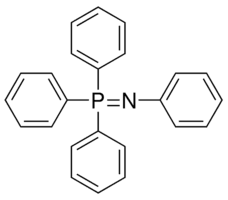
N-(Triphenylphosphoranylidene)aniline
N-(Triphenylphosphoranylidene)aniline (CAS: 2325-27-1), with the linear formula (C6H5)3P=NC6H5 and a molecular weight of 353.40 g/mol, is a key phosphorus-containing organic building block. It is primarily utilised as an intermediate in chemical synthesis, notably in the preparation of isocyanates and isothiocyanates, and features in advanced synthetic methodologies like the Staudinger Ligation.
- IUPAC
- Anilidenetriphenylphosphorane,Tetraphenylphosphine imide
- Synonyms
- AnilidenetriphenylphosphoraneTetraphenylphosphine imide
Staudinger Ligation Reagent
N-(Triphenylphosphoranylidene)aniline is integral to the Staudinger Ligation, a highly efficient and selective method for forming amide bonds under mild conditions. This application highlights its utility in complex organic synthesis.
Isocyanate and Isothiocyanate Synthesis
This compound serves as a crucial intermediate for the preparation of isocyanates and isothiocyanates. These functional groups are vital in the synthesis of various organic compounds, including pharmaceuticals and agrochemicals.
Phosphorus Chemistry Building Block
As a representative organophosphorus compound, it is employed in various organic synthesis pathways requiring the introduction of specific phosphorus functionalities or as a precursor in named reactions.
| Molecular weight | 353.40 |
|---|---|
| Linear formula | (C6H5)3P=NC6H5 |
| Assay | 97% |
| Solubility | chloroform: soluble25 mg/mL, clear to slightly hazy (colorless to brown) |
| Impurities tested | <0.5% denatured ethanol |
| Application | The Staudinger Ligation: A High-Yield, Chemoselective, and Mild Synthetic MethodIntermediate for the preparation of isocyanates and isothiocyanates. |

Hazard statements
- H315Causes skin irritation
- H319Causes serious eye irritation
- H335May cause respiratory irritation
Precautionary statements
- P261Avoid breathing dust, fume, gas or vapours
- P305IF IN EYES
| Protective equipment | dust mask type N95 (US), Eyeshields, Gloves |
|---|---|
| Water hazard class (WGK, DE) | 3 |
| Hazard codes (EU) | Xi |
| Risk statements (R) | 36/37/38 |
| Safety statements (S) | 26-37/39 |
Hazard information is provided for guidance. Always consult the product Safety Data Sheet (SDS), available on request, before handling.
Documentation
Every batch ships with a Certificate of Analysis covering assay, identity and purity; the grade is confirmed against your enquiry. Safety Data Sheets and technical data sheets are available on request.
Supply & logistics
Samples for technical evaluation; bulk MOQ by grade and packaging. In-stock material ships in 7–10 working days, worldwide, with full export documentation.
What is N-(Triphenylphosphoranylidene)aniline used for?
+
N-(Triphenylphosphoranylidene)aniline is used as a key intermediate in the preparation of isocyanates and isothiocyanates, and as a reagent in synthetic organic chemistry, particularly in the Staudinger Ligation.
What are the CAS number and formula for N-(Triphenylphosphoranylidene)aniline?
+
The CAS number for N-(Triphenylphosphoranylidene)aniline is 2325-27-1. The linear formula is (C6H5)3P=NC6H5.
What grade and purity does Tech Serve Solutions supply?
+
Tech Serve Solutions supplies N-(Triphenylphosphoranylidene)aniline with an assay of 97%. This product is not classified as USP, BP, or EP grade.
How should N-(Triphenylphosphoranylidene)aniline be handled safely?
+
Handling requires appropriate personal protective equipment, including a dust mask (N95 type), eyeshields, and gloves, due to hazards including skin irritation, eye irritation, and respiratory irritation (H315, H319, H335).
How is this chemical packed, shipped, or exported?
+
Tech Serve Solutions exports this chemical globally, adhering to all necessary regulations for safe and secure transport of chemical reagents.
How can I request a sample or a quote for N-(Triphenylphosphoranylidene)aniline?
+
You can request a sample or a quote by contacting our sales department through the website or by calling our customer service line.
▶ Related products
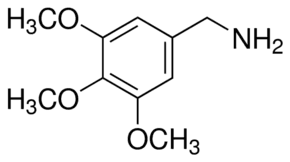
3,4,5-Trimethoxybenzylamine
Organic Building Blocks
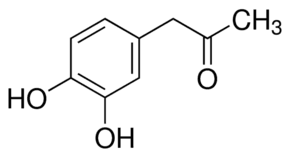
3,4-dihydroxyphenylacetone
Organic Building Blocks
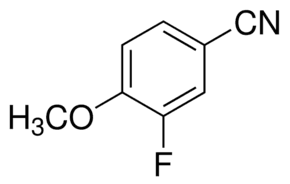
3-Fluoro-4-methoxybenzonitrile
C8H6FNO
Organic Building Blocks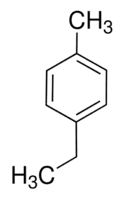
4-Ethyltoluene
C2H5C6H4CH3
Organic Building Blocks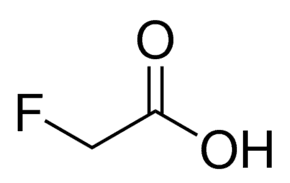
Fluoroacetic acid
C2H3FO2
Organic Building Blocks
Methoxyacetaldehyde
C3H6O2
Organic Building Blocks
Methyl 4-acetamido-5-chloro-2-methoxybenzoate
Organic Building Blocks
Methyl 5-bromo-2-iodobenzoate
BrC6H3(I)CO2CH3
Organic Building Blocks