
Methyl 6-methoxypyridine-2-carboxylate
Methyl 6-methoxypyridine-2-carboxylate (CAS 26256-72-4; C8H9NO3; molar mass 167.16 g/mol) is a substituted pyridine ester supplied as a low-melting solid. Combining a methoxy substituent and a methyl ester on the picolinic acid scaffold, it serves as a versatile heterocyclic building block for organic and medicinal chemistry. Tech Serve Solutions supplies it at 97% assay as a research-grade reagent for laboratory synthesis, screening libraries and process-development work.
- Synonyms
- Methyl 6-methoxypyridine-2-carboxylateMethyl 6-methoxypicolinate6-Methoxypyridine-2-carboxylic acid methyl esterMethyl 6-methoxy-2-pyridinecarboxylate2-Pyridinecarboxylic acid, 6-methoxy-, methyl ester
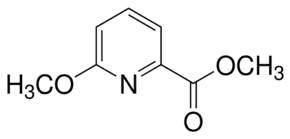
Heterocyclic building block
Used as a functionalised pyridine intermediate in multi-step organic synthesis. The combination of a reactive methyl ester and a methoxy-substituted pyridine ring makes it a convenient scaffold for constructing more complex molecules.
Pharmaceutical and agrochemical research
Employed as a building block in discovery-stage medicinal-chemistry and agrochemical programmes. Substituted picolinate esters of this type are common starting points for preparing candidate compounds.
Ester and amide derivatisation
The methyl ester is readily hydrolysed to the corresponding carboxylic acid or converted to amides and other derivatives, allowing further elaboration of the pyridine core.
Ligand and coordination chemistry
Pyridine carboxylate frameworks are widely used in the preparation of chelating ligands and metal complexes for catalysis and materials research.
Laboratory reagent
Supplied for general research and method-development use where a defined, characterised pyridine building block is required.
| Molecular weight | 167.16 |
|---|---|
| Empirical formula | C8H9NO3 |
| Assay | 97% |
| Melting point | 33-38 °C |


Hazard statements
- H315Causes skin irritation
- H318Causes serious eye damage
- H335May cause respiratory irritation
Precautionary statements
- P261Avoid breathing dust, fume, gas or vapours
- P280Wear protective gloves, clothing and eye/face protection
- P305IF IN EYES
| Protective equipment | dust mask type N95 (US), Eyeshields, Gloves |
|---|---|
| Water hazard class (WGK, DE) | 3 |
| Hazard codes (EU) | Xi |
| Risk statements (R) | 37/38-41 |
| Safety statements (S) | 26-39 |
Hazard information is provided for guidance. Always consult the product Safety Data Sheet (SDS), available on request, before handling.
Documentation
Every batch ships with a Certificate of Analysis covering assay, identity and purity; the grade is confirmed against your enquiry. Safety Data Sheets and technical data sheets are available on request.
Supply & logistics
Samples for technical evaluation; bulk MOQ by grade and packaging. In-stock material ships in 7–10 working days, worldwide, with full export documentation.
What is Methyl 6-methoxypyridine-2-carboxylate used for?
+
It is used mainly as a heterocyclic building block in organic and medicinal chemistry. The reactive methyl ester and methoxy-substituted pyridine ring make it a useful intermediate for synthesising more complex molecules, and it also serves in ligand and coordination chemistry. It is intended for research and laboratory use.
What is the CAS number and molecular formula of Methyl 6-methoxypyridine-2-carboxylate?
+
The CAS number is 26256-72-4 and the molecular formula is C8H9NO3, with a molecular weight of 167.16 g/mol. The MDL number is MFCD07779517 and the PubChem Substance ID is 24885425.
What grade and purity does Tech Serve Solutions supply?
+
Tech Serve Solutions supplies Methyl 6-methoxypyridine-2-carboxylate at a typical assay of 97% as a research/technical-grade reagent for laboratory and synthesis use. We do not represent it as USP, BP or EP pharmacopoeial grade. A certificate of analysis can be provided with each batch on request.
What are the safety and handling requirements?
+
The product is classified under GHS with signal word Danger. It causes skin irritation (H315), causes serious eye damage (H318) and may cause respiratory irritation (H335). Handle with gloves, eye protection and an N95-type dust mask, avoid dust formation, and work with adequate ventilation. In Germany it is assigned water-hazard class WGK 3 (highly hazardous to water), so prevent release to drains and the environment. Always consult the Safety Data Sheet before use.
What is the physical form of Methyl 6-methoxypyridine-2-carboxylate?
+
It is a low-melting solid with a melting point of approximately 33-38 °C, meaning it may soften or melt near ambient temperature in warm conditions. It should be stored cool and well closed.
How is Methyl 6-methoxypyridine-2-carboxylate packed, shipped and exported?
+
It is packed in appropriately labelled containers sized to the order, from gram research quantities to larger laboratory volumes, with secure inner protection. Shipments are dispatched with a Safety Data Sheet and certificate of analysis, and exported worldwide in accordance with applicable transport and customs regulations. Tell us your destination and required quantity and we will confirm packing and lead time.
How do I request a sample or quote?
+
Contact Tech Serve Solutions with the product name, CAS number 26256-72-4 and the quantity and grade you need. We will respond with availability, packing options, documentation and a formal quotation, and can arrange a sample where appropriate.
▶ Related products

4-Amino-2-chloropyridine
C5H5ClN2
Heterocyclic Building Blocks
4-Ethynyl-1-methyl-1H-pyrazole
C6H6N2
Heterocyclic Building Blocks
4-Hydroxyquinoline-3-carboxylic acid ethyl ester
C12H11NO3
Heterocyclic Building Blocks
4-isocyanatopyridine
C6H4N2O
Heterocyclic Building Blocks
5-Chloro-2,8-dimethylquinoline
Heterocyclic Building Blocks

5-Chloro-2-methylene-1,3,3-trimethylindoline
Heterocyclic Building Blocks

5-Chloro-2-thiophenecarbonitrile
Heterocyclic Building Blocks

5-ethynyl-1H-pyrazole
C5H4N2
Heterocyclic Building Blocks▶ Explore more
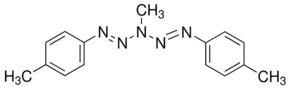
3-Methyl-1,5-di-p-tolyl-1,4-pentazadiene
Chemical Synthesis

3-Methyl-1,5-pentanediol
Chemical Synthesis
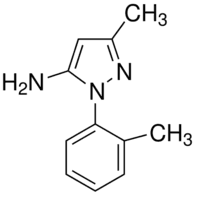
3-Methyl-1-(2-methylphenyl)-1H-pyrazol-5-amine
C11H13N3
Chemical Synthesis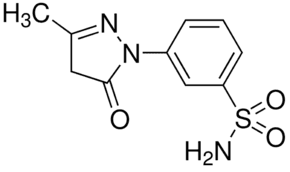
3-Methyl-1-(3′-sulfoamidophenyl)-5-pyrazolone
C10H11N3O3S
Chemical Synthesis