
4-isocyanatopyridine
4-Isocyanatopyridine (CAS 70067-45-7) is a heterocyclic organic building block with the molecular formula C6H4N2O and a molar mass of 120.11 g/mol. It pairs a reactive isocyanate group with a pyridine ring, making it a versatile reagent for chemical synthesis. It is used chiefly to construct ureas, carbamates and related derivatives in pharmaceutical, agrochemical and materials research. Tech Serve Solutions supplies it as a research-grade building block to laboratories and manufacturers worldwide.
- Synonyms
- 4-Isocyanatopyridine4-Pyridyl isocyanatepyridin-4-yl isocyanate4-pyridinyl isocyanateisocyanic acid 4-pyridyl ester

Urea and carbamate synthesis
The isocyanate group reacts readily with amines and alcohols to form pyridyl ureas and carbamates. This makes 4-isocyanatopyridine a convenient reagent for introducing a 4-pyridyl moiety into target molecules.
Pharmaceutical and medicinal-chemistry intermediate
As a heterocyclic building block, it supports the preparation of pyridine-containing intermediates and candidate structures in drug-discovery programmes. Its bifunctional reactivity allows efficient assembly of more complex scaffolds.
Agrochemical research
Pyridine derivatives are common motifs in crop-protection chemistry. 4-Isocyanatopyridine can serve as a starting material for building such derivatives in agrochemical research and development.
Functional materials and polymers
Isocyanates participate in addition and condensation reactions used to prepare ureas, polyureas and related linkages. This reagent can be applied where a pyridine-functionalised isocyanate is required in materials chemistry.
Laboratory reagent and reference material
It is used as a specialty reagent for exploratory synthesis and method development. Researchers value it as a defined C6 heterocyclic building block for route scouting.
| Molecular weight | 120.11 |
|---|---|
| Empirical formula | C6H4N2O |


Hazard statements
- H302Harmful if swallowed
- H317May cause an allergic skin reaction
- H319Causes serious eye irritation
- H331Toxic if inhaled
- H334May cause allergy or asthma symptoms if inhaled
Precautionary statements
- P261Avoid breathing dust, fume, gas or vapours
- P280Wear protective gloves, clothing and eye/face protection
- P305IF IN EYES
- P311Call a POISON CENTER or doctor
| Transport (UN / ADR) | UN 2811 6.1 / PGIII |
|---|---|
| Hazard codes (EU) | T |
| Risk statements (R) | 22-23-36-42/43 |
| Safety statements (S) | 22-26-36/37-45 |
Hazard information is provided for guidance. Always consult the product Safety Data Sheet (SDS), available on request, before handling.
Documentation
Every batch ships with a Certificate of Analysis covering assay, identity and purity; the grade is confirmed against your enquiry. Safety Data Sheets and technical data sheets are available on request.
Supply & logistics
Samples for technical evaluation; bulk MOQ by grade and packaging. In-stock material ships in 7–10 working days, worldwide, with full export documentation.
What is 4-isocyanatopyridine used for?
+
4-Isocyanatopyridine is used mainly as a reactive building block in chemical synthesis. Its isocyanate group reacts with amines and alcohols to form pyridyl ureas and carbamates, supporting pharmaceutical, agrochemical and materials research.
What is the CAS number and molecular formula of 4-isocyanatopyridine?
+
The CAS number is 70067-45-7 and the molecular formula is C6H4N2O (empirical, Hill notation). Its molecular weight is 120.11 g/mol.
What grade and purity does Tech Serve Solutions supply?
+
We supply 4-isocyanatopyridine as a research/technical-grade building block for synthesis and laboratory use. A current specification and certificate of analysis are provided with each batch. We do not represent it as a USP, BP or EP pharmacopoeial grade.
What are the safety hazards of 4-isocyanatopyridine?
+
It is classified as Danger (GHS06, GHS08). It is harmful if swallowed (H302) and toxic if inhaled (H331), may cause an allergic skin reaction (H317) and serious eye irritation (H319), and may cause allergy or asthma symptoms or breathing difficulties if inhaled (H334). Use local exhaust ventilation, avoid breathing dust or vapour, wear suitable gloves and eye protection, and consult the Safety Data Sheet before handling.
How is 4-isocyanatopyridine packed, shipped and exported?
+
It is packed in appropriately sealed, labelled containers sized to your requirement. For transport it is classified under UN 2811, Class 6.1, Packing Group III, and is shipped as dangerous goods with full documentation in line with applicable regulations. Export shipments include the relevant SDS and certificate of analysis.
How do I request a sample or quote?
+
Contact Tech Serve Solutions with your required quantity, packaging and destination, and we will respond with availability, lead time and a formal quotation. Samples can be arranged for qualified research and commercial enquiries.
▶ Related products

4-Amino-2-chloropyridine
C5H5ClN2
Heterocyclic Building Blocks
4-Ethynyl-1-methyl-1H-pyrazole
C6H6N2
Heterocyclic Building Blocks
4-Hydroxyquinoline-3-carboxylic acid ethyl ester
C12H11NO3
Heterocyclic Building Blocks
5-Chloro-2,8-dimethylquinoline
Heterocyclic Building Blocks

5-Chloro-2-methylene-1,3,3-trimethylindoline
Heterocyclic Building Blocks

5-Chloro-2-thiophenecarbonitrile
Heterocyclic Building Blocks

5-ethynyl-1H-pyrazole
C5H4N2
Heterocyclic Building Blocks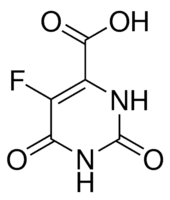
5-fluoroorotic acid
C5H3FN2O4
Heterocyclic Building Blocks▶ Explore more

Bis(cyclopentadienyl)cobalt(III) hexafluorophosphate
C10H10CoF6P
Catalysis & Inorganic
1-(4-Chlorophenyl)biguanide hydrochloride
ClC6H4NHC(NH)NHC(NH)NH2 · HCl
Chemical Synthesis
Bis(cyclopentadienyl)dimethylzirconium(IV)
Catalysis & Inorganic

1-(4-Chlorophenyl)ethanol
ClC6H4CH(CH3)OH
Chemical Synthesis