
Trichloroacetic acid
Trichloroacetic acid (CAS 76-03-9), with the linear formula Cl₃CCOOH and a molecular weight of 163.39 g/mol, is a strong carboxylic acid. It is a colourless solid with a characteristic pungent odour. It is primarily employed in biochemical applications for protein precipitation and determination, as well as in microscopy for decalcification and fixation. Its ACS reagent grade ensures high purity for analytical and research purposes.
- IUPAC
- TCA
- Synonyms
- TCA

Protein Precipitation and Analysis
Trichloroacetic acid is historically significant for its use in precipitating proteins from solutions, allowing for their isolation and subsequent analysis. It is also employed in quantitative methods for determining protein concentration.
Microscopy Fixative and Decalcifier
In microscopy, trichloroacetic acid serves as an effective fixative, preserving cellular structures. It is also utilised as a decalcifying agent to remove calcium salts from tissues before further processing.
Biochemical Reagent
As a biochemical reagent, it finds application in various laboratory procedures. Its suitability for preparing fixing solutions for isoelectric focusing (IEF) and polyacrylamide gel electrophoresis (PAGE) highlights its utility in molecular biology.
| Molecular weight | 163.39 |
|---|---|
| Linear formula | Cl3CCOOH |
| Assay | ≥99.0% |
| Grade | ACS reagent |
| Boiling point | 196 °C(lit.) |
| Density | 1.62 g/mL at 25 °C(lit.) |
| Refractive index | n20/D 1.62(lit.) |
| Melting point | 54-58 °C(lit.) |
| Concentration | 3 % (w/v) in methylene chloride |
| Vapour pressure | 1 mmHg (51 °C) |
| Vapour density | <1 (vs air) |
| Storage temperature | 2-8°C |
| Impurities tested | Substances darkened by sulfuric acid, passes test≤0.01% insoluble matter |
| Application | Traditionally used to precipitate protein. Has been used to determine protein concentration by quantitative precipitation. Used as decalcifier and fixative in microscopy. |
| Suitability | suitable for fixing solution (for IEF and PAGE gels) |


Hazard statements
- H314Causes severe skin burns and eye damage
- H410Very toxic to aquatic life with long-lasting effects
Precautionary statements
- P273Avoid release to the environment
- P280Wear protective gloves, clothing and eye/face protection
- P305IF IN EYES
- P310Immediately call a POISON CENTER or doctor
- P501Dispose of contents and container per local regulations
| Protective equipment | Eyeshields, Faceshields, full-face particle respirator type N100 (US), Gloves, respirator cartridge type N100 (US), type P1 (EN143) respirator filter, type P3 (EN 143) respirator cartridges |
|---|---|
| Flash point | >113 °C / >235.4 °F |
| Transport (UN / ADR) | UN 1839 8 / PGII |
| Water hazard class (WGK, DE) | 2 |
| Hazard codes (EU) | C,N |
| Risk statements (R) | 35-50/53 |
| Safety statements (S) | 26-36/37/39-45-60-61 |
| Cation traces | Fe: ≤0.001%heavy metals (as Pb): ≤0.002% |
| Anion traces | chloride (Cl-): ≤0.002%nitrate (NO3-): ≤0.002%phosphate (PO43-): ≤5 ppmsulfate (SO42-): ≤0.02% |
| Ignition residue | ≤0.03% |
Hazard information is provided for guidance. Always consult the product Safety Data Sheet (SDS), available on request, before handling.
| Turbidity | ≤3 NTU (1 g/ml) |
|---|
Documentation
Every batch ships with a Certificate of Analysis covering assay, identity and purity; the grade is confirmed against your enquiry. Safety Data Sheets and technical data sheets are available on request.
Supply & logistics
Samples for technical evaluation; bulk MOQ by grade and packaging. In-stock material ships in 7–10 working days, worldwide, with full export documentation.
What is Trichloroacetic Acid used for?
+
Trichloroacetic acid (CAS 76-03-9) is primarily used for protein precipitation and determination, as a fixative and decalcifier in microscopy, and as a biochemical reagent. It is particularly suitable for preparing fixing solutions for IEF and PAGE gels.
What is the CAS number and formula for Trichloroacetic Acid?
+
The CAS number for Trichloroacetic Acid is 76-03-9, and its linear formula is Cl₃CCOOH.
What grade and purity does Tech Serve Solutions supply?
+
Tech Serve Solutions supplies Trichloroacetic Acid in ACS reagent grade with an assay of ≥99.0%. We do not represent this product as USP, BP, or EP grade unless explicitly stated in the product data.
How should Trichloroacetic Acid be handled safely?
+
Trichloroacetic acid is a corrosive substance (H314) and toxic to aquatic life with long-lasting effects (H410). Handle with appropriate personal protective equipment, including eyeshields, gloves, and respiratory protection (e.g., type P3 filter). Ensure adequate ventilation and avoid release into the environment.
How is Trichloroacetic Acid packed and exported?
+
Trichloroacetic acid is packed according to UN 1839, Hazard Class 8, Packing Group II regulations. Tech Serve Solutions expertly handles the export of chemicals globally.
How can I request a sample or quote for Trichloroacetic Acid?
+
To request a sample or obtain a quote for Trichloroacetic Acid, please contact our sales team via the website or by phone. Our specialists will assist you promptly.
▶ Related products

5-Sulfosalicylic acid dihydrate
HO3SC6H3-2-(OH)CO2H 2H2O
Acids & Bases
Calcium hydroxide
Ca(OH)2
Acids & Bases
Acetic acid-12C2
12CH312CO2H
Acids & Bases
Acetic acid-13C2
13CH313CO2H
Acids & Bases
Acetic acid-13C2,d4
Acids & Bases

Acetic acid-17O2
CH3C17O2H
Acids & Bases
Acetic acid-18O2
CH3C18O2H
Acids & Bases
Acetic acid-2,2,2-d3
2-d3
Acids & Bases▶ Explore more
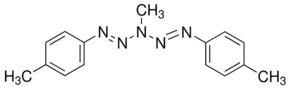
3-Methyl-1,5-di-p-tolyl-1,4-pentazadiene
Chemical Synthesis

3-Methyl-1,5-pentanediol
Chemical Synthesis
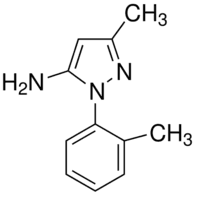
3-Methyl-1-(2-methylphenyl)-1H-pyrazol-5-amine
C11H13N3
Chemical Synthesis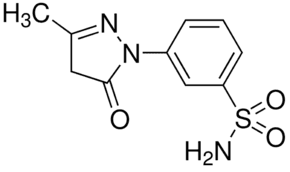
3-Methyl-1-(3′-sulfoamidophenyl)-5-pyrazolone
C10H11N3O3S
Chemical Synthesis