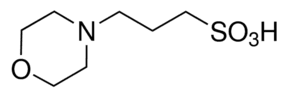
MOPS
MOPS (CAS: 1132-61-2), with the empirical formula C7H15NO4S and a molecular weight of 209.26 g/mol, is a zwitterionic organic chemical compound. It is primarily utilised as a biological buffer due to its effective buffering capacity in the pH range of 6.5 to 7.9. MOPS finds application in various biological and biochemical studies, including electron transport investigations and cell culture media.
- IUPAC
- 3-(N-Morpholino)propanesulfonic acid,4-Morpholinepropanesulfonic acid
- Synonyms
- 3-(N-Morpholino)propanesulfonic acid4-Morpholinepropanesulfonic acid
Electron Transport Studies
Satisfactory for studies involving electron transport and phosphorylation within chloroplast lamella preparations. This application leverages MOPS's buffering properties to maintain stable conditions for these sensitive biological processes.
Microbial Fermentation
Serves as a non-toxic buffering system for the extensive growth of microorganisms like *Streptomyces clavuligerus*. It is particularly useful in chemically defined media for cephalosporin production, ensuring optimal pH for cultivation and biosynthesis.
Electrophoresis Applications
Functions as a component of the electrolyte system in two-dimensional (2-D) gel electrophoresis. Its zwitterionic nature aids in the precise separation of proteins based on their charge and molecular weight.
| Molecular weight | 209.26 |
|---|---|
| Empirical formula | C7H15NO4S |
| Assay | ≥99.5% (T) |
| Solubility | H2O: soluble1 M at 20 °C, clear, colorless |
| pH | 2.5-4.0 (25 °C, 1 M in H2O) |
| Loss on drying | ≤1% loss on drying, 110 °C |
| Impurities tested | DNases, none detectedRNases, none detectedinsoluble matter, passes filter testphosphatases, none detectedproteases, none detected |
| Application | Satisfactory for electron transport studies and phosphorylation in chloroplast lamella preparations1; non-toxic buffering system for the extensive growth of Streptomyces clavuligerus and cephalosporin production, in a chemically defined medium2; electrolyte system component for the IEF of 2-D gel electrophoresis3 |

Hazard statements
- H315Causes skin irritation
- H319Causes serious eye irritation
- H335May cause respiratory irritation
Precautionary statements
- P261Avoid breathing dust, fume, gas or vapours
- P305IF IN EYES
| Protective equipment | dust mask type N95 (US), Eyeshields, Gloves |
|---|---|
| Flash point | 110 °C / 230 °F |
| Water hazard class (WGK, DE) | 1 |
| Hazard codes (EU) | Xi |
| Risk statements (R) | 36/37/38 |
| Safety statements (S) | 26-36 |
| Anion traces | chloride (Cl-): ≤50 mg/kgsulfate (SO42-): ≤50 mg/kg |
| Ignition residue | ≤0.1% (as SO4) |
Hazard information is provided for guidance. Always consult the product Safety Data Sheet (SDS), available on request, before handling.
| Uv Absorption | λ: 260 nm Amax: 0.020λ: 280 nm Amax: 0.015 |
|---|---|
| Useful Ph Range | 6.5 - 7.9 |
Documentation
Every batch ships with a Certificate of Analysis covering assay, identity and purity; the grade is confirmed against your enquiry. Safety Data Sheets and technical data sheets are available on request.
Supply & logistics
Samples for technical evaluation; bulk MOQ by grade and packaging. In-stock material ships in 7–10 working days, worldwide, with full export documentation.
What is MOPS used for?
+
MOPS is primarily used as a biological buffer in the pH range of 6.5-7.9 for various biochemical and biological applications. It is suitable for electron transport studies, microbial fermentation (e.g., cephalosporin production), and as an electrolyte component in 2-D gel electrophoresis.
What are the CAS number and formula for MOPS?
+
The CAS number for MOPS is 1132-61-2, and its empirical formula is C7H15NO4S.
What grade and purity does Tech Serve Solutions supply?
+
Tech Serve Solutions supplies MOPS with an assay of ≥99.5% (T). TSS does not represent this product as USP, BP, EP, or any pharmacopoeia grade unless explicitly stated otherwise in the product documentation.
How should MOPS be handled safely?
+
MOPS is classified as a warning substance with hazards including skin irritation (H315), eye irritation (H319), and respiratory irritation (H335). Appropriate personal protective equipment, including a dust mask (N95), eyeshields, and gloves, should be used. Handle in a well-ventilated area and avoid breathing dust.
How is MOPS packed and shipped?
+
MOPS is carefully packed to ensure product integrity during domestic and international shipment. Tech Serve Solutions is a specialist global supplier and exporter of fine chemicals.
How can I request a sample or quote for MOPS?
+
To request a sample or a quotation for MOPS, please contact our sales team through the website or by calling our customer service number.
▶ Related products
![(±)-(E)-4-Ethyl-2-[(E)-hydroxyimino]-5-nitro-3-hexenamide (C8H13N3O4) — chemical structure, CAS 138472-01-2; Biochemicals & Reagents, fine chemical supplied by Tech Serve Solutions](/_next/image?url=https%3A%2F%2Fpub-f4d920c906024441a773a96f7098e551.r2.dev%2Fimages%2Fproducts%2F138472-01-2.png&w=3840&q=75)
(±)-(E)-4-Ethyl-2-[(E)-hydroxyimino]-5-nitro-3-hexenamide
C8H13N3O4
Biochemicals & Reagents![(±)-(E)-4-Ethyl-2-[(Z)-hydroxyimino]-5-nitro-3-hexen-1-yl-nicotinamide (C14H18N4O4) — chemical structure, CAS 162626-99-5; Biochemicals & Reagents, fine chemical supplied by Tech Serve Solutions](/_next/image?url=https%3A%2F%2Fpub-f4d920c906024441a773a96f7098e551.r2.dev%2Fimages%2Fproducts%2F162626-99-5.png&w=3840&q=75)
(±)-(E)-4-Ethyl-2-[(Z)-hydroxyimino]-5-nitro-3-hexen-1-yl-nicotinamide
C14H18N4O4
Biochemicals & Reagents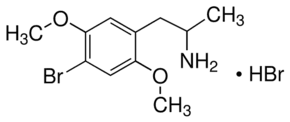
(±)-2,5-Dimethoxy-4-bromoamphetamine hydrobromide
Biochemicals & Reagents
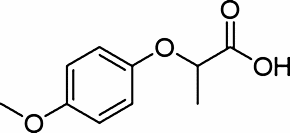
(±)-2-(p-Methoxyphenoxy)propionic acid
C10H12O4
Biochemicals & Reagents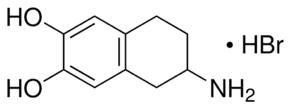
(±)-2-Amino-6,7-dihydroxy-1,2,3,4-tetrahydronaphthalene hydrobromide
C10H13NO2·HBr
Biochemicals & Reagents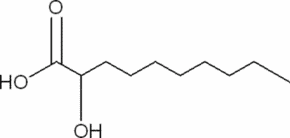
(±)-2-Hydroxydecanoic acid
C10H20O3
Biochemicals & Reagents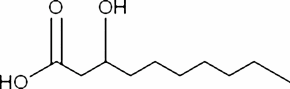
(±)-3-Hydroxydecanoic acid
C10H20O3
Biochemicals & Reagents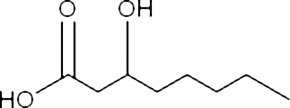
(±)-3-Hydroxyoctanoic acid
C8H16O3
Biochemicals & Reagents