
5-Chloro-2′-deoxyuridine
5-Chloro-2′-deoxyuridine (CAS: 50-90-8; C9H11ClN2O5) is a synthetic nucleoside analogue of thymidine. With a molecular weight of 262.65 g/mol, it is primarily utilised in biochemical research as a tool to study DNA damage and replication. Its structural similarity to natural DNA components allows it to be incorporated into DNA, enabling researchers to investigate processes like DNA repair and cell proliferation, particularly in response to specific chemical insults.
- IUPAC
- CldU

DNA Replication Studies
5-Chloro-2′-deoxyuridine serves as a thymidine analogue for investigating DNA replication. Its incorporation into newly synthesised DNA can be detected, identifying sites of active DNA synthesis in cellular and molecular biology research.
DNA Damage and Repair Research
This compound is employed to study the effects of DNA-damaging agents, such as hypochlorous acid. By analysing how 5-Chloro-2′-deoxyuridine incorporation is affected or how it aids in detecting DNA precursor damage, researchers can elucidate DNA repair mechanisms.
Biochemical and Cellular Assays
As a nucleoside analog, 5-Chloro-2′-deoxyuridine finds application in various biochemical assays and cell-based studies. It can be used in protocols requiring the labelling of DNA with halogenated nucleosides, often in conjunction with other analogs like iododeoxyuridine.
| Molecular weight | 262.65 |
|---|---|
| Empirical formula | C9H11ClN2O5 |
| Storage temperature | −20°C |
| Application | 5-Chloro-2′-deoxyuridine (CldU) is used as a thymidine analogue to study the miscoding potential of hypochlorous acid damage to DNA and DNA precursors. When used with antibody based immunofluorescent imaging, 5-Chloro-2′-deoxyuridine incorporation may be used in protocols to identify sites of DNA replication. CldU may be used as a labeling substrate in conjunction with other halogenated uridine labeling substrates such as iododeoxyuridine (IdU). |


Hazard statements
- H302Harmful if swallowed
- H312Harmful in contact with skin
- H332Harmful if inhaled
- H351Suspected of causing cancer
Precautionary statements
- P280Wear protective gloves, clothing and eye/face protection
| Protective equipment | dust mask type N95 (US), Eyeshields, Gloves |
|---|---|
| Water hazard class (WGK, DE) | 3 |
| Hazard codes (EU) | Xn |
| Risk statements (R) | 20/21/22-40 |
| Safety statements (S) | 36/37/39-45 |
Hazard information is provided for guidance. Always consult the product Safety Data Sheet (SDS), available on request, before handling.
Documentation
Every batch ships with a Certificate of Analysis covering assay, identity and purity; the grade is confirmed against your enquiry. Safety Data Sheets and technical data sheets are available on request.
Supply & logistics
Samples for technical evaluation; bulk MOQ by grade and packaging. In-stock material ships in 7–10 working days, worldwide, with full export documentation.
What is 5-Chloro-2′-deoxyuridine used for?
+
5-Chloro-2′-deoxyuridine is used in research to study DNA replication, DNA damage, and DNA precursor miscoding. It functions as a thymidine analogue, enabling the identification of DNA synthesis sites and the investigation of cellular responses to chemical damage.
What is the CAS number and chemical formula for 5-Chloro-2′-deoxyuridine?
+
The CAS number for 5-Chloro-2′-deoxyuridine is 50-90-8, and its chemical formula is C9H11ClN2O5.
What grade and purity does Tech Serve Solutions supply?
+
Tech Serve Solutions supplies 5-Chloro-2′-deoxyuridine as a research-grade chemical. The specific purity is not detailed beyond its intended use in research applications; TSS does not represent this product as USP, BP, or EP grade.
How should 5-Chloro-2′-deoxyuridine be handled safely?
+
5-Chloro-2′-deoxyuridine is classified with GHS07 and GHS08 symbols and a 'Warning' signal word. It carries hazard statements H302, H312, H332, and H351, indicating it is harmful if swallowed, in contact with skin, or if inhaled, and is suspected of causing cancer. Appropriate personal protective equipment, including a dust mask (type N95 US), eyeshields, and gloves, is essential. Always handle in a well-ventilated area or fume hood, following strict laboratory safety protocols.
Is 5-Chloro-2′-deoxyuridine a controlled substance?
+
The provided data does not indicate that 5-Chloro-2′-deoxyuridine is a controlled or scheduled substance.
How is 5-Chloro-2′-deoxyuridine packed and exported?
+
As a specialist global supplier, Tech Serve Solutions ensures secure and compliant packing for export of chemicals like 5-Chloro-2′-deoxyuridine, adhering to international shipping regulations.
How can I request a sample or quote for 5-Chloro-2′-deoxyuridine?
+
To request a sample or a quote for 5-Chloro-2′-deoxyuridine, please contact the Tech Serve Solutions sales team through the official website or designated inquiry channels.
▶ Related products
![(±)-(E)-4-Ethyl-2-[(E)-hydroxyimino]-5-nitro-3-hexenamide (C8H13N3O4) — chemical structure, CAS 138472-01-2; Biochemicals & Reagents, fine chemical supplied by Tech Serve Solutions](/_next/image?url=https%3A%2F%2Fpub-f4d920c906024441a773a96f7098e551.r2.dev%2Fimages%2Fproducts%2F138472-01-2.png&w=3840&q=75)
(±)-(E)-4-Ethyl-2-[(E)-hydroxyimino]-5-nitro-3-hexenamide
C8H13N3O4
Biochemicals & Reagents![(±)-(E)-4-Ethyl-2-[(Z)-hydroxyimino]-5-nitro-3-hexen-1-yl-nicotinamide (C14H18N4O4) — chemical structure, CAS 162626-99-5; Biochemicals & Reagents, fine chemical supplied by Tech Serve Solutions](/_next/image?url=https%3A%2F%2Fpub-f4d920c906024441a773a96f7098e551.r2.dev%2Fimages%2Fproducts%2F162626-99-5.png&w=3840&q=75)
(±)-(E)-4-Ethyl-2-[(Z)-hydroxyimino]-5-nitro-3-hexen-1-yl-nicotinamide
C14H18N4O4
Biochemicals & Reagents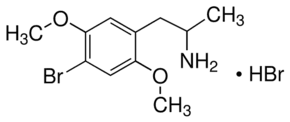
(±)-2,5-Dimethoxy-4-bromoamphetamine hydrobromide
Biochemicals & Reagents
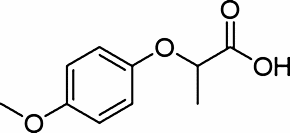
(±)-2-(p-Methoxyphenoxy)propionic acid
C10H12O4
Biochemicals & Reagents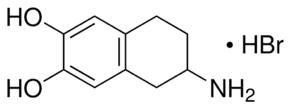
(±)-2-Amino-6,7-dihydroxy-1,2,3,4-tetrahydronaphthalene hydrobromide
C10H13NO2·HBr
Biochemicals & Reagents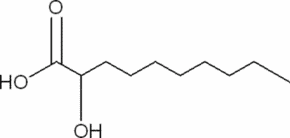
(±)-2-Hydroxydecanoic acid
C10H20O3
Biochemicals & Reagents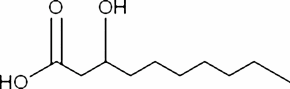
(±)-3-Hydroxydecanoic acid
C10H20O3
Biochemicals & Reagents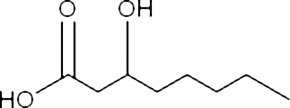
(±)-3-Hydroxyoctanoic acid
C8H16O3
Biochemicals & Reagents▶ Explore more

Bis(cyclopentadienyl)cobalt(III) hexafluorophosphate
C10H10CoF6P
Catalysis & Inorganic
1-(4-Chlorophenyl)biguanide hydrochloride
ClC6H4NHC(NH)NHC(NH)NH2 · HCl
Chemical Synthesis
Bis(cyclopentadienyl)dimethylzirconium(IV)
Catalysis & Inorganic

1-(4-Chlorophenyl)ethanol
ClC6H4CH(CH3)OH
Chemical Synthesis