
Tunicamycin from Streptomyces sp.
Tunicamycin from Streptomyces sp. (CAS: 11089-65-9) is a potent inhibitor of glycosylation, crucial for studying cellular processes. It specifically targets the enzyme UDP-glucose:dolichol phosphate glucosyltransferase, disrupting the first step in N-linked glycosylation. This makes it invaluable for research into protein modification, cell signalling, and viral replication mechanisms. Tech Serve Solutions supplies this high-quality reagent for advanced biochemical and cell biology applications.
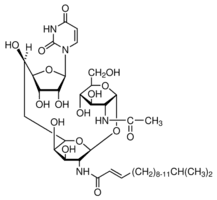
Inhibition of N-linked Glycosylation
Tunicamycin is widely used as a research tool to inhibit the formation of N-linked glycoproteins. This allows researchers to investigate the role of glycosylation in protein folding, stability, and function.
Cell Signaling and Neuroscience Research
By blocking glycosylation, tunicamycin can modulate cell signalling pathways and is employed in neuroscience research to understand the effects of altered protein modification on neuronal function.
Antiviral and Antibacterial Studies
Tunicamycin has been utilised in studies examining viral entry and replication, as well as in investigations into antibacterial mechanisms, due to its interference with essential cellular processes.
Study of Membrane Protein Function
Its ability to inhibit glycosylation makes tunicamycin useful for characterising the function and trafficking of membrane proteins, particularly those dependent on proper glycosylation for their activity.
| Solubility | methanol: soluble4.9-5.1 mg/mL, clear to slightly hazy, colorless to yellowmethanol: soluble4.9-5.1 mg/mL95% ethanol: soluble1 mg/mL, clear to faintly hazyTHF: soluble dioxane: soluble DMF: soluble >10 mg/mLDMSO: soluble10 mg/mL, clearpyridine: >10 mg/mLacetone: insolubleaqueous base: insolublechloroform: insolubleethyl acetate: insoluble |
|---|---|
| Storage temperature | 2-8°C |
| Application | Tunicamycin has been used to study the effect of N-linked glycosylation of human proton-coupled folate transporter (HsPCFT) in HeLa cells1. Tunicamycin has also been used to study the functional effects of coxsackievirus and adenovirus receptor (CAR) glycosylation in COS-7 cells2. |

Hazard statements
- H300Fatal if swallowed
Precautionary statements
- P264Wash thoroughly after handling
- P301IF SWALLOWED
| Protective equipment | Eyeshields, Faceshields, full-face particle respirator type N100 (US), Gloves, respirator cartridge type N100 (US), type P1 (EN143) respirator filter, type P3 (EN 143) respirator cartridges |
|---|---|
| Transport (UN / ADR) | UN 3462 6.1 / PGII |
| Water hazard class (WGK, DE) | 3 |
| Hazard codes (EU) | T+ |
| Risk statements (R) | 28 |
| Safety statements (S) | 28-37/39-45 |
Hazard information is provided for guidance. Always consult the product Safety Data Sheet (SDS), available on request, before handling.
| Quality Level | PREMIUM |
|---|
Documentation
Every batch ships with a Certificate of Analysis covering assay, identity and purity; the grade is confirmed against your enquiry. Safety Data Sheets and technical data sheets are available on request.
Supply & logistics
Samples for technical evaluation; bulk MOQ by grade and packaging. In-stock material ships in 7–10 working days, worldwide, with full export documentation.
What is Tunicamycin used for?
+
Tunicamycin is used in research to inhibit N-linked glycosylation, study cell signalling, investigate viral replication, and examine membrane protein function. It is a valuable tool in biochemical and cell biology research.
What is the CAS number and formula for Tunicamycin?
+
The CAS number for Tunicamycin is 11089-65-9. The chemical formula is not provided in the product data.
What grade and purity does Tech Serve Solutions supply?
+
Tech Serve Solutions supplies Tunicamycin at PREMIUM quality. The assay is not explicitly stated, and TSS does not represent it as USP, BP, or EP grade. It is intended for research and laboratory use.
How should Tunicamycin be handled safely?
+
Tunicamycin is acutely toxic if swallowed (H300) and requires careful handling. Use appropriate personal protective equipment, including eyeshields, gloves, and a suitable respirator. Handle only in a well-ventilated area. Refer to the Safety Data Sheet for full handling instructions.
How is Tunicamycin packed, shipped, and exported?
+
Tunicamycin is typically stored at 2-8°C. Shipping and export details are handled according to international regulations for hazardous materials (UN 3462 6.1 / PGII). Please contact TSS for specific logistical information.
How can I request a sample or quote for Tunicamycin?
+
To request a sample or quote for Tunicamycin, please contact the Tech Serve Solutions sales team through our website or by phone. Provide the product name and CAS number (11089-65-9) for prompt service.
▶ Related products
![(±)-(E)-4-Ethyl-2-[(E)-hydroxyimino]-5-nitro-3-hexenamide (C8H13N3O4) — chemical structure, CAS 138472-01-2; Biochemicals & Reagents, fine chemical supplied by Tech Serve Solutions](/_next/image?url=https%3A%2F%2Fpub-f4d920c906024441a773a96f7098e551.r2.dev%2Fimages%2Fproducts%2F138472-01-2.png&w=3840&q=75)
(±)-(E)-4-Ethyl-2-[(E)-hydroxyimino]-5-nitro-3-hexenamide
C8H13N3O4
Biochemicals & Reagents![(±)-(E)-4-Ethyl-2-[(Z)-hydroxyimino]-5-nitro-3-hexen-1-yl-nicotinamide (C14H18N4O4) — chemical structure, CAS 162626-99-5; Biochemicals & Reagents, fine chemical supplied by Tech Serve Solutions](/_next/image?url=https%3A%2F%2Fpub-f4d920c906024441a773a96f7098e551.r2.dev%2Fimages%2Fproducts%2F162626-99-5.png&w=3840&q=75)
(±)-(E)-4-Ethyl-2-[(Z)-hydroxyimino]-5-nitro-3-hexen-1-yl-nicotinamide
C14H18N4O4
Biochemicals & Reagents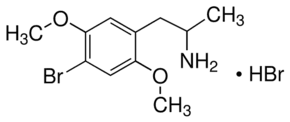
(±)-2,5-Dimethoxy-4-bromoamphetamine hydrobromide
Biochemicals & Reagents
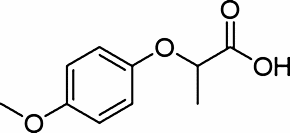
(±)-2-(p-Methoxyphenoxy)propionic acid
C10H12O4
Biochemicals & Reagents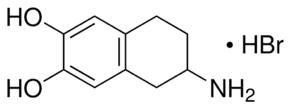
(±)-2-Amino-6,7-dihydroxy-1,2,3,4-tetrahydronaphthalene hydrobromide
C10H13NO2·HBr
Biochemicals & Reagents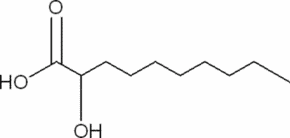
(±)-2-Hydroxydecanoic acid
C10H20O3
Biochemicals & Reagents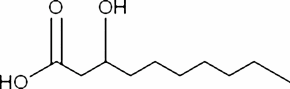
(±)-3-Hydroxydecanoic acid
C10H20O3
Biochemicals & Reagents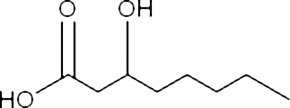
(±)-3-Hydroxyoctanoic acid
C8H16O3
Biochemicals & Reagents▶ Explore more

Bis(cyclopentadienyl)cobalt(III) hexafluorophosphate
C10H10CoF6P
Catalysis & Inorganic
1-(4-Chlorophenyl)biguanide hydrochloride
ClC6H4NHC(NH)NHC(NH)NH2 · HCl
Chemical Synthesis
Bis(cyclopentadienyl)dimethylzirconium(IV)
Catalysis & Inorganic

1-(4-Chlorophenyl)ethanol
ClC6H4CH(CH3)OH
Chemical Synthesis