
Thapsigargin
Thapsigargin (CAS: 67526-95-8; C34H50O12) is a potent and selective inhibitor of the sarcoplasmic/endoplasmic reticulum Ca2+-ATPase (SERCA) pump. This natural product, isolated from the plant Thapsia garganica, is widely used as a research tool to induce endoplasmic reticulum stress. Its ability to deplete intracellular calcium stores makes it invaluable in studies of cell signalling, autophagy, and apoptosis, particularly in cancer research.

Endoplasmic Reticulum Stress Induction
Thapsigargin is a key reagent for inducing endoplasmic reticulum (ER) stress in experimental models. By inhibiting the SERCA pump, it causes calcium depletion from the ER lumen, triggering the unfolded protein response (UPR).
Cellular Signalling Research
Its mechanism of action, impacting intracellular calcium homeostasis, makes thapsigargin a valuable tool for investigating calcium-dependent signalling pathways in various cell types.
Autophagy and Apoptosis Studies
As an inducer of ER stress, thapsigargin is frequently employed in research to study the intricate mechanisms of autophagy initiation and the induction of programmed cell death (apoptosis).
Cancer Research Tool
Thapsigargin's effects on cellular stress and survival pathways are leveraged in cancer research to explore potential therapeutic strategies targeting cancer cell proliferation and survival.
| Molecular weight | 650.75 |
|---|---|
| Empirical formula | C34H50O12 |
| Assay | ≥98% (HPLC) |
| Form | solid film |
| Solubility | acetonitrile: soluble9.80 - 10.20 mg/mLDMSO: solubleethanol: soluble |
| Storage temperature | −20°C |


Hazard statements
- H315Causes skin irritation
- H319Causes serious eye irritation
- H334May cause allergy or asthma symptoms if inhaled
- H335May cause respiratory irritation
Precautionary statements
- P261Avoid breathing dust, fume, gas or vapours
- P305IF IN EYES
- P342
| Protective equipment | dust mask type N95 (US), Eyeshields, Faceshields, Gloves |
|---|---|
| Transport (UN / ADR) | UN 2811 6.1 / PGII |
| Water hazard class (WGK, DE) | 3 |
| Hazard codes (EU) | Xn |
| Risk statements (R) | 36/37/38-42 |
| Safety statements (S) | 26-36/37/39 |
Hazard information is provided for guidance. Always consult the product Safety Data Sheet (SDS), available on request, before handling.
| Quality Level | PREMIUM |
|---|
Documentation
Every batch ships with a Certificate of Analysis covering assay, identity and purity; the grade is confirmed against your enquiry. Safety Data Sheets and technical data sheets are available on request.
Supply & logistics
Samples for technical evaluation; bulk MOQ by grade and packaging. In-stock material ships in 7–10 working days, worldwide, with full export documentation.
What is Thapsigargin used for?
+
Thapsigargin is primarily used in research settings to induce endoplasmic reticulum stress and study its effects on calcium homeostasis, cell signalling, autophagy, apoptosis, and cancer biology.
What are the CAS number and formula for Thapsigargin?
+
The CAS number for Thapsigargin is 67526-95-8, and its molecular formula is C34H50O12.
What grade and purity does Tech Serve Solutions supply?
+
Tech Serve Solutions supplies Thapsigargin at a PREMIUM quality level with an assay of ≥98% (HPLC). We do not represent this product as USP, BP, or EP grade.
How should Thapsigargin be handled and stored safely?
+
Thapsigargin is a Danger substance (H315, H319, H334, H335). Handle with appropriate personal protective equipment including a dust mask (N95), eyeshields, face shield, and gloves. Avoid dust formation and inhalation. Store at -20°C.
Is Thapsigargin a controlled substance?
+
The provided data does not indicate that Thapsigargin is a controlled substance.
How is Thapsigargin shipped?
+
Thapsigargin is classified for transport under UN 2811, Hazard Class 6.1, Packing Group II.
How can I request a sample or quote for Thapsigargin?
+
To request a sample or a quotation for Thapsigargin, please contact our sales team via the website or your usual sales representative.
▶ Related products
![(±)-(E)-4-Ethyl-2-[(E)-hydroxyimino]-5-nitro-3-hexenamide (C8H13N3O4) — chemical structure, CAS 138472-01-2; Biochemicals & Reagents, fine chemical supplied by Tech Serve Solutions](/_next/image?url=https%3A%2F%2Fpub-f4d920c906024441a773a96f7098e551.r2.dev%2Fimages%2Fproducts%2F138472-01-2.png&w=3840&q=75)
(±)-(E)-4-Ethyl-2-[(E)-hydroxyimino]-5-nitro-3-hexenamide
C8H13N3O4
Biochemicals & Reagents![(±)-(E)-4-Ethyl-2-[(Z)-hydroxyimino]-5-nitro-3-hexen-1-yl-nicotinamide (C14H18N4O4) — chemical structure, CAS 162626-99-5; Biochemicals & Reagents, fine chemical supplied by Tech Serve Solutions](/_next/image?url=https%3A%2F%2Fpub-f4d920c906024441a773a96f7098e551.r2.dev%2Fimages%2Fproducts%2F162626-99-5.png&w=3840&q=75)
(±)-(E)-4-Ethyl-2-[(Z)-hydroxyimino]-5-nitro-3-hexen-1-yl-nicotinamide
C14H18N4O4
Biochemicals & Reagents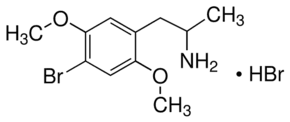
(±)-2,5-Dimethoxy-4-bromoamphetamine hydrobromide
Biochemicals & Reagents
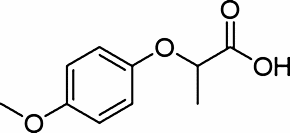
(±)-2-(p-Methoxyphenoxy)propionic acid
C10H12O4
Biochemicals & Reagents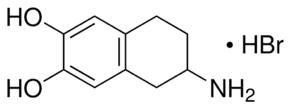
(±)-2-Amino-6,7-dihydroxy-1,2,3,4-tetrahydronaphthalene hydrobromide
C10H13NO2·HBr
Biochemicals & Reagents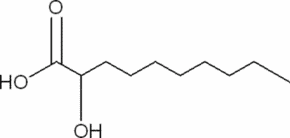
(±)-2-Hydroxydecanoic acid
C10H20O3
Biochemicals & Reagents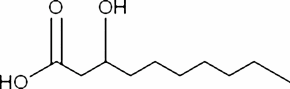
(±)-3-Hydroxydecanoic acid
C10H20O3
Biochemicals & Reagents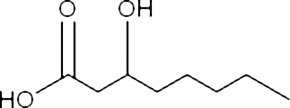
(±)-3-Hydroxyoctanoic acid
C8H16O3
Biochemicals & Reagents▶ Explore more

Bis(cyclopentadienyl)cobalt(III) hexafluorophosphate
C10H10CoF6P
Catalysis & Inorganic
1-(4-Chlorophenyl)biguanide hydrochloride
ClC6H4NHC(NH)NHC(NH)NH2 · HCl
Chemical Synthesis
Bis(cyclopentadienyl)dimethylzirconium(IV)
Catalysis & Inorganic

1-(4-Chlorophenyl)ethanol
ClC6H4CH(CH3)OH
Chemical Synthesis