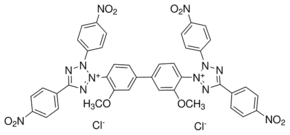
Tetranitroblue tetrazolium chloride
Tetranitroblue tetrazolium chloride (CAS: 1184-43-6; Formula: C40H28Cl2N12O10; Molar Mass: 907.63 g/mol) is a tetrazolium salt primarily utilised as a chromogenic substrate in biochemical assays. It is known for its role in detecting enzymatic activity, particularly in histochemistry and immunology, where it forms a deep blue diformazan precipitate upon reduction. This compound is supplied by TSS for research and development purposes.
- IUPAC
- 3,3′-(3,3′-Dimethoxy-4,4′-biphenylene)bis[2,5-bis(p-nitrophenyl)-2H-tetrazolium chloride],TNBT,Tetranitrotetrazolium blue chloride
- Synonyms
- 3,3′-(3,3′-Dimethoxy-4,4′-biphenylene)bis[2,5-bis(p-nitrophenyl)-2H-tetrazolium chloride],TNBT,Tetranitrotetrazolium blue chloride
Enzyme Substrate
Tetranitroblue tetrazolium chloride serves as a sensitive chromogenic substrate for various oxidoreductase enzymes, including dehydrogenases and peroxidases. Its reduction yields a coloured formazan product, facilitating the quantitative or qualitative detection of enzyme activity in biological samples.
Histochemistry
This reagent is widely employed in histochemical staining techniques to visualise enzyme activity within tissue sections. The insoluble formazan precipitate forms at the site of enzymatic action, allowing for detailed localisation of specific enzyme functions.
Immunology and Cell Biology
Tetranitroblue tetrazolium chloride can be used in certain immunological assays and cell-based studies. It has been applied to detect cellular reduction processes and as an indicator in specific enzyme-linked assays, contributing to the study of cellular metabolism and function.
| Molecular weight | 907.63 |
|---|---|
| Empirical formula | C40H28Cl2N12O10 |
| Assay | ≥90% |
| Loss on drying | ≤25% loss on drying |
| Storage temperature | 2-8°C |
| Melting point | ~170 °C (dec.) |

Hazard statements
- H350May cause cancer
Precautionary statements
- P201Obtain special instructions before use
- P308IF exposed or concerned
| Protective equipment | Eyeshields, full-face particle respirator type N100 (US), Gloves, respirator cartridge type N100 (US), type P1 (EN143) respirator filter, type P3 (EN 143) respirator cartridges |
|---|---|
| Water hazard class (WGK, DE) | 3 |
| Hazard codes (EU) | T |
| Risk statements (R) | 45 |
| Safety statements (S) | 53 |
| Ignition residue | ≤0.1% |
Hazard information is provided for guidance. Always consult the product Safety Data Sheet (SDS), available on request, before handling.
Documentation
Every batch ships with a Certificate of Analysis covering assay, identity and purity; the grade is confirmed against your enquiry. Safety Data Sheets and technical data sheets are available on request.
Supply & logistics
Samples for technical evaluation; bulk MOQ by grade and packaging. In-stock material ships in 7–10 working days, worldwide, with full export documentation.
What is Tetranitroblue tetrazolium chloride used for?
+
Tetranitroblue tetrazolium chloride is primarily used as a chromogenic substrate in biochemical assays, histochemistry, and immunology to detect the activity of oxidoreductase enzymes by forming a coloured formazan precipitate.
What are the CAS number and formula for Tetranitroblue tetrazolium chloride?
+
The CAS number is 1184-43-6, and the empirical formula is C40H28Cl2N12O10.
What grade and purity does Tech Serve Solutions supply?
+
Tech Serve Solutions supplies Tetranitroblue tetrazolium chloride with an assay of ≥90%. We do not represent this product as USP, BP, or EP grade.
How should Tetranitroblue tetrazolium chloride be handled?
+
Handling Tetranitroblue tetrazolium chloride requires caution due to its potential carcinogenic properties (H350). Use appropriate personal protective equipment including eyeshields, gloves, and a suitable respirator (type N100 US or P3 EN143). Store at 2-8°C and avoid exposure; refer to the Safety Data Sheet for full details.
Is Tetranitroblue tetrazolium chloride a controlled substance?
+
The provided data does not indicate that Tetranitroblue tetrazolium chloride is a controlled substance.
How is Tetranitroblue tetrazolium chloride packed and shipped?
+
Tetranitroblue tetrazolium chloride is typically packed in accordance with regulatory standards for hazardous chemicals and exported globally by TSS. Specific packaging details can be confirmed upon request.
How can I request a quote or sample?
+
To request a quote or sample of Tetranitroblue tetrazolium chloride, please contact the TSS sales team through our website or by phone, providing your specific requirements and shipping details.
▶ Related products
![(±)-(E)-4-Ethyl-2-[(E)-hydroxyimino]-5-nitro-3-hexenamide (C8H13N3O4) — chemical structure, CAS 138472-01-2; Biochemicals & Reagents, fine chemical supplied by Tech Serve Solutions](/_next/image?url=https%3A%2F%2Fpub-f4d920c906024441a773a96f7098e551.r2.dev%2Fimages%2Fproducts%2F138472-01-2.png&w=3840&q=75)
(±)-(E)-4-Ethyl-2-[(E)-hydroxyimino]-5-nitro-3-hexenamide
C8H13N3O4
Biochemicals & Reagents![(±)-(E)-4-Ethyl-2-[(Z)-hydroxyimino]-5-nitro-3-hexen-1-yl-nicotinamide (C14H18N4O4) — chemical structure, CAS 162626-99-5; Biochemicals & Reagents, fine chemical supplied by Tech Serve Solutions](/_next/image?url=https%3A%2F%2Fpub-f4d920c906024441a773a96f7098e551.r2.dev%2Fimages%2Fproducts%2F162626-99-5.png&w=3840&q=75)
(±)-(E)-4-Ethyl-2-[(Z)-hydroxyimino]-5-nitro-3-hexen-1-yl-nicotinamide
C14H18N4O4
Biochemicals & Reagents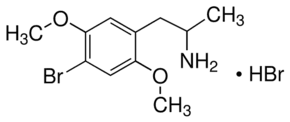
(±)-2,5-Dimethoxy-4-bromoamphetamine hydrobromide
Biochemicals & Reagents
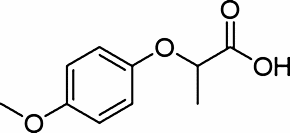
(±)-2-(p-Methoxyphenoxy)propionic acid
C10H12O4
Biochemicals & Reagents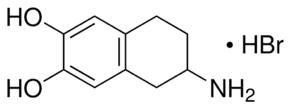
(±)-2-Amino-6,7-dihydroxy-1,2,3,4-tetrahydronaphthalene hydrobromide
C10H13NO2·HBr
Biochemicals & Reagents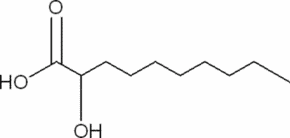
(±)-2-Hydroxydecanoic acid
C10H20O3
Biochemicals & Reagents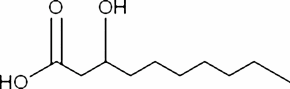
(±)-3-Hydroxydecanoic acid
C10H20O3
Biochemicals & Reagents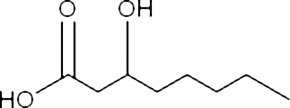
(±)-3-Hydroxyoctanoic acid
C8H16O3
Biochemicals & Reagents