Sangivamycin hydrate from Streptomyces rimosus
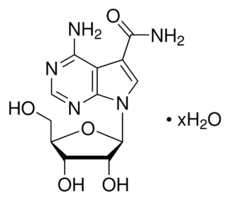
Sangivamycin hydrate (CAS: 18417-89-5), a nucleoside analogue derived from *Streptomyces rimosus*, presents as C12H15N5O5 · xH2O with a molecular weight of 309.28 (anhydrous basis). This compound serves as a valuable tool in biochemical research, particularly for studies involving protein kinase C (PKC)-mediated cell signalling pathways. Its specific applications aid researchers in understanding complex cellular mechanisms.
- IUPAC
- 7-Deaza-7-carbamoyladenosine hydrate
- Synonyms
- 7-Deaza-7-carbamoyladenosine hydrate
PKC-Mediated Cell Signalling Research
Sangivamycin hydrate is utilised in experimental settings to investigate the role of protein kinase C (PKC) in cellular processes. Its mechanism of action allows for detailed studies of signal transduction pathways affected by PKC activity.
Biochemical Research Reagent
As a bioactive small molecule, this compound functions as a versatile reagent in broader biochemical research. It supports investigations into cellular functions and molecular interactions within biological systems.
AIDS and Viral Research Studies
This substance finds application in the realm of AIDS and viral research. Its potential antiviral properties or interactions with viral mechanisms make it a subject of investigation in this critical research area.
| Molecular weight | 309.28 (anhydrous basis) |
|---|---|
| Empirical formula | C12H15N5O5 · xH2O |
| Solubility | 0.5 M HCl: complete5 mg/mlglacial acetic acid: complete50 mg/ml |
| Storage temperature | 2-8°C |
| Application | Sangivamycin hydrate from Streptomyces rimosus may be used in PKC-mediated cell signaling studies. |

Hazard statements
- H300Fatal if swallowed
- H310Fatal in contact with skin
- H330Fatal if inhaled
Precautionary statements
- P260Do not breathe dust, fume, gas, mist, vapours or spray
- P264Wash thoroughly after handling
- P280Wear protective gloves, clothing and eye/face protection
- P284Wear respiratory protection
- P302IF ON SKIN
- P310Immediately call a POISON CENTER or doctor
| Protective equipment | Eyeshields, Faceshields, full-face particle respirator type N100 (US), Gloves, respirator cartridge type N100 (US), type P1 (EN143) respirator filter, type P3 (EN 143) respirator cartridges |
|---|---|
| Transport (UN / ADR) | UN 2811 6.1 / PGII |
| Water hazard class (WGK, DE) | 3 |
| Hazard codes (EU) | T+ |
| Risk statements (R) | 26/27/28 |
| Safety statements (S) | 36/37/39-45 |
Hazard information is provided for guidance. Always consult the product Safety Data Sheet (SDS), available on request, before handling.
Documentation
Every batch ships with a Certificate of Analysis covering assay, identity and purity; the grade is confirmed against your enquiry. Safety Data Sheets and technical data sheets are available on request.
Supply & logistics
Samples for technical evaluation; bulk MOQ by grade and packaging. In-stock material ships in 7–10 working days, worldwide, with full export documentation.
What is Sangivamycin hydrate used for?
+
Sangivamycin hydrate from *Streptomyces rimosus* may be used in PKC-mediated cell signalling studies and broader biochemical and AIDS/viral research.
What is the CAS number and chemical formula for Sangivamycin hydrate?
+
The CAS number is 18417-89-5, and the empirical formula is C12H15N5O5 · xH2O.
What grade and purity does Tech Serve Solutions supply?
+
Tech Serve Solutions supplies Sangivamycin hydrate for research purposes. The exact purity and grade are detailed in the product specifications; TSS does not represent this product as USP, BP, or EP grade.
How should Sangivamycin hydrate be handled safely?
+
Sangivamycin hydrate is classified as acutely toxic if swallowed, in contact with skin, or if inhaled (H300-H310-H330), requiring extreme caution. Always use appropriate personal protective equipment, including eyeshields, face shields, gloves, and respiratory protection (e.g., full-face particle respirator type N100 or equivalent). Handle only in a well-ventilated area or under a fume hood. Follow all supplied safety statements (P260, P264, P280, P284, P302 + P350, P310).
How is Sangivamycin hydrate packed, shipped, and exported?
+
Sangivamycin hydrate is carefully packed according to regulatory requirements for hazardous materials (UN 2811, 6.1/PGII). Tech Serve Solutions is experienced in global export, ensuring compliance with international shipping regulations.
How can I request a sample or quote for Sangivamycin hydrate?
+
To request a sample or a quote, please contact our sales team via the website or provide your details through the product enquiry form. Specify the quantity and any specific requirements you may have.
▶ Related products
![(±)-(E)-4-Ethyl-2-[(E)-hydroxyimino]-5-nitro-3-hexenamide (C8H13N3O4) — chemical structure, CAS 138472-01-2; Biochemicals & Reagents, fine chemical supplied by Tech Serve Solutions](/_next/image?url=https%3A%2F%2Fpub-f4d920c906024441a773a96f7098e551.r2.dev%2Fimages%2Fproducts%2F138472-01-2.png&w=3840&q=75)
(±)-(E)-4-Ethyl-2-[(E)-hydroxyimino]-5-nitro-3-hexenamide
C8H13N3O4
Biochemicals & Reagents![(±)-(E)-4-Ethyl-2-[(Z)-hydroxyimino]-5-nitro-3-hexen-1-yl-nicotinamide (C14H18N4O4) — chemical structure, CAS 162626-99-5; Biochemicals & Reagents, fine chemical supplied by Tech Serve Solutions](/_next/image?url=https%3A%2F%2Fpub-f4d920c906024441a773a96f7098e551.r2.dev%2Fimages%2Fproducts%2F162626-99-5.png&w=3840&q=75)
(±)-(E)-4-Ethyl-2-[(Z)-hydroxyimino]-5-nitro-3-hexen-1-yl-nicotinamide
C14H18N4O4
Biochemicals & Reagents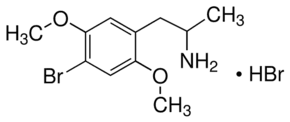
(±)-2,5-Dimethoxy-4-bromoamphetamine hydrobromide
Biochemicals & Reagents
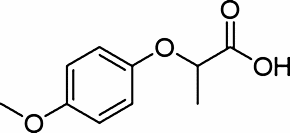
(±)-2-(p-Methoxyphenoxy)propionic acid
C10H12O4
Biochemicals & Reagents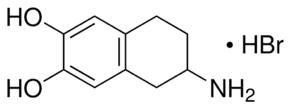
(±)-2-Amino-6,7-dihydroxy-1,2,3,4-tetrahydronaphthalene hydrobromide
C10H13NO2·HBr
Biochemicals & Reagents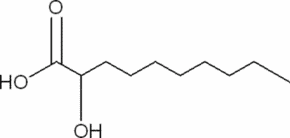
(±)-2-Hydroxydecanoic acid
C10H20O3
Biochemicals & Reagents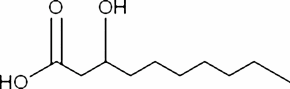
(±)-3-Hydroxydecanoic acid
C10H20O3
Biochemicals & Reagents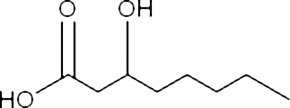
(±)-3-Hydroxyoctanoic acid
C8H16O3
Biochemicals & Reagents