
Roxithromycin
Roxithromycin (CAS: 80214-83-1), with the molecular formula C41H76N2O15 and a molecular weight of 837.05, is a semi-synthetic macrolide antibiotic. It functions by inhibiting bacterial protein synthesis. Clinically, Roxithromycin is employed for the treatment of infections affecting the respiratory tract, urinary system, and soft tissues. Its antimicrobial spectrum is comparable to erythromycin, but it demonstrates efficacy against specific Gram-negative bacteria such as *Legionella pneumophila*.
- IUPAC
- Erythromycin 9-(-O-[2-methoxyethoxy]methyloxime)

Antibacterial Agent
Roxithromycin acts as a semi-synthetic macrolide antibiotic. It is utilised to inhibit bacterial protein synthesis, making it effective against a range of bacterial infections.
Treatment of Respiratory Tract Infections
This compound is clinically indicated for the management of bacterial infections of the respiratory system. Its mechanism targets and disrupts essential bacterial processes.
Management of Urinary Tract Infections
Roxithromycin is applied in the treatment of bacterial infections within the urinary tract. It offers a broad spectrum of activity against certain Gram-negative and Gram-positive bacteria.
Treatment of Soft Tissue Infections
The antibiotic properties of Roxithromycin make it suitable for treating various bacterial infections of the soft tissues. It is particularly noted for its efficacy against certain Gram-negative pathogens.
| Molecular weight | 837.05 |
|---|---|
| Empirical formula | C41H76N2O15 |
| Assay | ≥90% (HPLC) |
| Storage temperature | 2-8°C |
| Application | Roxithromycin is a semi-synthetic macrolide antibiotic. Roxithromycin is used to block bacterial protein synthesis. Clinically, it is used to treat respiratory tract, urinary and soft tissue infections. It has a similar antimicrobial spectrum as erythromycin, but is the preferred treatment for certain gram-negative bacteria, such as Legionella pneumophila1. |

Hazard statements
- H302Harmful if swallowed
| Protective equipment | dust mask type N95 (US), Eyeshields, Gloves |
|---|---|
| Water hazard class (WGK, DE) | 3 |
| Hazard codes (EU) | Xn |
| Risk statements (R) | 22 |
Hazard information is provided for guidance. Always consult the product Safety Data Sheet (SDS), available on request, before handling.
Documentation
Every batch ships with a Certificate of Analysis covering assay, identity and purity; the grade is confirmed against your enquiry. Safety Data Sheets and technical data sheets are available on request.
Supply & logistics
Samples for technical evaluation; bulk MOQ by grade and packaging. In-stock material ships in 7–10 working days, worldwide, with full export documentation.
What is Roxithromycin used for?
+
Roxithromycin is used to treat bacterial infections of the respiratory tract, urinary system, and soft tissues by inhibiting bacterial protein synthesis. It is a semi-synthetic macrolide antibiotic.
What is the CAS number and formula for Roxithromycin?
+
The CAS number for Roxithromycin is 80214-83-1, and its empirical formula is C41H76N2O15.
What grade and purity does Tech Serve Solutions supply?
+
Tech Serve Solutions supplies Roxithromycin with an assay of ≥90% (HPLC). This product is not represented as USP, BP, EP, or any other pharmacopoeial grade. For specific batch analysis, please contact our technical support.
How should Roxithromycin be handled and stored?
+
Roxithromycin is classified as harmful if swallowed (H302) and requires handling with a dust mask (N95), eyeshields, and gloves. It should be stored at refrigerated temperatures between 2-8°C.
How is Roxithromycin packed, shipped, and exported?
+
Roxithromycin is carefully packed to ensure product integrity during transit. Tech Serve Solutions is experienced in global export logistics for chemical compounds.
How can I request a sample or quote for Roxithromycin?
+
To request a sample or obtain a quote for Roxithromycin, please contact our sales department through the website or by calling our main line.
▶ Related products
![(±)-(E)-4-Ethyl-2-[(E)-hydroxyimino]-5-nitro-3-hexenamide (C8H13N3O4) — chemical structure, CAS 138472-01-2; Biochemicals & Reagents, fine chemical supplied by Tech Serve Solutions](/_next/image?url=https%3A%2F%2Fpub-f4d920c906024441a773a96f7098e551.r2.dev%2Fimages%2Fproducts%2F138472-01-2.png&w=3840&q=75)
(±)-(E)-4-Ethyl-2-[(E)-hydroxyimino]-5-nitro-3-hexenamide
C8H13N3O4
Biochemicals & Reagents![(±)-(E)-4-Ethyl-2-[(Z)-hydroxyimino]-5-nitro-3-hexen-1-yl-nicotinamide (C14H18N4O4) — chemical structure, CAS 162626-99-5; Biochemicals & Reagents, fine chemical supplied by Tech Serve Solutions](/_next/image?url=https%3A%2F%2Fpub-f4d920c906024441a773a96f7098e551.r2.dev%2Fimages%2Fproducts%2F162626-99-5.png&w=3840&q=75)
(±)-(E)-4-Ethyl-2-[(Z)-hydroxyimino]-5-nitro-3-hexen-1-yl-nicotinamide
C14H18N4O4
Biochemicals & Reagents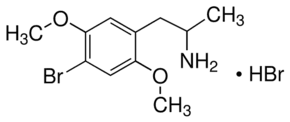
(±)-2,5-Dimethoxy-4-bromoamphetamine hydrobromide
Biochemicals & Reagents
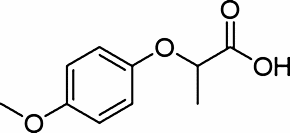
(±)-2-(p-Methoxyphenoxy)propionic acid
C10H12O4
Biochemicals & Reagents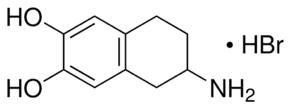
(±)-2-Amino-6,7-dihydroxy-1,2,3,4-tetrahydronaphthalene hydrobromide
C10H13NO2·HBr
Biochemicals & Reagents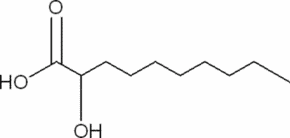
(±)-2-Hydroxydecanoic acid
C10H20O3
Biochemicals & Reagents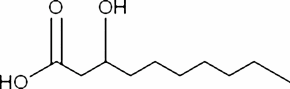
(±)-3-Hydroxydecanoic acid
C10H20O3
Biochemicals & Reagents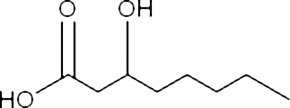
(±)-3-Hydroxyoctanoic acid
C8H16O3
Biochemicals & Reagents▶ Explore more

Bis(cyclopentadienyl)cobalt(III) hexafluorophosphate
C10H10CoF6P
Catalysis & Inorganic
1-(4-Chlorophenyl)biguanide hydrochloride
ClC6H4NHC(NH)NHC(NH)NH2 · HCl
Chemical Synthesis
Bis(cyclopentadienyl)dimethylzirconium(IV)
Catalysis & Inorganic

1-(4-Chlorophenyl)ethanol
ClC6H4CH(CH3)OH
Chemical Synthesis