Retinoic acid
Retinoic acid (CAS 302-79-4), with the molecular formula C20H28O2 and a molecular weight of 300.44 g/mol, is a yellow crystalline powder. This compound is recognised for its role in cellular differentiation and gene regulation. It is primarily utilised in scientific research, particularly in cancer research and cell biology studies, owing to its influence on cellular processes and signalling pathways.
- IUPAC
- ATRA,Tretinoin,Vitamin A acid,all-trans-Retinoic acid
- Synonyms
- all-trans-Retinoic acidATRATretinoinVitamin A acid

Cancer Research
Retinoic acid is widely employed in cancer research due to its antiproliferative and differentiation-inducing properties. It serves as a vital tool for investigating the mechanisms of various cancers and exploring potential therapeutic strategies.
Cell Biology and Signaling
As a key signalling molecule, retinoic acid is instrumental in cell differentiation, proliferation, and apoptosis. Researchers use it to study developmental biology, gene expression, and cellular communication pathways.
Stem Cell Research
This compound is utilised in stem cell research for its role in regulating cell fate and differentiation. It can be applied to study the expansion and differentiation protocols for various types of stem cells.
| Molecular weight | 300.44 |
|---|---|
| Empirical formula | C20H28O2 |
| Assay | ≥98.0% (HPLC) |
| Form | powder |
| Colour | yellow |
| Loss on drying | ≤0.5% loss on drying |
| Storage temperature | 2-8°C |
| Melting point | 180-181 °C(lit.)182-186 °C |
| Impurities tested | ≤0.002% heavy metals |

Hazard statements
- H302Harmful if swallowed
Precautionary statements
- P273Avoid release to the environment
| Protective equipment | dust mask type N95 (US), Eyeshields, Gloves |
|---|---|
| Transport (UN / ADR) | UN 3077 9 / PGIII |
| Water hazard class (WGK, DE) | 2 |
| Hazard codes (EU) | Xn |
| Risk statements (R) | 22 |
| Safety statements (S) | 61 |
| Ignition residue | ≤0.1% (as SO4) |
Hazard information is provided for guidance. Always consult the product Safety Data Sheet (SDS), available on request, before handling.
Documentation
Every batch ships with a Certificate of Analysis covering assay, identity and purity; the grade is confirmed against your enquiry. Safety Data Sheets and technical data sheets are available on request.
Supply & logistics
Samples for technical evaluation; bulk MOQ by grade and packaging. In-stock material ships in 7–10 working days, worldwide, with full export documentation.
What is Retinoic Acid used for?
+
Retinoic Acid (CAS 302-79-4) is used in scientific research, particularly in cancer research, cell biology, and stem cell studies, due to its roles in cellular differentiation and gene regulation.
What are the CAS number and formula for Retinoic Acid?
+
The CAS number for Retinoic Acid is 302-79-4, and its molecular formula is C20H28O2.
What grade and purity does Tech Serve Solutions supply?
+
Tech Serve Solutions supplies Retinoic Acid with an assay of ≥98.0% (HPLC). We do not represent this product as USP, BP, or EP grade.
How should Retinoic Acid be handled safely?
+
Retinoic Acid is harmful if swallowed (H302). Handle with appropriate personal protective equipment, including a dust mask (type N95), eyeshields, and gloves. Ensure adequate ventilation and avoid dust formation. Store at 2-8°C. Observe precautionary statement P273.
How is Retinoic Acid packed and exported?
+
Retinoic Acid is packed and exported according to relevant regulations. For shipping, it is classified under UN 3077, Environmentally hazardous substance, solid, n.o.s. (Retinoic acid), 9, III.
How can I request a quote or sample of Retinoic Acid?
+
To request a quote or sample of Retinoic Acid, please contact our sales team via the website or direct email, providing your specific requirements and delivery details.
▶ Related products
![(±)-(E)-4-Ethyl-2-[(E)-hydroxyimino]-5-nitro-3-hexenamide (C8H13N3O4) — chemical structure, CAS 138472-01-2; Biochemicals & Reagents, fine chemical supplied by Tech Serve Solutions](/_next/image?url=https%3A%2F%2Fpub-f4d920c906024441a773a96f7098e551.r2.dev%2Fimages%2Fproducts%2F138472-01-2.png&w=3840&q=75)
(±)-(E)-4-Ethyl-2-[(E)-hydroxyimino]-5-nitro-3-hexenamide
C8H13N3O4
Biochemicals & Reagents![(±)-(E)-4-Ethyl-2-[(Z)-hydroxyimino]-5-nitro-3-hexen-1-yl-nicotinamide (C14H18N4O4) — chemical structure, CAS 162626-99-5; Biochemicals & Reagents, fine chemical supplied by Tech Serve Solutions](/_next/image?url=https%3A%2F%2Fpub-f4d920c906024441a773a96f7098e551.r2.dev%2Fimages%2Fproducts%2F162626-99-5.png&w=3840&q=75)
(±)-(E)-4-Ethyl-2-[(Z)-hydroxyimino]-5-nitro-3-hexen-1-yl-nicotinamide
C14H18N4O4
Biochemicals & Reagents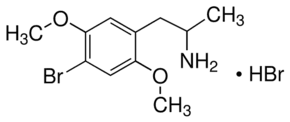
(±)-2,5-Dimethoxy-4-bromoamphetamine hydrobromide
Biochemicals & Reagents
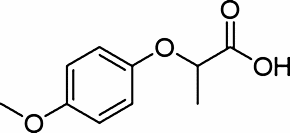
(±)-2-(p-Methoxyphenoxy)propionic acid
C10H12O4
Biochemicals & Reagents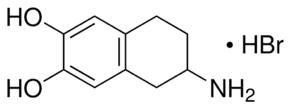
(±)-2-Amino-6,7-dihydroxy-1,2,3,4-tetrahydronaphthalene hydrobromide
C10H13NO2·HBr
Biochemicals & Reagents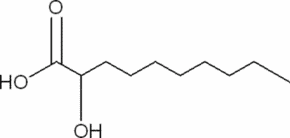
(±)-2-Hydroxydecanoic acid
C10H20O3
Biochemicals & Reagents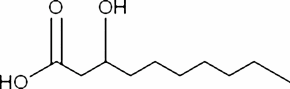
(±)-3-Hydroxydecanoic acid
C10H20O3
Biochemicals & Reagents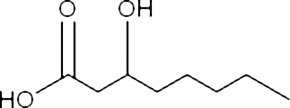
(±)-3-Hydroxyoctanoic acid
C8H16O3
Biochemicals & Reagents