
Pterine
Pterine (CAS: 2236-60-4, C6H5N5O, MW: 163.14) is a heterocyclic organic compound important in biochemistry. As a pteridine derivative, it serves as a fundamental building block for various biologically active molecules, including folic acid and riboflavin. Pterine is utilized in biochemical research, particularly in studies related to enzyme mechanisms, cofactors, and oxidation-reduction processes. Its structural significance makes it a key compound for understanding metabolic pathways.
- IUPAC
- 2-Amino-4-hydroxypteridine,2-Amino-4-oxodihydropteridine
- Synonyms
- 2-Amino-4-hydroxypteridine2-Amino-4-oxodihydropteridine

Biochemical Research
Pterine is employed as a research chemical in laboratories for investigating biochemical pathways and enzyme activity. It serves as a standard or substrate in studies concerning pteridine metabolism.
Cofactor Studies
As a core structure of many cofactors, pterine is used to understand the role and synthesis of these essential biological molecules. Research often focuses on pteridine-dependent enzymes.
Oxidation-Reduction Studies
The pteridine ring system is involved in redox reactions, making pterine a relevant compound for studying electron transfer mechanisms in biological systems.
Synthesis of Related Compounds
Pterine can serve as a precursor or reference compound in the synthesis of more complex pteridine derivatives for various research applications.
| Molecular weight | 163.14 |
|---|---|
| Empirical formula | C6H5N5O |
| Assay | ≥97.0% (HPLC) |
| Storage temperature | 2-8°C |

Hazard statements
- H315Causes skin irritation
- H319Causes serious eye irritation
- H335May cause respiratory irritation
Precautionary statements
- P261Avoid breathing dust, fume, gas or vapours
- P305IF IN EYES
| Protective equipment | dust mask type N95 (US), Eyeshields, Gloves |
|---|---|
| Water hazard class (WGK, DE) | 3 |
| Hazard codes (EU) | Xi |
| Risk statements (R) | 36/37/38 |
| Safety statements (S) | 26-36 |
Hazard information is provided for guidance. Always consult the product Safety Data Sheet (SDS), available on request, before handling.
Documentation
Every batch ships with a Certificate of Analysis covering assay, identity and purity; the grade is confirmed against your enquiry. Safety Data Sheets and technical data sheets are available on request.
Supply & logistics
Samples for technical evaluation; bulk MOQ by grade and packaging. In-stock material ships in 7–10 working days, worldwide, with full export documentation.
What is Pterine used for?
+
Pterine is primarily used in biochemical research, cofactor studies, oxidation-reduction research, and as a precursor for synthesizing related compounds.
What is the CAS number and chemical formula for Pterine?
+
The CAS number for Pterine is 2236-60-4, and its chemical formula is C6H5N5O.
What grade and purity does Tech Serve Solutions supply?
+
Tech Serve Solutions supplies Pterine with an assay of ≥97.0% (HPLC). This product is intended for research and laboratory use and is not supplied as USP, BP, EP, or pharmacopoeia grade.
How should Pterine be handled and stored?
+
Pterine is an irritant and may cause respiratory irritation. Handle with appropriate personal protective equipment, including a dust mask (N95 type), eyeshields, and gloves. Store in a cool place at 2-8°C.
How is Pterine packed and shipped?
+
Pterine is carefully packed according to industry standards for chemical reagents to ensure safe transit and export. Please contact us for specific shipping details.
How can I request a sample or quote for Pterine?
+
To request a sample or a quotation for Pterine, please use the contact form on our website or call our sales team, providing your required quantity and shipping destination.
▶ Related products
![(±)-(E)-4-Ethyl-2-[(E)-hydroxyimino]-5-nitro-3-hexenamide (C8H13N3O4) — chemical structure, CAS 138472-01-2; Biochemicals & Reagents, fine chemical supplied by Tech Serve Solutions](/_next/image?url=https%3A%2F%2Fpub-f4d920c906024441a773a96f7098e551.r2.dev%2Fimages%2Fproducts%2F138472-01-2.png&w=3840&q=75)
(±)-(E)-4-Ethyl-2-[(E)-hydroxyimino]-5-nitro-3-hexenamide
C8H13N3O4
Biochemicals & Reagents![(±)-(E)-4-Ethyl-2-[(Z)-hydroxyimino]-5-nitro-3-hexen-1-yl-nicotinamide (C14H18N4O4) — chemical structure, CAS 162626-99-5; Biochemicals & Reagents, fine chemical supplied by Tech Serve Solutions](/_next/image?url=https%3A%2F%2Fpub-f4d920c906024441a773a96f7098e551.r2.dev%2Fimages%2Fproducts%2F162626-99-5.png&w=3840&q=75)
(±)-(E)-4-Ethyl-2-[(Z)-hydroxyimino]-5-nitro-3-hexen-1-yl-nicotinamide
C14H18N4O4
Biochemicals & Reagents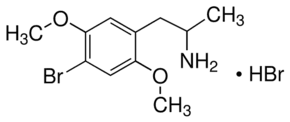
(±)-2,5-Dimethoxy-4-bromoamphetamine hydrobromide
Biochemicals & Reagents
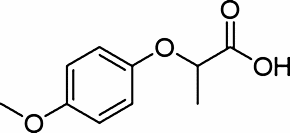
(±)-2-(p-Methoxyphenoxy)propionic acid
C10H12O4
Biochemicals & Reagents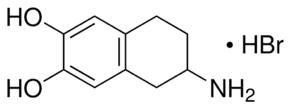
(±)-2-Amino-6,7-dihydroxy-1,2,3,4-tetrahydronaphthalene hydrobromide
C10H13NO2·HBr
Biochemicals & Reagents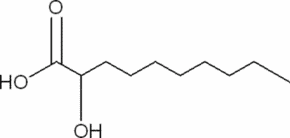
(±)-2-Hydroxydecanoic acid
C10H20O3
Biochemicals & Reagents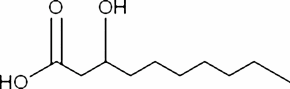
(±)-3-Hydroxydecanoic acid
C10H20O3
Biochemicals & Reagents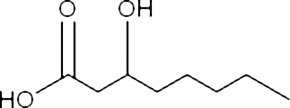
(±)-3-Hydroxyoctanoic acid
C8H16O3
Biochemicals & Reagents▶ Explore more

Bis(cyclopentadienyl)cobalt(III) hexafluorophosphate
C10H10CoF6P
Catalysis & Inorganic
1-(4-Chlorophenyl)biguanide hydrochloride
ClC6H4NHC(NH)NHC(NH)NH2 · HCl
Chemical Synthesis
Bis(cyclopentadienyl)dimethylzirconium(IV)
Catalysis & Inorganic

1-(4-Chlorophenyl)ethanol
ClC6H4CH(CH3)OH
Chemical Synthesis