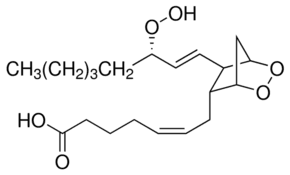
Prostaglandin G2
Prostaglandin G2 (CAS: 51982-36-6), with the molecular formula C20H32O6 and a molecular weight of 368.46 g/mol, is a key intermediate in the arachidonic acid cascade. This compound plays a crucial role in cellular signalling pathways and is involved in various physiological processes. Supplied as an acetone solution, it is essential for research in biochemistry, cell biology, and neuroscience, particularly concerning inflammation and cardiovascular research.
Biochemical Research
Prostaglandin G2 serves as a vital reagent in biochemical studies, aiding researchers in understanding the complex pathways of eicosanoid metabolism. Its role as an intermediate in prostaglandin synthesis makes it invaluable for investigating cellular signalling.
Cellular Signalling Studies
This compound is instrumental in exploring cell signalling mechanisms, particularly those related to inflammation, pain, and cardiovascular function. Researchers utilise Prostaglandin G2 to probe the intricate details of lipid-mediated cell communication.
Neuroscience Research
In neuroscience, Prostaglandin G2 contributes to the study of neuroinflammatory processes and other signalling pathways affecting the nervous system. Its involvement in the arachidonic acid cascade makes it a relevant tool for neurological research.
Intermediate in Eicosanoid Synthesis
As a direct precursor in the synthesis of various prostaglandins and thromboxanes, Prostaglandin G2 is a critical intermediate for researchers studying eicosanoids. This allows for detailed investigation into their biological effects.
| Molecular weight | 368.46 |
|---|---|
| Empirical formula | C20H32O6 |
| Assay | ≥95% (HPLC) |
| Form | acetone solution |
| Storage temperature | −70°C |


Hazard statements
- H225Highly flammable liquid and vapour
- H319Causes serious eye irritation
- H336May cause drowsiness or dizziness
Precautionary statements
- P210Keep away from heat, sparks and open flames. No smoking
- P261Avoid breathing dust, fume, gas or vapours
- P305IF IN EYES
| Protective equipment | Eyeshields, Faceshields, full-face respirator (US), Gloves, multi-purpose combination respirator cartridge (US), type ABEK (EN14387) respirator filter |
|---|---|
| Flash point | -17 °C / 1.4 °F |
| Transport (UN / ADR) | UN 1090 3 / PGII |
| Water hazard class (WGK, DE) | 1 |
| Hazard codes (EU) | F,Xi |
| Risk statements (R) | 11-36-66-67 |
| Safety statements (S) | 9-16-26 |
| Supplemental hazards | Repeated exposure may cause skin dryness or cracking. |
Hazard information is provided for guidance. Always consult the product Safety Data Sheet (SDS), available on request, before handling.
| Shipped In | dry ice |
|---|
Documentation
Every batch ships with a Certificate of Analysis covering assay, identity and purity; the grade is confirmed against your enquiry. Safety Data Sheets and technical data sheets are available on request.
Supply & logistics
Samples for technical evaluation; bulk MOQ by grade and packaging. In-stock material ships in 7–10 working days, worldwide, with full export documentation.
What is Prostaglandin G2 used for?
+
Prostaglandin G2 is used in biochemical research, cellular signalling studies, neuroscience research, and as an intermediate in eicosanoid synthesis. It is a key compound for investigating the arachidonic acid cascade and related physiological processes.
What are the CAS number and formula for Prostaglandin G2?
+
The CAS number for Prostaglandin G2 is 51982-36-6, and its molecular formula is C20H32O6.
What grade and purity does Tech Serve Solutions supply?
+
Tech Serve Solutions supplies Prostaglandin G2 with an assay of ≥95% (HPLC). This product is intended for research use and is not supplied as USP, BP, EP, or pharmaceutical grade.
How is Prostaglandin G2 handled and stored?
+
Prostaglandin G2 is supplied as an acetone solution and is shipped in dry ice. It requires storage at -70°C. Due to its flammability (H225) and irritant properties (H319), appropriate safety measures including eye protection, gloves, and adequate ventilation are necessary during handling. It may also cause drowsiness or dizziness (H336).
How is Prostaglandin G2 shipped and exported?
+
Prostaglandin G2 is shipped in dry ice to maintain its required storage temperature of -70°C. As a global supplier, Tech Serve Solutions adheres to all regulations for the export of chemicals.
How can I request a quote or sample for Prostaglandin G2?
+
To request a quote or sample for Prostaglandin G2, please contact our sales department through the website or by calling us directly. Our team will be happy to assist you with your requirements.
▶ Related products
![(±)-(E)-4-Ethyl-2-[(E)-hydroxyimino]-5-nitro-3-hexenamide (C8H13N3O4) — chemical structure, CAS 138472-01-2; Biochemicals & Reagents, fine chemical supplied by Tech Serve Solutions](/_next/image?url=https%3A%2F%2Fpub-f4d920c906024441a773a96f7098e551.r2.dev%2Fimages%2Fproducts%2F138472-01-2.png&w=3840&q=75)
(±)-(E)-4-Ethyl-2-[(E)-hydroxyimino]-5-nitro-3-hexenamide
C8H13N3O4
Biochemicals & Reagents![(±)-(E)-4-Ethyl-2-[(Z)-hydroxyimino]-5-nitro-3-hexen-1-yl-nicotinamide (C14H18N4O4) — chemical structure, CAS 162626-99-5; Biochemicals & Reagents, fine chemical supplied by Tech Serve Solutions](/_next/image?url=https%3A%2F%2Fpub-f4d920c906024441a773a96f7098e551.r2.dev%2Fimages%2Fproducts%2F162626-99-5.png&w=3840&q=75)
(±)-(E)-4-Ethyl-2-[(Z)-hydroxyimino]-5-nitro-3-hexen-1-yl-nicotinamide
C14H18N4O4
Biochemicals & Reagents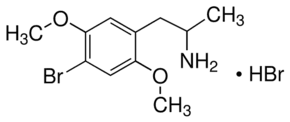
(±)-2,5-Dimethoxy-4-bromoamphetamine hydrobromide
Biochemicals & Reagents
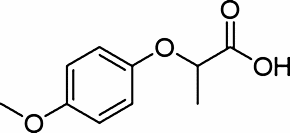
(±)-2-(p-Methoxyphenoxy)propionic acid
C10H12O4
Biochemicals & Reagents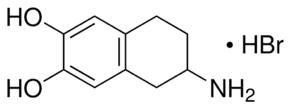
(±)-2-Amino-6,7-dihydroxy-1,2,3,4-tetrahydronaphthalene hydrobromide
C10H13NO2·HBr
Biochemicals & Reagents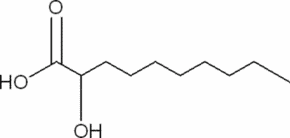
(±)-2-Hydroxydecanoic acid
C10H20O3
Biochemicals & Reagents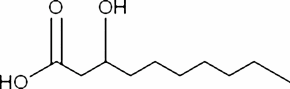
(±)-3-Hydroxydecanoic acid
C10H20O3
Biochemicals & Reagents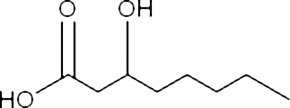
(±)-3-Hydroxyoctanoic acid
C8H16O3
Biochemicals & Reagents