
Pimaricin
Pimaricin (CAS: 7681-93-8, C33H47NO13) is an amphoteric macrolide antifungal antibiotic produced by Streptomyces chattanoogensis. This compound functions by binding to ergosterol and cholesterol, thereby disrupting cell membrane permeability. It is primarily utilised topically for fungal infections and as a fungicide in laboratory agar media. Pimaricin also serves as a valuable tool in biochemical research for studying lipid bilayer dynamics and regulatory systems in microorganisms.
- IUPAC
- Natamycin
- Synonyms
- Natamycin

Antifungal Agent
Pimaricin is employed topically for the treatment of various fungal infections. Its mechanism involves targeting ergosterol in fungal cell membranes, leading to disruption of cellular integrity.
Fungicide in Culture Media
As a fungicide, Pimaricin is added to agar media to prevent the overgrowth of fungi, ensuring the selective isolation and study of bacteria or other desired microorganisms in laboratory settings.
Biochemical Research Tool
This compound serves as an ergosterol and cholesterol binding agent, facilitating research into lipid bilayer dynamics, particularly within fungal cells. It is also used to investigate regulatory systems in Streptomyces.
| Molecular weight | 665.73 |
|---|---|
| Empirical formula | C33H47NO13 |
| Assay | ≥95% (HPLC) |
| Density | 1.0 g/mL at 20 °C(lit.) |
| Concentration | ~2.5% |
| Storage temperature | 2-8°C |
| Application | Pimaricin is an amphoteric macrolide antifungal antibiotic from Streptomyces chattanoogensis. It is used for a variety of fungal infections, mainly topically. It is used as a ergosterol and cholesterol binding agent to study lipid bilayer dynamics, especially in fungal cells. Pimaricin is used as a fungicide in agar media. It is used to study the pleitropic regulator AdpAch 1 and the gamma-butyrolactone regulatory system of Streptomyces chattanoogensis2. |
| Biological source | from Streptomyces chattanoogensis |
| Protective equipment | Eyeshields, Gloves, type N95 (US), type P1 (EN143) respirator filter |
|---|---|
| Water hazard class (WGK, DE) | 3 |
Hazard information is provided for guidance. Always consult the product Safety Data Sheet (SDS), available on request, before handling.
| Quality Level | PREMIUM |
|---|---|
| Sterility | γ-irradiated |
Documentation
Every batch ships with a Certificate of Analysis covering assay, identity and purity; the grade is confirmed against your enquiry. Safety Data Sheets and technical data sheets are available on request.
Supply & logistics
Samples for technical evaluation; bulk MOQ by grade and packaging. In-stock material ships in 7–10 working days, worldwide, with full export documentation.
What is Pimaricin used for?
+
Pimaricin is used as a topical antifungal agent for various fungal infections and as a fungicide in laboratory agar media. It is also utilized in biochemical research to study lipid bilayer dynamics and microbial regulatory systems.
What are the CAS number and formula for Pimaricin?
+
The CAS number for Pimaricin is 7681-93-8 and its molecular formula is C33H47NO13.
What grade and purity does Tech Serve Solutions supply?
+
Tech Serve Solutions supplies Pimaricin at a PREMIUM quality level with an assay of ≥95% by HPLC. We do not represent this product as USP, BP, or EP grade.
How should Pimaricin be handled safely?
+
When handling Pimaricin, it is essential to use appropriate personal protective equipment, including eyeshields and gloves. A type N95 (US) or type P1 (EN143) respirator filter is also recommended. Dispose of in accordance with local regulations.
How is Pimaricin shipped and exported by TSS?
+
Pimaricin is gamma-irradiated and shipped under refrigerated conditions (2-8°C). Tech Serve Solutions is experienced in global export of fine chemicals and laboratory reagents.
How can I request a quote or sample of Pimaricin?
+
To request a quote or sample of Pimaricin, please contact our sales team via the website or direct email, providing your specific requirements.
▶ Related products
![(±)-(E)-4-Ethyl-2-[(E)-hydroxyimino]-5-nitro-3-hexenamide (C8H13N3O4) — chemical structure, CAS 138472-01-2; Biochemicals & Reagents, fine chemical supplied by Tech Serve Solutions](/_next/image?url=https%3A%2F%2Fpub-f4d920c906024441a773a96f7098e551.r2.dev%2Fimages%2Fproducts%2F138472-01-2.png&w=3840&q=75)
(±)-(E)-4-Ethyl-2-[(E)-hydroxyimino]-5-nitro-3-hexenamide
C8H13N3O4
Biochemicals & Reagents![(±)-(E)-4-Ethyl-2-[(Z)-hydroxyimino]-5-nitro-3-hexen-1-yl-nicotinamide (C14H18N4O4) — chemical structure, CAS 162626-99-5; Biochemicals & Reagents, fine chemical supplied by Tech Serve Solutions](/_next/image?url=https%3A%2F%2Fpub-f4d920c906024441a773a96f7098e551.r2.dev%2Fimages%2Fproducts%2F162626-99-5.png&w=3840&q=75)
(±)-(E)-4-Ethyl-2-[(Z)-hydroxyimino]-5-nitro-3-hexen-1-yl-nicotinamide
C14H18N4O4
Biochemicals & Reagents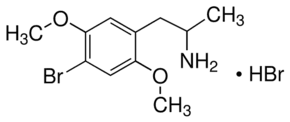
(±)-2,5-Dimethoxy-4-bromoamphetamine hydrobromide
Biochemicals & Reagents
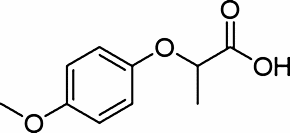
(±)-2-(p-Methoxyphenoxy)propionic acid
C10H12O4
Biochemicals & Reagents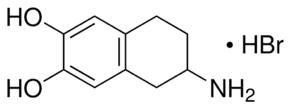
(±)-2-Amino-6,7-dihydroxy-1,2,3,4-tetrahydronaphthalene hydrobromide
C10H13NO2·HBr
Biochemicals & Reagents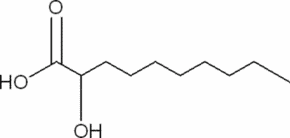
(±)-2-Hydroxydecanoic acid
C10H20O3
Biochemicals & Reagents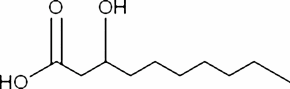
(±)-3-Hydroxydecanoic acid
C10H20O3
Biochemicals & Reagents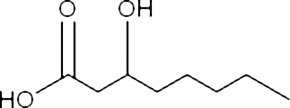
(±)-3-Hydroxyoctanoic acid
C8H16O3
Biochemicals & Reagents▶ Explore more

Bis(cyclopentadienyl)cobalt(III) hexafluorophosphate
C10H10CoF6P
Catalysis & Inorganic
1-(4-Chlorophenyl)biguanide hydrochloride
ClC6H4NHC(NH)NHC(NH)NH2 · HCl
Chemical Synthesis
Bis(cyclopentadienyl)dimethylzirconium(IV)
Catalysis & Inorganic

1-(4-Chlorophenyl)ethanol
ClC6H4CH(CH3)OH
Chemical Synthesis