
Paeoniflorin
Paeoniflorin (CAS: 23180-57-6), with the molecular formula C23H28O11, is a monoterpene glycoside. This white powder is primarily utilised in biochemical and cell biology research. Its applications extend to nutritional research and as a reference standard in phytochemistry. Paeoniflorin is a naturally occurring compound found in plants, often investigated for its potential biological activities.
- IUPAC
- NSC 178886,Peoniflorin
- Synonyms
- NSC 178886Peoniflorin

Research in Arthritis Models
Paeoniflorin has been employed in studies investigating inflammatory conditions, such as collagen-induced arthritis in animal models. This research aims to understand the compound's effects on inflammatory pathways.
Biochemical and Cell Biology Studies
As a biochemical reagent, Paeoniflorin serves as a valuable tool in cell biology research. It is used to probe cellular mechanisms and biochemical processes in various experimental settings.
Phytochemical Analysis
Paeoniflorin acts as a reference standard in the analysis of phytochemicals. Its use ensures accurate identification and quantification of this compound in plant extracts and related studies.
Nutritional Research
The compound is also a subject of interest in nutritional research, exploring the biological roles and potential benefits of naturally occurring phytochemicals.
| Molecular weight | 480.46 |
|---|---|
| Empirical formula | C23H28O11 |
| Assay | ≥98% (HPLC) |
| Form | powder |
| Colour | white |
| Storage temperature | room temp |
| Application | Paeoniflorin was used to treat rats with collagen-induced arthritis in a study to assess the pro-apoptotic effect of Epigallo-catechin-3-gallate on B lymphocytes. 1 |
Documentation
Every batch ships with a Certificate of Analysis covering assay, identity and purity; the grade is confirmed against your enquiry. Safety Data Sheets and technical data sheets are available on request.
Supply & logistics
Samples for technical evaluation; bulk MOQ by grade and packaging. In-stock material ships in 7–10 working days, worldwide, with full export documentation.
What is Paeoniflorin used for?
+
Paeoniflorin is used in biochemical research, cell biology studies, nutritional research, and as a reference standard in phytochemical analysis. It has also been used in studies on inflammatory conditions like arthritis.
What are the CAS number and molecular formula for Paeoniflorin?
+
The CAS number for Paeoniflorin is 23180-57-6, and its molecular formula is C23H28O11.
What grade and purity does Tech Serve Solutions supply?
+
Tech Serve Solutions supplies Paeoniflorin with an assay of ≥98% (HPLC). This product is suitable for research purposes and is not represented as USP, BP, EP, or other pharmacopoeial grades.
How is Paeoniflorin supplied and shipped?
+
Paeoniflorin is supplied as a white powder and stored at room temperature. Tech Serve Solutions is a global supplier and exporter, capable of shipping this chemical worldwide.
What are the safety considerations for handling Paeoniflorin?
+
Paeoniflorin is classified under WGK Germany 3, indicating it is hazardous to water. Appropriate laboratory safety precautions should be taken when handling this compound, including wearing suitable protective equipment.
How can I request a quote or sample of Paeoniflorin?
+
To request a quote or a sample of Paeoniflorin, please contact our sales team through the website or by phone. We will be pleased to assist you with your requirements.
▶ Related products
![(±)-(E)-4-Ethyl-2-[(E)-hydroxyimino]-5-nitro-3-hexenamide (C8H13N3O4) — chemical structure, CAS 138472-01-2; Biochemicals & Reagents, fine chemical supplied by Tech Serve Solutions](/_next/image?url=https%3A%2F%2Fpub-f4d920c906024441a773a96f7098e551.r2.dev%2Fimages%2Fproducts%2F138472-01-2.png&w=3840&q=75)
(±)-(E)-4-Ethyl-2-[(E)-hydroxyimino]-5-nitro-3-hexenamide
C8H13N3O4
Biochemicals & Reagents![(±)-(E)-4-Ethyl-2-[(Z)-hydroxyimino]-5-nitro-3-hexen-1-yl-nicotinamide (C14H18N4O4) — chemical structure, CAS 162626-99-5; Biochemicals & Reagents, fine chemical supplied by Tech Serve Solutions](/_next/image?url=https%3A%2F%2Fpub-f4d920c906024441a773a96f7098e551.r2.dev%2Fimages%2Fproducts%2F162626-99-5.png&w=3840&q=75)
(±)-(E)-4-Ethyl-2-[(Z)-hydroxyimino]-5-nitro-3-hexen-1-yl-nicotinamide
C14H18N4O4
Biochemicals & Reagents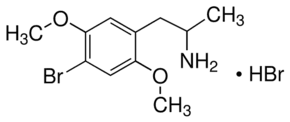
(±)-2,5-Dimethoxy-4-bromoamphetamine hydrobromide
Biochemicals & Reagents
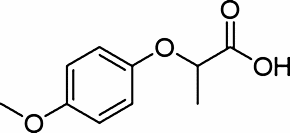
(±)-2-(p-Methoxyphenoxy)propionic acid
C10H12O4
Biochemicals & Reagents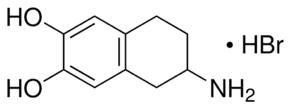
(±)-2-Amino-6,7-dihydroxy-1,2,3,4-tetrahydronaphthalene hydrobromide
C10H13NO2·HBr
Biochemicals & Reagents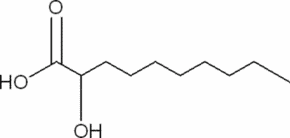
(±)-2-Hydroxydecanoic acid
C10H20O3
Biochemicals & Reagents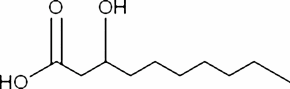
(±)-3-Hydroxydecanoic acid
C10H20O3
Biochemicals & Reagents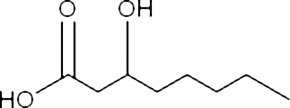
(±)-3-Hydroxyoctanoic acid
C8H16O3
Biochemicals & Reagents▶ Explore more

Bis(cyclopentadienyl)cobalt(III) hexafluorophosphate
C10H10CoF6P
Catalysis & Inorganic
1-(4-Chlorophenyl)biguanide hydrochloride
ClC6H4NHC(NH)NHC(NH)NH2 · HCl
Chemical Synthesis
Bis(cyclopentadienyl)dimethylzirconium(IV)
Catalysis & Inorganic

1-(4-Chlorophenyl)ethanol
ClC6H4CH(CH3)OH
Chemical Synthesis