
N-tert-Butyl-O-[1-[4-(chloromethyl)phenyl]ethyl]-N-(2-methyl-1-phenylpropyl)hydroxylamine
N-tert-Butyl-O-[1-[4-(chloromethyl)phenyl]ethyl]-N-(2-methyl-1-phenylpropyl)hydroxylamine (CAS: 227000-85-3) is a key alkoxyamine initiator designed for nitroxide-mediated polymerization (NMP). This compound facilitates controlled radical polymerization, enabling the synthesis of polymers with defined molecular weights and architectures. It is particularly effective for initiating the polymerization of styrene and acrylate monomers, contributing to advancements in polymer science and materials development.
- IUPAC
- Alkoxyamine NMP initiator
![N-tert-Butyl-O-[1-[4-(chloromethyl)phenyl]ethyl]-N-(2-methyl-1-phenylpropyl)hydroxylamine (C23H32ClNO) — chemical structure, CAS 227000-85-3; Chemistry, fine chemical supplied by Tech Serve Solutions](/_next/image?url=https%3A%2F%2Fpub-f4d920c906024441a773a96f7098e551.r2.dev%2Fimages%2Fproducts%2F227000-85-3.png&w=3840&q=75)
Nitroxide-Mediated Polymerization (NMP)
Serves as a functional alkoxyamine initiator for controlled radical polymerization techniques, specifically NMP. It allows for precise control over polymer chain growth, leading to well-defined polymer structures.
Styrenic Polymer Synthesis
Effectively initiates the polymerization of styrene and its derivatives, producing polymers with narrow molecular weight distributions and controlled architectures.
Acrylate Polymer Synthesis
Suitable for the controlled polymerization of acrylate monomers, enabling the synthesis of advanced acrylic-based polymers for various material applications.
Materials Science
Its ability to create polymers with tailored properties makes it a valuable reagent in materials science for developing novel functional materials.
| Molecular weight | 373.96 |
|---|---|
| Empirical formula | C23H32ClNO |
| Form | solid |
| Storage temperature | −20°C |
| Application | Functional alkoxyamine initiator for nitroxide-mediated living radical polymerization (NMP initiator). Particularly useful for synthesis of styrene and acrylate polymers and co-polymers. |
| Melting point | 43-47 °C |


Hazard statements
- H272May intensify fire; oxidiser
- H314Causes severe skin burns and eye damage
Precautionary statements
- P220Keep away from clothing and combustible materials
- P280Wear protective gloves, clothing and eye/face protection
- P305IF IN EYES
- P310Immediately call a POISON CENTER or doctor
| Flash point | >110 °C / >230 °F |
|---|---|
| Transport (UN / ADR) | UN 3085 8(5.1) / PGIII |
| Water hazard class (WGK, DE) | 3 |
| Hazard codes (EU) | O,C |
| Risk statements (R) | 8-34 |
| Safety statements (S) | 17-26-36/37/39-45 |
Hazard information is provided for guidance. Always consult the product Safety Data Sheet (SDS), available on request, before handling.
Documentation
Every batch ships with a Certificate of Analysis covering assay, identity and purity; the grade is confirmed against your enquiry. Safety Data Sheets and technical data sheets are available on request.
Supply & logistics
Samples for technical evaluation; bulk MOQ by grade and packaging. In-stock material ships in 7–10 working days, worldwide, with full export documentation.
What is N-tert-Butyl-O-[1-[4-(chloromethyl)phenyl]ethyl]-N-(2-methyl-1-phenylpropyl)hydroxylamine used for?
+
This compound is an alkoxyamine initiator specifically designed for nitroxide-mediated living radical polymerization (NMP), particularly for styrene and acrylate polymers and co-polymers.
What is the CAS number and molecular formula?
+
The CAS number is 227000-85-3 and the empirical formula is C23H32ClNO with a molecular weight of 373.96 g/mol.
What grade and purity does Tech Serve Solutions supply?
+
Tech Serve Solutions supplies this chemical as a research-grade material. The exact purity/assay is available on the product's specification sheet. We do not represent this product as USP, BP, EP, or any other pharmacopoeia grade.
What are the main safety concerns for this chemical?
+
This product is classified as Dangerous Goods. It is an oxidizer (GHS03) and corrosive (GHS05), indicated by Danger signal word and hazard statements H272 (May intensify fire; oxidizer) and H314 (Causes severe skin burns and eye damage). Handle with extreme caution, wearing appropriate personal protective equipment, and follow all safety instructions.
How is this chemical packed, shipped, and exported?
+
This chemical is classified as UN 3085, Hazard Class 8 (Corrosive) with a subsidiary Hazard Class 5.1 (Oxidizer), Packing Group III. TSS exports globally, adhering to all relevant transportation and customs regulations for hazardous materials.
How can I request a sample or quote?
+
To request a sample or a quotation, please contact our sales team through the website or via the provided contact details, specifying the product name and CAS number.
▶ Related products
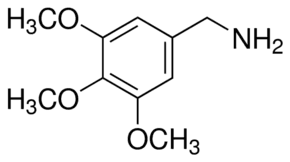
3,4,5-Trimethoxybenzylamine
Organic Building Blocks
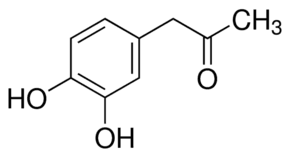
3,4-dihydroxyphenylacetone
Organic Building Blocks
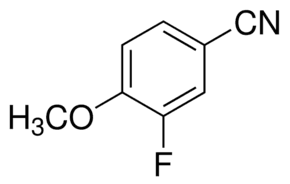
3-Fluoro-4-methoxybenzonitrile
C8H6FNO
Organic Building Blocks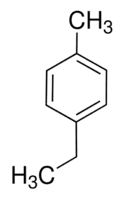
4-Ethyltoluene
C2H5C6H4CH3
Organic Building Blocks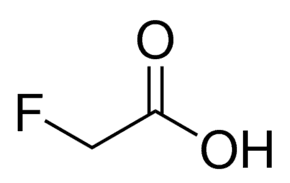
Fluoroacetic acid
C2H3FO2
Organic Building Blocks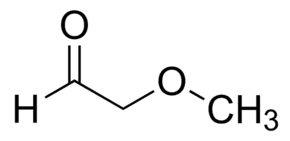
Methoxyacetaldehyde
C3H6O2
Organic Building Blocks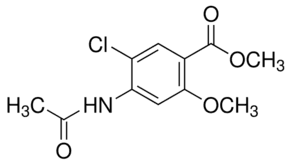
Methyl 4-acetamido-5-chloro-2-methoxybenzoate
Organic Building Blocks
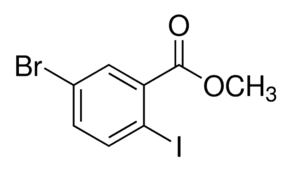
Methyl 5-bromo-2-iodobenzoate
BrC6H3(I)CO2CH3
Organic Building Blocks▶ Explore more

Bis(cyclopentadienyl)cobalt(III) hexafluorophosphate
C10H10CoF6P
Catalysis & Inorganic
1-(4-Chlorophenyl)biguanide hydrochloride
ClC6H4NHC(NH)NHC(NH)NH2 · HCl
Chemical Synthesis
Bis(cyclopentadienyl)dimethylzirconium(IV)
Catalysis & Inorganic

1-(4-Chlorophenyl)ethanol
ClC6H4CH(CH3)OH
Chemical Synthesis