
N-Propargylphthalimide
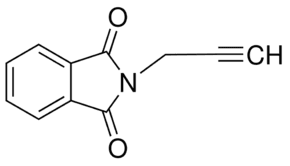
N-Propargylphthalimide (CAS 7223-50-9), with the molecular formula C11H7NO2 and a molecular weight of 185.18 g/mol, is a valuable organic building block. This compound features a terminal alkyne functional group, making it highly reactive in various synthetic transformations. It is primarily employed in chemical synthesis for the construction of more complex molecules. The material is supplied at an assay of 97%.
Organic Synthesis Intermediate
N-Propargylphthalimide serves as a key intermediate in organic synthesis. Its terminal alkyne moiety readily participates in reactions such as click chemistry (e.g., azide-alkyne cycloadditions) and Sonogashira couplings, enabling the formation of carbon-carbon and carbon-heteroatom bonds.
Building Block for Heterocycles
This compound is utilized in the synthesis of various heterocyclic compounds. The phthalimide group can act as a protecting group for the amine functionality, which can be deprotected under specific conditions, while the propargyl group offers a handle for further functionalization.
Research and Development
N-Propargylphthalimide is a useful reagent in academic and industrial research laboratories for exploring new synthetic methodologies and developing novel chemical entities with potential applications in materials science and medicinal chemistry.
| Molecular weight | 185.18 |
|---|---|
| Empirical formula | C11H7NO2 |
| Assay | 97% |
| Melting point | 148-152 °C |

Hazard statements
- H302Harmful if swallowed
- H319Causes serious eye irritation
Precautionary statements
- P305IF IN EYES
| Protective equipment | dust mask type N95 (US), Eyeshields, Gloves |
|---|---|
| Water hazard class (WGK, DE) | 3 |
| Hazard codes (EU) | Xn |
| Risk statements (R) | 22-36 |
| Safety statements (S) | 26 |
Hazard information is provided for guidance. Always consult the product Safety Data Sheet (SDS), available on request, before handling.
Documentation
Every batch ships with a Certificate of Analysis covering assay, identity and purity; the grade is confirmed against your enquiry. Safety Data Sheets and technical data sheets are available on request.
Supply & logistics
Samples for technical evaluation; bulk MOQ by grade and packaging. In-stock material ships in 7–10 working days, worldwide, with full export documentation.
What is N-Propargylphthalimide used for?
+
N-Propargylphthalimide is primarily used as an intermediate in organic synthesis and as a building block for creating more complex molecules, particularly in research and development settings.
What are the CAS number and formula for N-Propargylphthalimide?
+
The CAS number for N-Propargylphthalimide is 7223-50-9, and its empirical formula is C11H7NO2.
What grade and purity does Tech Serve Solutions supply?
+
Tech Serve Solutions supplies N-Propargylphthalimide with an assay of 97%. This is a technical/research grade material, and we do not represent it as USP, BP, or EP grade.
How should N-Propargylphthalimide be handled safely?
+
N-Propargylphthalimide is classified as harmful if swallowed and causes serious eye irritation. When handling, it is recommended to wear a dust mask type N95 (US), eyeshields, and gloves. Ensure adequate ventilation. In case of contact with eyes, rinse cautiously with water for several minutes, removing contact lenses if present and easy to do. Continue rinsing.
Is N-Propargylphthalimide a controlled substance?
+
The provided data does not indicate that N-Propargylphthalimide is a controlled substance.
How is N-Propargylphthalimide packed and shipped?
+
N-Propargylphthalimide is carefully packed to ensure stability during transit and is available for export globally by Tech Serve Solutions.
How can I request a sample or quote for N-Propargylphthalimide?
+
To request a sample or a quote for N-Propargylphthalimide, please contact the Tech Serve Solutions sales team through our website or by phone.
▶ Related products
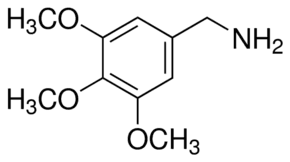
3,4,5-Trimethoxybenzylamine
Organic Building Blocks
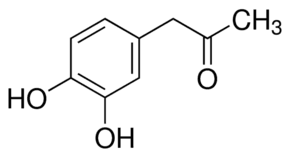
3,4-dihydroxyphenylacetone
Organic Building Blocks
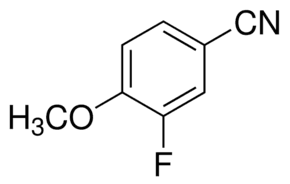
3-Fluoro-4-methoxybenzonitrile
C8H6FNO
Organic Building Blocks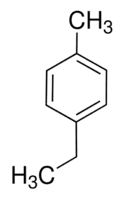
4-Ethyltoluene
C2H5C6H4CH3
Organic Building Blocks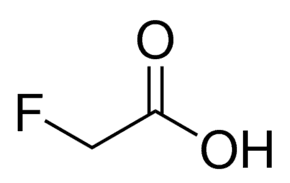
Fluoroacetic acid
C2H3FO2
Organic Building Blocks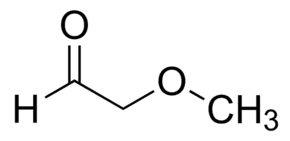
Methoxyacetaldehyde
C3H6O2
Organic Building Blocks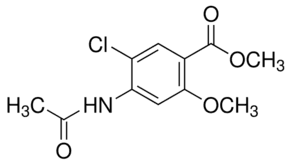
Methyl 4-acetamido-5-chloro-2-methoxybenzoate
Organic Building Blocks
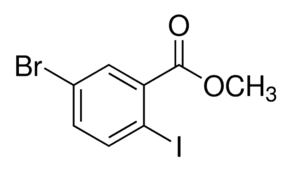
Methyl 5-bromo-2-iodobenzoate
BrC6H3(I)CO2CH3
Organic Building Blocks▶ Explore more

Bis(cyclopentadienyl)cobalt(III) hexafluorophosphate
C10H10CoF6P
Catalysis & Inorganic
1-(4-Chlorophenyl)biguanide hydrochloride
ClC6H4NHC(NH)NHC(NH)NH2 · HCl
Chemical Synthesis
Bis(cyclopentadienyl)dimethylzirconium(IV)
Catalysis & Inorganic

1-(4-Chlorophenyl)ethanol
ClC6H4CH(CH3)OH
Chemical Synthesis