
N-Phenylurea
N-Phenylurea (CAS 64-10-8), with the linear formula C<sub>6</sub>H<sub>5</sub>NHCONH<sub>2</sub> and a molecular weight of 136.15 g/mol, is a versatile organic compound. It functions as a key building block in chemical synthesis and finds application in cell biology research. This compound is a phenyl derivative of urea, featuring a phenyl group attached to one of the nitrogen atoms.
- IUPAC
- Phenylcarbamide
- Synonyms
- PhenylcarbamideUrea, 1-phenyl-

Organic Synthesis Intermediate
N-Phenylurea serves as a valuable intermediate in the synthesis of various organic molecules. Its structure allows for further chemical modifications, making it useful in constructing more complex compounds for research and development.
Cell Biology Research
As a bioactive small molecule, N-Phenylurea is employed in cell biology studies. It can be used to investigate cellular processes or as a tool compound in biochemical assays.
Building Block for Heterocycles
The compound is a useful starting material for the preparation of heterocyclic compounds, which are prevalent in pharmaceuticals and agrochemicals.
| Molecular weight | 136.15 |
|---|---|
| Linear formula | C6H5NHCONH2 |
| Assay | 97% |
| Grade | Vetec™ reagent grade |
| Vapour density | >1 (vs air) |
| Melting point | 145-147 °C(lit.) |

Hazard statements
- H302Harmful if swallowed
| Water hazard class (WGK, DE) | 3 |
|---|---|
| Hazard codes (EU) | Xn |
| Risk statements (R) | 22 |
Hazard information is provided for guidance. Always consult the product Safety Data Sheet (SDS), available on request, before handling.
Documentation
Every batch ships with a Certificate of Analysis covering assay, identity and purity; the grade is confirmed against your enquiry. Safety Data Sheets and technical data sheets are available on request.
Supply & logistics
Samples for technical evaluation; bulk MOQ by grade and packaging. In-stock material ships in 7–10 working days, worldwide, with full export documentation.
What is N-Phenylurea used for?
+
N-Phenylurea is used as a building block in chemical synthesis and in cell biology research. It is particularly useful for synthesizing other organic molecules and heterocyclic compounds.
What is the CAS number and chemical formula for N-Phenylurea?
+
The CAS number for N-Phenylurea is 64-10-8, and its linear formula is C₆H₅NHCONH₂.
What grade and purity does Tech Serve Solutions supply?
+
Tech Serve Solutions supplies N-Phenylurea in Vetec™ reagent grade with an assay of 97%. TSS does not represent this product as USP, BP, or EP grade.
How should N-Phenylurea be handled?
+
N-Phenylurea is harmful if swallowed (H302). Handle with appropriate personal protective equipment, such as gloves and eye protection, in a well-ventilated area. Consult the Safety Data Sheet for detailed handling and safety information.
Is N-Phenylurea a controlled substance?
+
Based on the provided data, N-Phenylurea (CAS 64-10-8) is not indicated as a controlled substance. Please refer to local regulations for specific guidance.
How is N-Phenylurea packed and exported?
+
N-Phenylurea is typically packed in robust containers suitable for chemical transport and is exported globally by TSS. Specific packaging details are available upon request.
How can I request a quote or sample of N-Phenylurea?
+
To request a quote or a sample of N-Phenylurea, please contact the TSS sales team via our website or by phone, providing the product name and CAS number.
▶ Related products
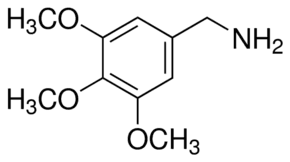
3,4,5-Trimethoxybenzylamine
Organic Building Blocks
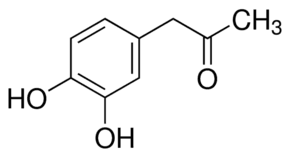
3,4-dihydroxyphenylacetone
Organic Building Blocks
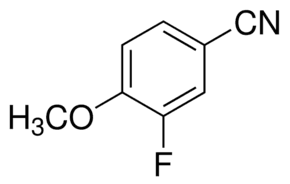
3-Fluoro-4-methoxybenzonitrile
C8H6FNO
Organic Building Blocks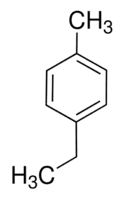
4-Ethyltoluene
C2H5C6H4CH3
Organic Building Blocks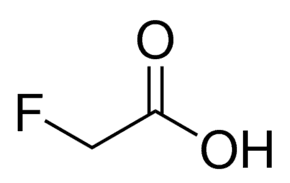
Fluoroacetic acid
C2H3FO2
Organic Building Blocks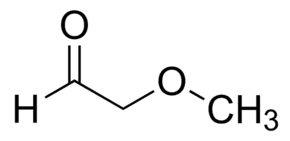
Methoxyacetaldehyde
C3H6O2
Organic Building Blocks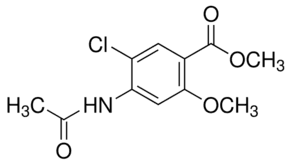
Methyl 4-acetamido-5-chloro-2-methoxybenzoate
Organic Building Blocks
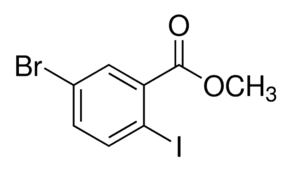
Methyl 5-bromo-2-iodobenzoate
BrC6H3(I)CO2CH3
Organic Building Blocks▶ Explore more

Bis(cyclopentadienyl)cobalt(III) hexafluorophosphate
C10H10CoF6P
Catalysis & Inorganic
1-(4-Chlorophenyl)biguanide hydrochloride
ClC6H4NHC(NH)NHC(NH)NH2 · HCl
Chemical Synthesis
Bis(cyclopentadienyl)dimethylzirconium(IV)
Catalysis & Inorganic

1-(4-Chlorophenyl)ethanol
ClC6H4CH(CH3)OH
Chemical Synthesis