
N,N-Dimethylcyclohexylamine
N,N-Dimethylcyclohexylamine (CAS 98-94-2), a tertiary amine with the molecular formula C8H17N and a molecular weight of 127.23 g/mol, is supplied by Tech Serve Solutions. This chemical is recognised for its role as a switchable hydrophilicity solvent (SHS) and as a catalyst in organic synthesis. It serves as a valuable building block in chemical research and development.
- IUPAC
- Cyclohexyldimethylamine,Dimethylaminocyclohexane
- Synonyms
- CyclohexyldimethylamineDimethylaminocyclohexane

Switchable Hydrophilicity Solvent (SHS)
N,N-Dimethylcyclohexylamine has been employed as a switchable hydrophilicity solvent (SHS) for the efficient extraction of lipids from freeze-dried microalgae, a process relevant to biofuel production.
Catalyst in Organic Synthesis
This compound functions as a catalyst in various organic reactions. Notably, it has been used as a catalyst in a three-component organocatalyzed Strecker reaction performed in water.
Chemical Building Block
As an organic building block, N,N-Dimethylcyclohexylamine is utilised in chemical synthesis, contributing to the development of new compounds and materials in research laboratories.
| Molecular weight | 127.23 |
|---|---|
| Linear formula | C6H11N(CH3)2 |
| Assay | 99% |
| Boiling point | 158-159 °C(lit.) |
| Density | 0.849 g/mL at 25 °C(lit.) |
| Refractive index | n20/D 1.454(lit.) |
| Vapour pressure | 3.6 mmHg (20 °C) |
| Autoignition temp | 419 °F |
| Application | N,N-Dimethylcyclohexylamine has been used:• as switchable hydrophilicity solvent (SHS) for the extraction of lipids from freeze-dried samples of Botryococcus braunii microalgae for biofuel production1• as catalyst in three-component organocatalyzed Strecker reaction on water2 |


Hazard statements
- H226Flammable liquid and vapour
- H302Harmful if swallowed
- H311Toxic in contact with skin
- H314Causes severe skin burns and eye damage
- H330Fatal if inhaled
- H400Very toxic to aquatic life
Precautionary statements
- P260Do not breathe dust, fume, gas, mist, vapours or spray
- P273Avoid release to the environment
- P280Wear protective gloves, clothing and eye/face protection
- P284Wear respiratory protection
- P305IF IN EYES
- P310Immediately call a POISON CENTER or doctor
| Protective equipment | Faceshields, full-face respirator (US), Gloves, Goggles, multi-purpose combination respirator cartridge (US), type ABEK (EN14387) respirator filter |
|---|---|
| Flash point | 39 °C / 102.2 °F |
| Transport (UN / ADR) | UN 2264 8(3) / PGII |
| Water hazard class (WGK, DE) | 1 |
| Hazard codes (EU) | C,N |
| Risk statements (R) | 10-20/21/22-34-50/53 |
| Safety statements (S) | 26-28-36/37/39-45-61 |
Hazard information is provided for guidance. Always consult the product Safety Data Sheet (SDS), available on request, before handling.
Documentation
Every batch ships with a Certificate of Analysis covering assay, identity and purity; the grade is confirmed against your enquiry. Safety Data Sheets and technical data sheets are available on request.
Supply & logistics
Samples for technical evaluation; bulk MOQ by grade and packaging. In-stock material ships in 7–10 working days, worldwide, with full export documentation.
What is N,N-Dimethylcyclohexylamine used for?
+
N,N-Dimethylcyclohexylamine is used as a switchable hydrophilicity solvent (SHS) for lipid extraction and as a catalyst in organic synthesis, such as the Strecker reaction.
What are the CAS number and molecular formula for N,N-Dimethylcyclohexylamine?
+
The CAS number for N,N-Dimethylcyclohexylamine is 98-94-2, and its molecular formula is C8H17N (linear formula C6H11N(CH3)2).
What grade and purity does Tech Serve Solutions supply?
+
Tech Serve Solutions supplies N,N-Dimethylcyclohexylamine with a minimum assay of 99%. We do not represent this product as USP, BP, or EP grade.
What are the primary safety hazards associated with N,N-Dimethylcyclohexylamine?
+
N,N-Dimethylcyclohexylamine is a dangerous substance. It is flammable (H226), harmful if swallowed (H302), toxic in contact with skin (H311), causes severe skin burns and eye damage (H314), is fatal if inhaled (H330), and is very toxic to aquatic life (H400). Always handle with appropriate personal protective equipment, including gloves, goggles, and respiratory protection.
How is N,N-Dimethylcyclohexylamine packed, shipped, or exported?
+
N,N-Dimethylcyclohexylamine is shipped as a UN 2264, hazard class 8(3), packing group II, under regulations for flammable liquids and corrosive substances. Specific packaging will comply with international shipping regulations.
How can I request a quote or sample for N,N-Dimethylcyclohexylamine?
+
To request a quote or sample, please contact our sales department through the Tech Serve Solutions website or by telephone, providing your specific requirements.
▶ Related products
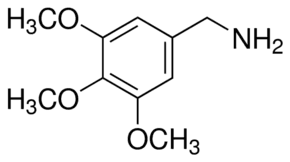
3,4,5-Trimethoxybenzylamine
Organic Building Blocks
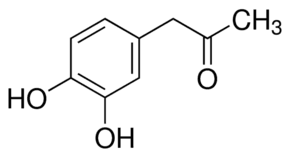
3,4-dihydroxyphenylacetone
Organic Building Blocks
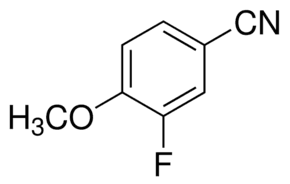
3-Fluoro-4-methoxybenzonitrile
C8H6FNO
Organic Building Blocks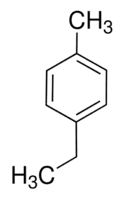
4-Ethyltoluene
C2H5C6H4CH3
Organic Building Blocks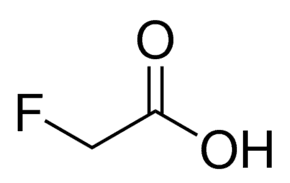
Fluoroacetic acid
C2H3FO2
Organic Building Blocks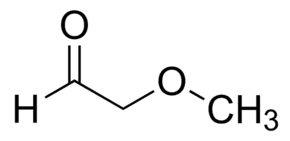
Methoxyacetaldehyde
C3H6O2
Organic Building Blocks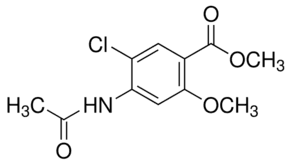
Methyl 4-acetamido-5-chloro-2-methoxybenzoate
Organic Building Blocks
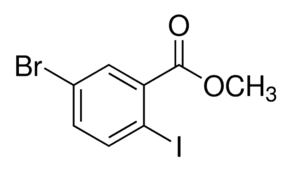
Methyl 5-bromo-2-iodobenzoate
BrC6H3(I)CO2CH3
Organic Building Blocks▶ Explore more

Bis(cyclopentadienyl)cobalt(III) hexafluorophosphate
C10H10CoF6P
Catalysis & Inorganic
1-(4-Chlorophenyl)biguanide hydrochloride
ClC6H4NHC(NH)NHC(NH)NH2 · HCl
Chemical Synthesis
Bis(cyclopentadienyl)dimethylzirconium(IV)
Catalysis & Inorganic

1-(4-Chlorophenyl)ethanol
ClC6H4CH(CH3)OH
Chemical Synthesis