
N-Ethylurethane
N-Ethylurethane (CAS: 623-78-9), a carbamic acid ethyl ester with a molecular weight of 117.15 g/mol, is a versatile organic compound. It serves as a valuable building block in chemical synthesis, particularly within nitrogen compound and protected amine chemistry. Its applications span research laboratories and industrial processes requiring precise organic intermediates. TSS offers this compound at a high purity level, suitable for demanding synthetic applications.
- IUPAC
- Ethyl N-ethylcarbamate
- Synonyms
- Ethyl N-ethylcarbamate
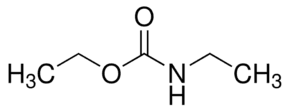
Organic Synthesis Intermediate
N-Ethylurethane functions as a key intermediate in the synthesis of more complex organic molecules. Its structure allows for further chemical modifications, making it useful in multi-step synthetic pathways.
Building Block for Nitrogen Compounds
As a nitrogen-containing organic molecule, it is employed in the construction of various nitrogenous compounds. This is particularly relevant in the development of novel chemical entities and pharmaceutical precursors.
Protected Amine Precursor
The carbamate functionality in N-Ethylurethane can act as a protecting group for amines. This property is utilised in synthetic strategies where selective protection and deprotection of amino groups are required.
| Molecular weight | 117.15 |
|---|---|
| Linear formula | C2H5NHCO2C2H5 |
| Assay | 99% |
| Boiling point | 85 °C/20 mmHg(lit.) |
| Density | 0.981 g/mL at 25 °C(lit.) |
| Refractive index | n20/D 1.421(lit.) |


Hazard statements
- H315Causes skin irritation
- H319Causes serious eye irritation
- H335May cause respiratory irritation
- H351Suspected of causing cancer
Precautionary statements
- P261Avoid breathing dust, fume, gas or vapours
- P281Use personal protective equipment as required
- P305IF IN EYES
| Flash point | 76 °C / 168.8 °F |
|---|---|
| Transport (UN / ADR) | UN 1993 / PGIII |
| Water hazard class (WGK, DE) | 3 |
| Hazard codes (EU) | Xn,Xi |
| Risk statements (R) | 36/37/38-40 |
| Safety statements (S) | 26-36/37 |
Hazard information is provided for guidance. Always consult the product Safety Data Sheet (SDS), available on request, before handling.
Documentation
Every batch ships with a Certificate of Analysis covering assay, identity and purity; the grade is confirmed against your enquiry. Safety Data Sheets and technical data sheets are available on request.
Supply & logistics
Samples for technical evaluation; bulk MOQ by grade and packaging. In-stock material ships in 7–10 working days, worldwide, with full export documentation.
What is N-Ethylurethane used for?
+
N-Ethylurethane is primarily used as a building block and intermediate in organic synthesis, particularly for nitrogen compounds and as a protected amine precursor in chemical research and development.
What are the CAS number and formula for N-Ethylurethane?
+
The CAS number for N-Ethylurethane is 623-78-9 and its linear formula is C2H5NHCO2C2H5.
What grade and purity does Tech Serve Solutions supply?
+
Tech Serve Solutions supplies N-Ethylurethane with an assay of 99%. We do not represent this product as USP, BP, EP, or pharmacopoeia grade.
How should N-Ethylurethane be handled safely?
+
N-Ethylurethane is classified with GHS07 and GHS08 symbols and a Warning signal word, presenting hazards H315 (causes skin irritation), H319 (causes serious eye irritation), H335 (may cause respiratory irritation), and H351 (suspected of causing cancer). Handle with appropriate personal protective equipment in a well-ventilated area, avoiding contact with skin, eyes, and clothing.
How is N-Ethylurethane packed and shipped?
+
N-Ethylurethane is shipped under UN 1993, Packing Group III. Specific packaging details for export are available upon request. TSS is a global supplier and exporter.
How can I request a sample or quote for N-Ethylurethane?
+
To request a sample or quote for N-Ethylurethane, please contact the TSS sales team through our website or via email, providing your contact details and desired quantity.
▶ Related products
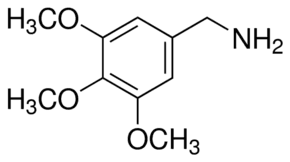
3,4,5-Trimethoxybenzylamine
Organic Building Blocks
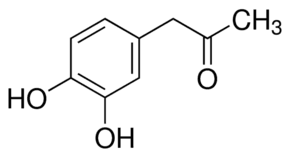
3,4-dihydroxyphenylacetone
Organic Building Blocks
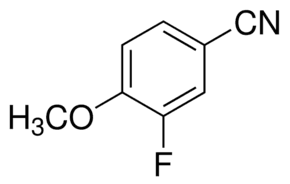
3-Fluoro-4-methoxybenzonitrile
C8H6FNO
Organic Building Blocks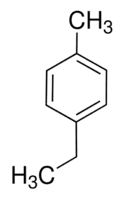
4-Ethyltoluene
C2H5C6H4CH3
Organic Building Blocks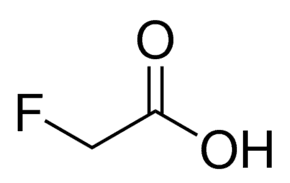
Fluoroacetic acid
C2H3FO2
Organic Building Blocks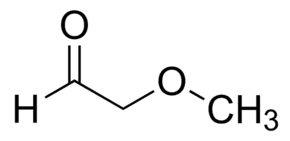
Methoxyacetaldehyde
C3H6O2
Organic Building Blocks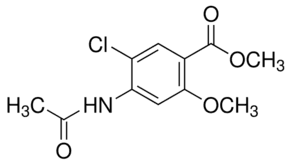
Methyl 4-acetamido-5-chloro-2-methoxybenzoate
Organic Building Blocks
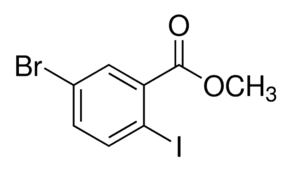
Methyl 5-bromo-2-iodobenzoate
BrC6H3(I)CO2CH3
Organic Building Blocks▶ Explore more

Bis(cyclopentadienyl)cobalt(III) hexafluorophosphate
C10H10CoF6P
Catalysis & Inorganic
1-(4-Chlorophenyl)biguanide hydrochloride
ClC6H4NHC(NH)NHC(NH)NH2 · HCl
Chemical Synthesis
Bis(cyclopentadienyl)dimethylzirconium(IV)
Catalysis & Inorganic

1-(4-Chlorophenyl)ethanol
ClC6H4CH(CH3)OH
Chemical Synthesis