
N-Cyanoacetylurethane
N-Cyanoacetylurethane (CAS 6629-04-5), with the linear formula NCCH₂CONHCO₂C₂H₅ and a molecular weight of 156.14 g/mol, is a valuable organic compound. It serves as a versatile building block in chemical synthesis. Primarily utilised in the creation of more complex molecules, it finds applications in research and development across various chemical sectors. Its specific structure makes it useful for introducing the cyanoacetyl group into organic structures.
- IUPAC
- Ethyl cyanoacetylcarbamate
- Synonyms
- Ethyl cyanoacetylcarbamate

Organic Synthesis Intermediate
N-Cyanoacetylurethane is employed as a key intermediate in the synthesis of diverse organic compounds. Its reactive functional groups allow for various chemical transformations, facilitating the construction of complex molecular frameworks.
Research and Development
This compound is utilised in laboratory settings for research purposes, enabling chemists to explore novel synthetic routes and develop new chemical entities. Its availability supports academic and industrial R&D efforts.
Building Block for Heterocycles
The structure of N-Cyanoacetylurethane makes it suitable for incorporation into various heterocyclic ring systems, which are prevalent in pharmaceuticals and agrochemicals.
| Molecular weight | 156.14 |
|---|---|
| Linear formula | NCCH2CONHCO2C2H5 |
| Assay | 98% |
| Melting point | 167-169 °C(lit.) |

Hazard statements
- H302Harmful if swallowed
- H312Harmful in contact with skin
- H315Causes skin irritation
- H319Causes serious eye irritation
- H332Harmful if inhaled
- H335May cause respiratory irritation
Precautionary statements
- P261Avoid breathing dust, fume, gas or vapours
- P280Wear protective gloves, clothing and eye/face protection
- P305IF IN EYES
| Protective equipment | dust mask type N95 (US), Eyeshields, Gloves |
|---|---|
| Water hazard class (WGK, DE) | 3 |
| Hazard codes (EU) | Xn |
| Risk statements (R) | 20/21/22-36/37/38 |
| Safety statements (S) | 26-37/39 |
Hazard information is provided for guidance. Always consult the product Safety Data Sheet (SDS), available on request, before handling.
Documentation
Every batch ships with a Certificate of Analysis covering assay, identity and purity; the grade is confirmed against your enquiry. Safety Data Sheets and technical data sheets are available on request.
Supply & logistics
Samples for technical evaluation; bulk MOQ by grade and packaging. In-stock material ships in 7–10 working days, worldwide, with full export documentation.
What is N-Cyanoacetylurethane used for?
+
N-Cyanoacetylurethane is primarily used as an intermediate in organic synthesis and as a building block in research and development for creating more complex organic molecules.
What is the CAS number and formula for N-Cyanoacetylurethane?
+
The CAS number for N-Cyanoacetylurethane is 6629-04-5 and its linear formula is NCCH₂CONHCO₂C₂H₅.
What grade and purity does Tech Serve Solutions supply?
+
Tech Serve Solutions supplies N-Cyanoacetylurethane with a minimum assay of 98%. We do not represent this product as USP, BP, EP, or any other pharmacopoeia grade.
How should N-Cyanoacetylurethane be handled safely?
+
Handle N-Cyanoacetylurethane with appropriate personal protective equipment, including a dust mask (type N95 or equivalent), eyeshields, and gloves. Ensure adequate ventilation and avoid breathing dust. It is classified as harmful if swallowed, in contact with skin, or if inhaled, and causes skin and eye irritation, and respiratory irritation (H302, H312, H332, H315, H319, H335).
How is N-Cyanoacetylurethane packed, shipped, and exported?
+
N-Cyanoacetylurethane is carefully packed in compliance with international shipping regulations. Tech Serve Solutions is experienced in exporting fine chemicals globally to meet diverse customer needs.
How can I request a quote or sample of N-Cyanoacetylurethane?
+
To request a quote or a sample of N-Cyanoacetylurethane, please contact our sales department via the website or provide your details through the 'Request Information' portal.
▶ Related products
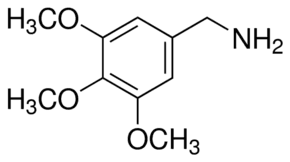
3,4,5-Trimethoxybenzylamine
Organic Building Blocks
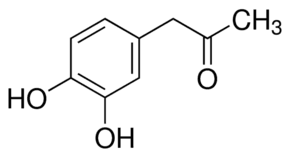
3,4-dihydroxyphenylacetone
Organic Building Blocks
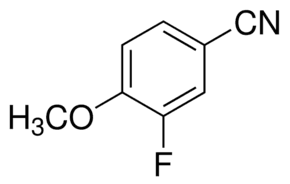
3-Fluoro-4-methoxybenzonitrile
C8H6FNO
Organic Building Blocks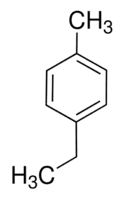
4-Ethyltoluene
C2H5C6H4CH3
Organic Building Blocks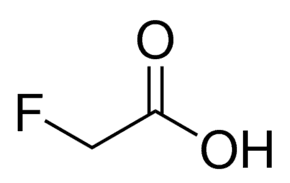
Fluoroacetic acid
C2H3FO2
Organic Building Blocks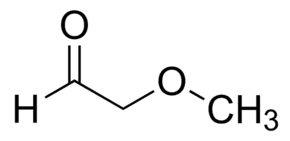
Methoxyacetaldehyde
C3H6O2
Organic Building Blocks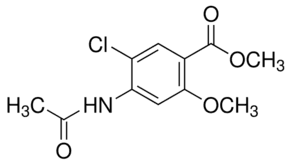
Methyl 4-acetamido-5-chloro-2-methoxybenzoate
Organic Building Blocks
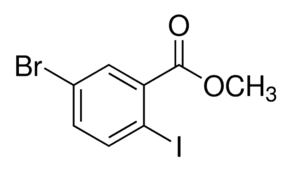
Methyl 5-bromo-2-iodobenzoate
BrC6H3(I)CO2CH3
Organic Building Blocks▶ Explore more

Bis(cyclopentadienyl)cobalt(III) hexafluorophosphate
C10H10CoF6P
Catalysis & Inorganic
1-(4-Chlorophenyl)biguanide hydrochloride
ClC6H4NHC(NH)NHC(NH)NH2 · HCl
Chemical Synthesis
Bis(cyclopentadienyl)dimethylzirconium(IV)
Catalysis & Inorganic

1-(4-Chlorophenyl)ethanol
ClC6H4CH(CH3)OH
Chemical Synthesis