N-Acetylsulfanilyl chloride
N-Acetylsulfanilyl chloride (CAS: 121-60-8), also known as 4-Acetamidobenzenesulfonyl chloride, is a critical organic building block with the molecular formula C8H8ClNO3S and a molecular weight of 233.67 g/mol. This compound serves as a key intermediate in various chemical syntheses, notably in the pharmaceutical sector for the development of analytical standards and novel therapeutic agents. Its reactivity makes it valuable for introducing the sulfonyl chloride functional group into organic molecules.
- IUPAC
- 4-Acetamidobenzenesulfonyl chloride
- Synonyms
- 4-Acetamidobenzenesulfonyl chloride

Analytical Standard Synthesis
N-Acetylsulfanilyl chloride is utilised in the synthesis of N1,N1-dimethylsulfanilamide, which acts as an internal standard in analytical reactions. This application is crucial for the accurate determination of pharmaceutical compounds like tramadol and its metabolites in biological matrices such as blood plasma.
Organic Synthesis Intermediate
As a versatile sulfonyl halide, this compound is employed in organic synthesis to create a range of sulfonamide derivatives. These derivatives can possess diverse biological activities, making N-Acetylsulfanilyl chloride a valuable precursor in drug discovery and development programmes.
Research and Development
Its specific chemical structure and reactivity profile make N-Acetylsulfanilyl chloride a useful reagent in academic and industrial research settings for exploring new synthetic methodologies and developing novel chemical entities.
| Molecular weight | 233.67 |
|---|---|
| Linear formula | 4-(CH3CONH)C6H4SO2Cl |
| Assay | 98% |
| Application | N-Acetylsulfanilyl chloride is used in the synthesis of N1,N1-dimethylsulfanilamide as the internal standard in the reaction. The reaction is used to determine tramadol and its O-desmethylated metabolite in blood plasma1. |
| Melting point | 142-145 °C (dec.)(lit.) |


Hazard statements
- H314Causes severe skin burns and eye damage
- H335May cause respiratory irritation
Precautionary statements
- P261Avoid breathing dust, fume, gas or vapours
- P280Wear protective gloves, clothing and eye/face protection
- P305IF IN EYES
- P310Immediately call a POISON CENTER or doctor
| Protective equipment | Eyeshields, Faceshields, full-face particle respirator type N100 (US), Gloves, respirator cartridge type N100 (US), type P1 (EN143) respirator filter, type P3 (EN 143) respirator cartridges |
|---|---|
| Transport (UN / ADR) | UN 3261 8 / PGII |
| Water hazard class (WGK, DE) | 3 |
| Hazard codes (EU) | C |
| Risk statements (R) | 34-37 |
| Safety statements (S) | 26-36/37/39-45 |
Hazard information is provided for guidance. Always consult the product Safety Data Sheet (SDS), available on request, before handling.
Documentation
Every batch ships with a Certificate of Analysis covering assay, identity and purity; the grade is confirmed against your enquiry. Safety Data Sheets and technical data sheets are available on request.
Supply & logistics
Samples for technical evaluation; bulk MOQ by grade and packaging. In-stock material ships in 7–10 working days, worldwide, with full export documentation.
What is N-Acetylsulfanilyl chloride used for?
+
N-Acetylsulfanilyl chloride (CAS: 121-60-8) is primarily used as an intermediate in organic synthesis, particularly in the preparation of analytical standards for pharmaceuticals like tramadol. It also serves as a building block in research and development for creating novel sulfonamide derivatives.
What are the CAS number and chemical formula for N-Acetylsulfanilyl chloride?
+
The CAS number for N-Acetylsulfanilyl chloride is 121-60-8. Its linear formula is 4-(CH3CONH)C6H4SO2Cl.
What grade and purity does Tech Serve Solutions supply for N-Acetylsulfanilyl chloride?
+
Tech Serve Solutions supplies N-Acetylsulfanilyl chloride with an assay of 98%. We do not represent this product as USP, BP, EP, or any other pharmacopoeia grade unless explicitly stated. It is suitable for research and chemical synthesis applications.
How should N-Acetylsulfanilyl chloride be handled safely?
+
N-Acetylsulfanilyl chloride is classified as corrosive and may cause respiratory irritation (H314, H335). Handle with appropriate personal protective equipment, including eyeshields, face shields, gloves, and a suitable respirator. Ensure adequate ventilation. Refer to the Safety Data Sheet (SDS) for comprehensive handling guidelines.
Does Tech Serve Solutions export N-Acetylsulfanilyl chloride?
+
Yes, Tech Serve Solutions is a global supplier and exporter of fine chemicals, including N-Acetylsulfanilyl chloride. We ship to various international destinations, adhering to all necessary regulations for chemical export.
How can I request a quote or sample for N-Acetylsulfanilyl chloride?
+
To request a quote or sample of N-Acetylsulfanilyl chloride, please visit the product page on our website and use the 'Request Quote' or 'Request Sample' button, or contact our sales team directly via email or phone.
▶ Related products
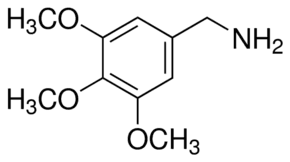
3,4,5-Trimethoxybenzylamine
Organic Building Blocks
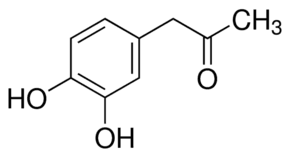
3,4-dihydroxyphenylacetone
Organic Building Blocks
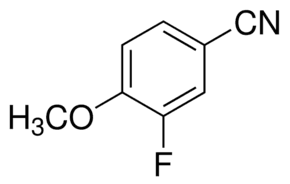
3-Fluoro-4-methoxybenzonitrile
C8H6FNO
Organic Building Blocks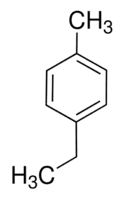
4-Ethyltoluene
C2H5C6H4CH3
Organic Building Blocks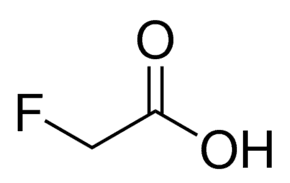
Fluoroacetic acid
C2H3FO2
Organic Building Blocks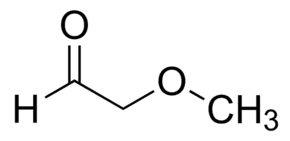
Methoxyacetaldehyde
C3H6O2
Organic Building Blocks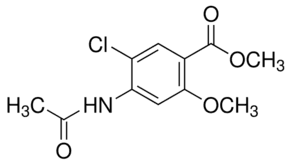
Methyl 4-acetamido-5-chloro-2-methoxybenzoate
Organic Building Blocks
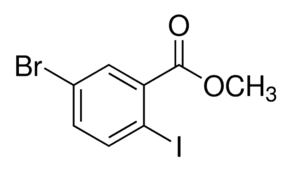
Methyl 5-bromo-2-iodobenzoate
BrC6H3(I)CO2CH3
Organic Building Blocks