
Mycophenolic acid
Mycophenolic acid (CAS: 24280-93-1, Formula: C17H20O6, MW: 320.34) is a potent immunosuppressive agent derived from *Penicillium brevi-compactum*. It functions as a selective inhibitor of inosine monophosphate dehydrogenase, thereby blocking DNA synthesis in lymphocytes. Mycophenolic acid is widely utilised in cell culture as a selection agent for genetically modified animal cells and for inducing monocyte differentiation and apoptosis.
- IUPAC
- 6-(1,3-Dihydro-7-hydroxy-5-methoxy-4-methyl-1-oxoisobenzofuran-6-yl)-4-methyl-4-hexanoic acid,6-(4-Hydroxy-6-methoxy-7-methyl-3-oxo-5-phthalanyl)-4-methyl-4-hexenoic acid,NSC 129185
- Synonyms
- 6-(1,3-Dihydro-7-hydroxy-5-methoxy-4-methyl-1-oxoisobenzofuran-6-yl)-4-methyl-4-hexenoic acid6-(4-Hydroxy-6-methoxy-7-methyl-3-oxo-5-phthalanyl)-4-methyl-4-hexenoic acidNSC 129185

Immunosuppression
Mycophenolic acid is recognised for its immunosuppressive properties, primarily by inhibiting DNA synthesis in T and B lymphocytes. This action makes it valuable in research settings for modulating immune responses.
Cell Culture Selection
Used as a selection agent in cell culture, Mycophenolic acid is recommended at concentrations of 25 µg/mL for selecting transfected animal cells that express the *E. coli* xanthine-guanine phosphoribosyl transferase gene.
Induction of Apoptosis and Differentiation
Research indicates that Mycophenolic acid can induce apoptosis and promote monocyte differentiation in human lymphoid and monocytic cell lines, offering avenues for cellular mechanism studies.
| Molecular weight | 320.34 |
|---|---|
| Empirical formula | C17H20O6 |
| Assay | ≥98% |
| Form | powder |
| Solubility | methanol: soluble50 mg/mL |
| Storage temperature | 2-8°C |
| Application | Mycophenolic acid (MPA), produced by Penicillum brevi-compactum, is a selective inhibitor of inosine monphosphate dehydrogenase, thus inhibiting DNA synthesis in T and B lymphocytes. It has also been shown to act as an immunosuppressive agent, and as an inducer of monocyte differentiation and apoptosis in human lymphoid and monocytic cell lines. As a selection agent, MPA is used for transfected animal cells expressing the E. Coli gene for xanthine-guanine phosphoribosyl transferase, and is recommended for use at 25μg/mL. |
| Suitability | suitable for cell culture |


Hazard statements
- H302Harmful if swallowed
- H341Suspected of causing genetic defects
- H360D
- H372Causes damage to organs through prolonged exposure
- H410Very toxic to aquatic life with long-lasting effects
Precautionary statements
- P201Obtain special instructions before use
- P273Avoid release to the environment
- P281Use personal protective equipment as required
- P308IF exposed or concerned
- P501Dispose of contents and container per local regulations
| Protective equipment | Eyeshields, Faceshields, full-face particle respirator type N100 (US), Gloves, respirator cartridge type N100 (US), type P1 (EN143) respirator filter, type P3 (EN 143) respirator cartridges |
|---|---|
| Transport (UN / ADR) | UN 3077 9 / PGIII |
| Water hazard class (WGK, DE) | 3 |
| Hazard codes (EU) | T,N |
| Risk statements (R) | 61-22-48/25-50/53-68 |
| Safety statements (S) | 53-22-45-61 |
Hazard information is provided for guidance. Always consult the product Safety Data Sheet (SDS), available on request, before handling.
| Quality Level | PREMIUM |
|---|---|
| Product Line | BioReagent |
| Gene Information | human ... IMPDH1(3614), IMPDH2(3615) |
| Target Organs | Immune system |
Documentation
Every batch ships with a Certificate of Analysis covering assay, identity and purity; the grade is confirmed against your enquiry. Safety Data Sheets and technical data sheets are available on request.
Supply & logistics
Samples for technical evaluation; bulk MOQ by grade and packaging. In-stock material ships in 7–10 working days, worldwide, with full export documentation.
What is Mycophenolic acid primarily used for?
+
Mycophenolic acid is primarily used as an immunosuppressive agent and a selection agent in cell culture for genetically modified cells. It functions by inhibiting DNA synthesis in lymphocytes.
What is the CAS number and molecular formula for Mycophenolic acid?
+
The CAS number for Mycophenolic acid is 24280-93-1, and its molecular formula is C17H20O6.
What grade and purity does Tech Serve Solutions supply?
+
Tech Serve Solutions supplies Mycophenolic acid at a PREMIUM BioReagent quality level with an assay of ≥98%. We do not represent this product as USP, BP, or EP grade.
How is Mycophenolic acid handled and shipped?
+
Mycophenolic acid is classified with GHS symbols including GHS07, GHS08, and GHS09, with a Danger signal word, indicating significant hazards including H302, H341, H360D, H372, and H410. It requires careful handling with appropriate personal protective equipment such as eyeshields, faceshields, and specific respirator types. It is shipped under UN 3077, Class 9, Packing Group III. Storage is recommended at 2-8°C.
Does TSS export Mycophenolic acid?
+
Yes, Tech Serve Solutions is a specialist global supplier and exporter of fine chemicals, including Mycophenolic acid.
How can I request a sample or quote for Mycophenolic acid?
+
To request a sample or obtain a quote for Mycophenolic acid, please contact our sales team through the channels provided on our website.
▶ Related products
![(±)-(E)-4-Ethyl-2-[(E)-hydroxyimino]-5-nitro-3-hexenamide (C8H13N3O4) — chemical structure, CAS 138472-01-2; Biochemicals & Reagents, fine chemical supplied by Tech Serve Solutions](/_next/image?url=https%3A%2F%2Fpub-f4d920c906024441a773a96f7098e551.r2.dev%2Fimages%2Fproducts%2F138472-01-2.png&w=3840&q=75)
(±)-(E)-4-Ethyl-2-[(E)-hydroxyimino]-5-nitro-3-hexenamide
C8H13N3O4
Biochemicals & Reagents![(±)-(E)-4-Ethyl-2-[(Z)-hydroxyimino]-5-nitro-3-hexen-1-yl-nicotinamide (C14H18N4O4) — chemical structure, CAS 162626-99-5; Biochemicals & Reagents, fine chemical supplied by Tech Serve Solutions](/_next/image?url=https%3A%2F%2Fpub-f4d920c906024441a773a96f7098e551.r2.dev%2Fimages%2Fproducts%2F162626-99-5.png&w=3840&q=75)
(±)-(E)-4-Ethyl-2-[(Z)-hydroxyimino]-5-nitro-3-hexen-1-yl-nicotinamide
C14H18N4O4
Biochemicals & Reagents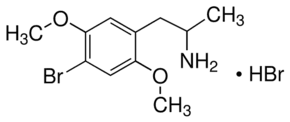
(±)-2,5-Dimethoxy-4-bromoamphetamine hydrobromide
Biochemicals & Reagents
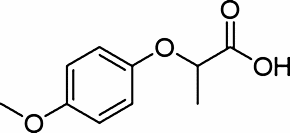
(±)-2-(p-Methoxyphenoxy)propionic acid
C10H12O4
Biochemicals & Reagents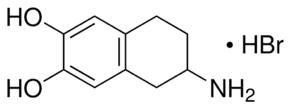
(±)-2-Amino-6,7-dihydroxy-1,2,3,4-tetrahydronaphthalene hydrobromide
C10H13NO2·HBr
Biochemicals & Reagents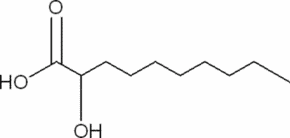
(±)-2-Hydroxydecanoic acid
C10H20O3
Biochemicals & Reagents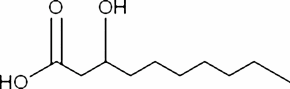
(±)-3-Hydroxydecanoic acid
C10H20O3
Biochemicals & Reagents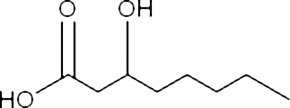
(±)-3-Hydroxyoctanoic acid
C8H16O3
Biochemicals & Reagents▶ Explore more

Bis(cyclopentadienyl)cobalt(III) hexafluorophosphate
C10H10CoF6P
Catalysis & Inorganic
1-(4-Chlorophenyl)biguanide hydrochloride
ClC6H4NHC(NH)NHC(NH)NH2 · HCl
Chemical Synthesis
Bis(cyclopentadienyl)dimethylzirconium(IV)
Catalysis & Inorganic

1-(4-Chlorophenyl)ethanol
ClC6H4CH(CH3)OH
Chemical Synthesis