
Mitomycin C from Streptomyces caespitosus
Mitomycin C (CAS: 50-07-7), a complex organic compound with the formula C15H18N4O5 and a molecular weight of 334.33 g/mol, is produced by *Streptomyces caespitosus*. This potent antibiotic is characterised by its quinine, urethane, and aziridine moieties. It is widely utilised in scientific research, particularly for generating mitotically inactive feeder cells in cell culture systems, such as fibroblasts for embryonic stem cell research.
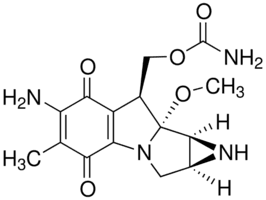
Feeder Cell Generation
Mitomycin C is employed to create mitotically inactive feeder cells. This is crucial for maintaining undifferentiated embryonic stem cells in culture, preventing their proliferation while preserving their pluripotency.
Antineoplastic Research
As an antineoplastic antibiotic, Mitomycin C is studied for its potential applications in cancer research. Its ability to alkylate DNA and inhibit DNA synthesis makes it a subject of interest in antineoplastic drug development.
Cell Biology Studies
The compound's cytotoxic properties are leveraged in various cell biology studies to investigate cellular responses to DNA damage and to establish controlled experimental conditions involving cell cycle arrest.
| Molecular weight | 334.33 |
|---|---|
| Empirical formula | C15H18N4O5 |
| Form | powder |
| Solubility | H2O: soluble4 mL/vial, clear to slightly hazy, blue to purple (Stock solutions should be filter sterilized and stored at 2-8 °C in the dark.) |
| Storage temperature | 2-8°C |
| Application | Mitomycin C is produced by a strain of actinomyces, Streptomyces caespitosus. It contains three anticancer moieties, quinine, urethane, and aziridine groups. It is used to generate mitotically inactive feeder cells in cell culture systems, such as the mitotically inactive fibroblasts used in embryonic stem cell systems. |
| Suitability | suitable for cell culture |


Hazard statements
- H302Harmful if swallowed
- H351Suspected of causing cancer
Precautionary statements
- P281Use personal protective equipment as required
| Water hazard class (WGK, DE) | 3 |
|---|---|
| Hazard codes (EU) | Xn |
| Risk statements (R) | 22-40 |
| Safety statements (S) | 36/37 |
Hazard information is provided for guidance. Always consult the product Safety Data Sheet (SDS), available on request, before handling.
| Product Line | BioReagent |
|---|
Documentation
Every batch ships with a Certificate of Analysis covering assay, identity and purity; the grade is confirmed against your enquiry. Safety Data Sheets and technical data sheets are available on request.
Supply & logistics
Samples for technical evaluation; bulk MOQ by grade and packaging. In-stock material ships in 7–10 working days, worldwide, with full export documentation.
What is Mitomycin C primarily used for?
+
Mitomycin C is primarily used in research for generating mitotically inactive feeder cells in cell culture systems, and it is studied for its antineoplastic properties.
What are the CAS number and chemical formula for Mitomycin C?
+
The CAS number for Mitomycin C is 50-07-7, and its chemical formula is C15H18N4O5.
What grade and purity does Tech Serve Solutions supply for Mitomycin C?
+
Tech Serve Solutions supplies Mitomycin C as a powder suitable for cell culture. For specific assay and purity details, please refer to the product specification sheet or contact our sales team. We do not represent this product as USP, BP, or EP grade unless explicitly stated.
How should Mitomycin C be handled and stored?
+
Mitomycin C is a hazardous substance (Warning, H302-H351) and should be handled with appropriate personal protective equipment in a well-ventilated area. Store at 2-8°C in the dark. Handle as potentially carcinogenic.
How is Mitomycin C packaged and shipped?
+
Mitomycin C is available in vials and packaged securely for domestic and international export, adhering to all necessary shipping regulations for chemical substances.
How can I request a quote or sample for Mitomycin C?
+
To request a quote or a sample of Mitomycin C, please visit the product page on our website and use the contact form, or contact our customer service department directly.
▶ Related products
![(±)-(E)-4-Ethyl-2-[(E)-hydroxyimino]-5-nitro-3-hexenamide (C8H13N3O4) — chemical structure, CAS 138472-01-2; Biochemicals & Reagents, fine chemical supplied by Tech Serve Solutions](/_next/image?url=https%3A%2F%2Fpub-f4d920c906024441a773a96f7098e551.r2.dev%2Fimages%2Fproducts%2F138472-01-2.png&w=3840&q=75)
(±)-(E)-4-Ethyl-2-[(E)-hydroxyimino]-5-nitro-3-hexenamide
C8H13N3O4
Biochemicals & Reagents![(±)-(E)-4-Ethyl-2-[(Z)-hydroxyimino]-5-nitro-3-hexen-1-yl-nicotinamide (C14H18N4O4) — chemical structure, CAS 162626-99-5; Biochemicals & Reagents, fine chemical supplied by Tech Serve Solutions](/_next/image?url=https%3A%2F%2Fpub-f4d920c906024441a773a96f7098e551.r2.dev%2Fimages%2Fproducts%2F162626-99-5.png&w=3840&q=75)
(±)-(E)-4-Ethyl-2-[(Z)-hydroxyimino]-5-nitro-3-hexen-1-yl-nicotinamide
C14H18N4O4
Biochemicals & Reagents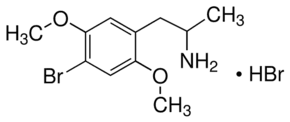
(±)-2,5-Dimethoxy-4-bromoamphetamine hydrobromide
Biochemicals & Reagents
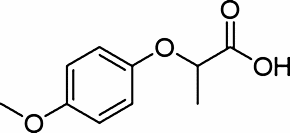
(±)-2-(p-Methoxyphenoxy)propionic acid
C10H12O4
Biochemicals & Reagents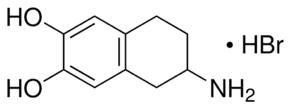
(±)-2-Amino-6,7-dihydroxy-1,2,3,4-tetrahydronaphthalene hydrobromide
C10H13NO2·HBr
Biochemicals & Reagents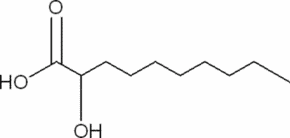
(±)-2-Hydroxydecanoic acid
C10H20O3
Biochemicals & Reagents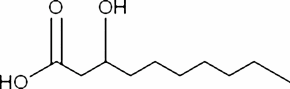
(±)-3-Hydroxydecanoic acid
C10H20O3
Biochemicals & Reagents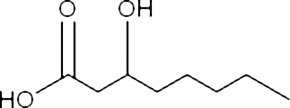
(±)-3-Hydroxyoctanoic acid
C8H16O3
Biochemicals & Reagents▶ Explore more

Bis(cyclopentadienyl)cobalt(III) hexafluorophosphate
C10H10CoF6P
Catalysis & Inorganic
1-(4-Chlorophenyl)biguanide hydrochloride
ClC6H4NHC(NH)NHC(NH)NH2 · HCl
Chemical Synthesis
Bis(cyclopentadienyl)dimethylzirconium(IV)
Catalysis & Inorganic

1-(4-Chlorophenyl)ethanol
ClC6H4CH(CH3)OH
Chemical Synthesis