
Methyl dichloroacetate
Methyl dichloroacetate (CAS 116-54-1), with the linear formula Cl₂CHCOOCH₃ and a molecular weight of 142.97 g/mol, is a versatile organic compound. It serves as a key reactant in various synthetic pathways, including nucleophilic substitutions and cycloaddition reactions. This ester is valuable in organic synthesis, particularly for the preparation of complex molecules and functionalised compounds. Tech Serve Solutions supplies this chemical for research and development purposes.
- IUPAC
- Dichloroacetic acid methyl ester,NSC 2882
- Synonyms
- Dichloroacetic acid methyl esterMethyl 2,2-dichloroacetateNSC 2882
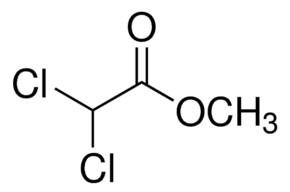
Nucleophilic Substitution Reactions
Methyl dichloroacetate is employed as a reactant in nucleophilic substitution reactions, notably with nitro(pentafluorosulfanyl)benzenes, enabling the synthesis of advanced fluorinated organic compounds.
Azide-Alkyl Halide Cycloadditions
This compound participates in azide-alkyl halide cycloaddition reactions, contributing to the formation of heterocyclic structures and other complex molecular architectures.
Carbohydrate Vaccine Synthesis
It is used in the chemical modification of STn antigen, a crucial step for the enhancement of synthetic carbohydrate vaccines, advancing research in immunotherapeutics.
Aryne Chemistry
Methyl dichloroacetate is a component in three-component reactions involving arynes with cyclic ethers and active methines, offering a route to diverse organic scaffolds.
Radical Haloalkylation
The compound acts as a reactant in catalytic radical haloalkylation processes, which are instrumental in the synthesis of complex natural products like neodysidenin.
Enantiopure Diamine Synthesis
It is utilised in addition reactions for the synthesis of enantiopure 3,4-diamino esters or amides, providing access to chiral building blocks for pharmaceutical applications.
| Molecular weight | 142.97 |
|---|---|
| Linear formula | Cl2CHCOOCH3 |
| Boiling point | 143 °C(lit.) |
| Density | 1.381 g/mL at 25 °C(lit.) |
| Refractive index | n20/D 1.442(lit.) |
| Application | Reactant involved in:• Nucleophilic substitution reactions with nitro(pentafluorosulfanyl)benzenes1• Azide-alkyl halide cycloaddition and atom transfer radical addition2• Chemical modification of STn antigen for enhancement of synthetic carbohydrate vaccines3• Three component reaction of arynes with cyclic ethers and active methines4• Catalytic radical haloalkylation for synthesis of neodysidenin5• Addition reactions for syntehsis of enantiopure 3,4-diamino esters or amides6 |
| Melting point | −52 °C(lit.) |

Hazard statements
- H315Causes skin irritation
- H319Causes serious eye irritation
- H332Harmful if inhaled
- H335May cause respiratory irritation
Precautionary statements
- P261Avoid breathing dust, fume, gas or vapours
- P305IF IN EYES
| Protective equipment | Eyeshields, Faceshields, full-face respirator (US), Gloves, multi-purpose combination respirator cartridge (US), type ABEK (EN14387) respirator filter |
|---|---|
| Flash point | 64 °C / 147.2 °F |
| Transport (UN / ADR) | UN 2299 6.1 / PGIII |
| Water hazard class (WGK, DE) | 3 |
| Hazard codes (EU) | Xn |
| Risk statements (R) | 20-36/37/38 |
| Safety statements (S) | 26-36 |
Hazard information is provided for guidance. Always consult the product Safety Data Sheet (SDS), available on request, before handling.
Documentation
Every batch ships with a Certificate of Analysis covering assay, identity and purity; the grade is confirmed against your enquiry. Safety Data Sheets and technical data sheets are available on request.
Supply & logistics
Samples for technical evaluation; bulk MOQ by grade and packaging. In-stock material ships in 7–10 working days, worldwide, with full export documentation.
What is Methyl dichloroacetate used for?
+
Methyl dichloroacetate is used as a reactant in various organic synthesis applications, including nucleophilic substitution reactions, cycloadditions, and the synthesis of complex molecules such as carbohydrate vaccines and natural products.
What are the CAS number and formula for Methyl dichloroacetate?
+
The CAS number for Methyl dichloroacetate is 116-54-1, and its linear formula is Cl₂CHCOOCH₃.
What grade and purity does Tech Serve Solutions supply?
+
Tech Serve Solutions supplies Methyl dichloroacetate with a purity of NLT 97%. We do not represent this product as USP, BP, or EP grade; it is intended for research and development use.
What are the safety and handling precautions for Methyl dichloroacetate?
+
Methyl dichloroacetate is a warning substance classified with hazard statements H315 (Causes skin irritation), H319 (Causes serious eye irritation), H332 (Harmful if inhaled), and H335 (May cause respiratory irritation). Appropriate personal protective equipment, including eyeshields, faceshields, gloves, and suitable respiratory protection, is essential when handling this chemical. Always consult the Safety Data Sheet (SDS) before use.
How is Methyl dichloroacetate packed and shipped?
+
Methyl dichloroacetate is packed in compliance with international regulations for hazardous materials. As a global supplier and exporter, Tech Serve Solutions ensures secure and compliant shipping.
How can I request a quote or sample?
+
To request a quote or a sample of Methyl dichloroacetate, please contact our sales team through the website or by phone. We will be pleased to assist you with your specific requirements.
▶ Related products
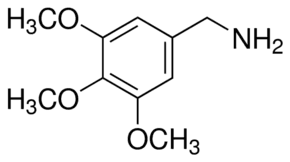
3,4,5-Trimethoxybenzylamine
Organic Building Blocks
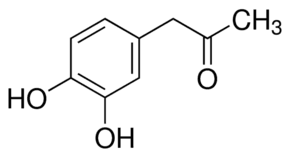
3,4-dihydroxyphenylacetone
Organic Building Blocks
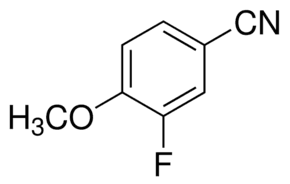
3-Fluoro-4-methoxybenzonitrile
C8H6FNO
Organic Building Blocks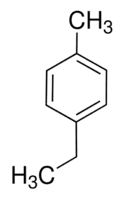
4-Ethyltoluene
C2H5C6H4CH3
Organic Building Blocks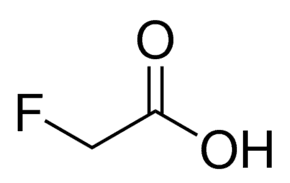
Fluoroacetic acid
C2H3FO2
Organic Building Blocks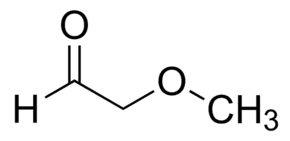
Methoxyacetaldehyde
C3H6O2
Organic Building Blocks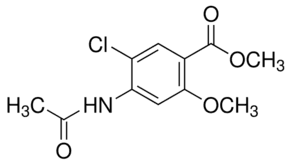
Methyl 4-acetamido-5-chloro-2-methoxybenzoate
Organic Building Blocks
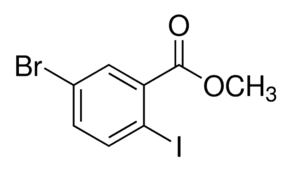
Methyl 5-bromo-2-iodobenzoate
BrC6H3(I)CO2CH3
Organic Building Blocks▶ Explore more

Bis(cyclopentadienyl)cobalt(III) hexafluorophosphate
C10H10CoF6P
Catalysis & Inorganic
1-(4-Chlorophenyl)biguanide hydrochloride
ClC6H4NHC(NH)NHC(NH)NH2 · HCl
Chemical Synthesis
Bis(cyclopentadienyl)dimethylzirconium(IV)
Catalysis & Inorganic

1-(4-Chlorophenyl)ethanol
ClC6H4CH(CH3)OH
Chemical Synthesis