
Magnolol
Magnolol (CAS: 528-43-8), a biphenyl compound with the formula C18H18O2 and a molecular weight of 266.33 g/mol, is a phytochemical derived from plants. It exhibits significant antibacterial, antifungal, and antioxidant properties. Magnolol is widely recognised for its biological activities and is utilised in various research applications, including cell biology studies and nutritional research, owing to its presence in functional foods.
- IUPAC
- 5,5′-Diallyl-2,2′-biphenyldiol
- Synonyms
- 5,5′-Diallyl-2,2′-biphenyldiol

Research and Development
Magnolol serves as a valuable reagent in biochemical and cell biology research, supporting studies on its antioxidant and antimicrobial mechanisms.
Natural Product Chemistry
As a key phenolic compound isolated from plants, Magnolol is used in phytochemical investigations and the study of plant-derived bioactives.
Antimicrobial Studies
Its demonstrated antibacterial and antifungal activities make Magnolol a subject of interest for research into novel antimicrobial agents.
Antioxidant Research
Magnolol is utilised in research focused on oxidative stress and the potential of natural compounds to combat it.
| Molecular weight | 266.33 |
|---|---|
| Empirical formula | C18H18O2 |
| Assay | ≥95% (HPLC) |
| Storage temperature | 2-8°C |
| Biological source | from plant |


Hazard statements
- H315Causes skin irritation
- H318Causes serious eye damage
- H335May cause respiratory irritation
- H411Toxic to aquatic life with long-lasting effects
Precautionary statements
- P261Avoid breathing dust, fume, gas or vapours
- P273Avoid release to the environment
- P280Wear protective gloves, clothing and eye/face protection
- P305IF IN EYES
| Protective equipment | dust mask type N95 (US), Eyeshields, Gloves |
|---|---|
| Transport (UN / ADR) | UN 3077 9 / PGIII |
| Water hazard class (WGK, DE) | 3 |
| Hazard codes (EU) | N |
| Risk statements (R) | 37/38-41-51/53 |
| Safety statements (S) | 26-39-61 |
Hazard information is provided for guidance. Always consult the product Safety Data Sheet (SDS), available on request, before handling.
Documentation
Every batch ships with a Certificate of Analysis covering assay, identity and purity; the grade is confirmed against your enquiry. Safety Data Sheets and technical data sheets are available on request.
Supply & logistics
Samples for technical evaluation; bulk MOQ by grade and packaging. In-stock material ships in 7–10 working days, worldwide, with full export documentation.
What is Magnolol used for?
+
Magnolol is primarily used in research and development, particularly in biochemical and cell biology studies, and for investigating its antibacterial, antifungal, and antioxidant properties.
What are the CAS number and formula for Magnolol?
+
The CAS number for Magnolol is 528-43-8, and its molecular formula is C18H18O2.
What grade and purity does Tech Serve Solutions supply?
+
Tech Serve Solutions supplies Magnolol with a purity of ≥95% (HPLC). TSS does not represent this product as USP, BP, or EP grade.
How should Magnolol be handled safely?
+
Handle Magnolol with appropriate personal protective equipment, including a dust mask (N95 US), eyeshields, and gloves. Ensure good ventilation and avoid dust formation. It is labelled with GHS05, GHS07, and GHS09 symbols, indicating it can cause severe eye damage, skin irritation, respiratory irritation, and is toxic to aquatic life with long-lasting effects.
How is Magnolol packed and shipped?
+
Magnolol is typically stored at 2-8°C. Shipments are prepared according to international regulations for hazardous materials, such as UN 3077, 9 / PGIII, ensuring safe export.
How can I request a sample or quote for Magnolol?
+
To request a sample or a quote for Magnolol, please contact the Tech Serve Solutions sales department through our website or by phone.
▶ Related products
![(±)-(E)-4-Ethyl-2-[(E)-hydroxyimino]-5-nitro-3-hexenamide (C8H13N3O4) — chemical structure, CAS 138472-01-2; Biochemicals & Reagents, fine chemical supplied by Tech Serve Solutions](/_next/image?url=https%3A%2F%2Fpub-f4d920c906024441a773a96f7098e551.r2.dev%2Fimages%2Fproducts%2F138472-01-2.png&w=3840&q=75)
(±)-(E)-4-Ethyl-2-[(E)-hydroxyimino]-5-nitro-3-hexenamide
C8H13N3O4
Biochemicals & Reagents![(±)-(E)-4-Ethyl-2-[(Z)-hydroxyimino]-5-nitro-3-hexen-1-yl-nicotinamide (C14H18N4O4) — chemical structure, CAS 162626-99-5; Biochemicals & Reagents, fine chemical supplied by Tech Serve Solutions](/_next/image?url=https%3A%2F%2Fpub-f4d920c906024441a773a96f7098e551.r2.dev%2Fimages%2Fproducts%2F162626-99-5.png&w=3840&q=75)
(±)-(E)-4-Ethyl-2-[(Z)-hydroxyimino]-5-nitro-3-hexen-1-yl-nicotinamide
C14H18N4O4
Biochemicals & Reagents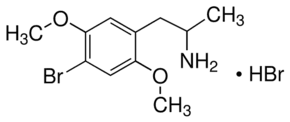
(±)-2,5-Dimethoxy-4-bromoamphetamine hydrobromide
Biochemicals & Reagents
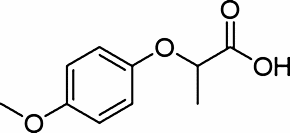
(±)-2-(p-Methoxyphenoxy)propionic acid
C10H12O4
Biochemicals & Reagents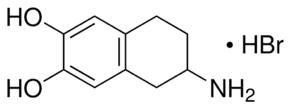
(±)-2-Amino-6,7-dihydroxy-1,2,3,4-tetrahydronaphthalene hydrobromide
C10H13NO2·HBr
Biochemicals & Reagents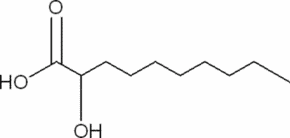
(±)-2-Hydroxydecanoic acid
C10H20O3
Biochemicals & Reagents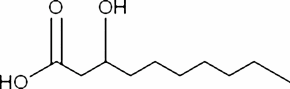
(±)-3-Hydroxydecanoic acid
C10H20O3
Biochemicals & Reagents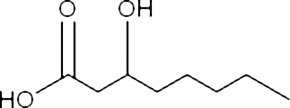
(±)-3-Hydroxyoctanoic acid
C8H16O3
Biochemicals & Reagents▶ Explore more

Bis(cyclopentadienyl)cobalt(III) hexafluorophosphate
C10H10CoF6P
Catalysis & Inorganic
1-(4-Chlorophenyl)biguanide hydrochloride
ClC6H4NHC(NH)NHC(NH)NH2 · HCl
Chemical Synthesis
Bis(cyclopentadienyl)dimethylzirconium(IV)
Catalysis & Inorganic

1-(4-Chlorophenyl)ethanol
ClC6H4CH(CH3)OH
Chemical Synthesis