
Lycopene
Lycopene (CAS: 502-65-8, Formula: C40H56) is a vibrant red carotenoid pigment, naturally sourced from tomatoes. With a molecular weight of 536.87 g/mol, it is widely recognised for its potent antioxidant properties. Lycopene plays a crucial role in neutralising free radicals, contributing to cellular protection. Its applications span nutritional research and as a key component in biochemical studies, particularly within cancer research and cell biology.
- IUPAC
- ψ,ψ-Carotene,2,6,10,14,19,23,27,31-Octamethyl-dotriaconta-2,6,8,10,12,14,16,18,20,22,24,26,30-tridecaene

Antioxidant and Free Radical Scavenging
Lycopene acts as a powerful antioxidant, effectively scavenging free radicals. This property is vital for protecting cells from oxidative damage, a key factor in aging and disease processes.
Nutritional Research
As a significant component of a healthy diet, lycopene is extensively studied in nutrition research. Its biological activity and health implications are of considerable interest to scientists.
Biochemical and Cancer Research
Lycopene is employed in various biochemical studies, including cell biology and cancer research. Its potential chemopreventive properties make it a compound of interest in understanding disease mechanisms.
Carotenoid Studies
This compound serves as a model for studying the broader class of carotenoids. Research involving lycopene contributes to understanding the synthesis, metabolism, and function of these important natural pigments.
| Molecular weight | 536.87 |
|---|---|
| Empirical formula | C40H56 |
| Assay | ≥90% |
| Concentration | ~10% in corn oil |
| Storage temperature | −70°C |
| Contains / stabiliser | ≤2.5% α-Tocopherol as stabilizer |
| Biological source | from tomato |
| Protective equipment | Eyeshields, Gloves, type N95 (US), type P1 (EN143) respirator filter |
|---|---|
| Water hazard class (WGK, DE) | 3 |
Hazard information is provided for guidance. Always consult the product Safety Data Sheet (SDS), available on request, before handling.
| Shipped In | dry ice |
|---|
Documentation
Every batch ships with a Certificate of Analysis covering assay, identity and purity; the grade is confirmed against your enquiry. Safety Data Sheets and technical data sheets are available on request.
Supply & logistics
Samples for technical evaluation; bulk MOQ by grade and packaging. In-stock material ships in 7–10 working days, worldwide, with full export documentation.
What is Lycopene primarily used for?
+
Lycopene is primarily used for its antioxidant properties, in nutritional research, biochemical studies, cell biology, and cancer research.
What is the CAS number and chemical formula for Lycopene?
+
The CAS number for Lycopene is 502-65-8, and its chemical formula is C40H56.
What grade and purity does Tech Serve Solutions supply?
+
Tech Serve Solutions supplies Lycopene with an assay of ≥90%. This product is not represented as USP, BP, or EP grade.
How is Lycopene shipped and stored?
+
Lycopene is shipped in dry ice and requires storage at −70°C to maintain its integrity and efficacy.
What are the safety considerations for handling Lycopene?
+
When handling Lycopene, it is advisable to use Eyeshields and Gloves, and a type N95 (US) or type P1 (EN143) respirator filter. The WGK Germany classification is 3, indicating a high hazard to water.
How can I request a sample or quote for Lycopene?
+
To request a sample or a quote for Lycopene, please contact our sales team through the website or by phone.
▶ Related products
![(±)-(E)-4-Ethyl-2-[(E)-hydroxyimino]-5-nitro-3-hexenamide (C8H13N3O4) — chemical structure, CAS 138472-01-2; Biochemicals & Reagents, fine chemical supplied by Tech Serve Solutions](/_next/image?url=https%3A%2F%2Fpub-f4d920c906024441a773a96f7098e551.r2.dev%2Fimages%2Fproducts%2F138472-01-2.png&w=3840&q=75)
(±)-(E)-4-Ethyl-2-[(E)-hydroxyimino]-5-nitro-3-hexenamide
C8H13N3O4
Biochemicals & Reagents![(±)-(E)-4-Ethyl-2-[(Z)-hydroxyimino]-5-nitro-3-hexen-1-yl-nicotinamide (C14H18N4O4) — chemical structure, CAS 162626-99-5; Biochemicals & Reagents, fine chemical supplied by Tech Serve Solutions](/_next/image?url=https%3A%2F%2Fpub-f4d920c906024441a773a96f7098e551.r2.dev%2Fimages%2Fproducts%2F162626-99-5.png&w=3840&q=75)
(±)-(E)-4-Ethyl-2-[(Z)-hydroxyimino]-5-nitro-3-hexen-1-yl-nicotinamide
C14H18N4O4
Biochemicals & Reagents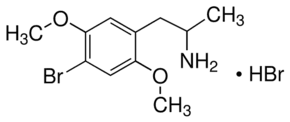
(±)-2,5-Dimethoxy-4-bromoamphetamine hydrobromide
Biochemicals & Reagents
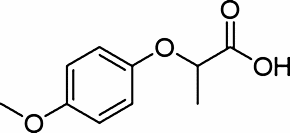
(±)-2-(p-Methoxyphenoxy)propionic acid
C10H12O4
Biochemicals & Reagents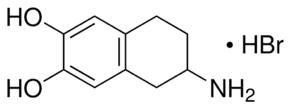
(±)-2-Amino-6,7-dihydroxy-1,2,3,4-tetrahydronaphthalene hydrobromide
C10H13NO2·HBr
Biochemicals & Reagents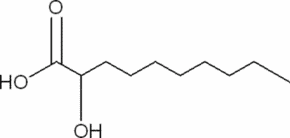
(±)-2-Hydroxydecanoic acid
C10H20O3
Biochemicals & Reagents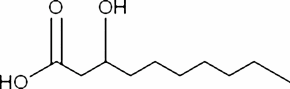
(±)-3-Hydroxydecanoic acid
C10H20O3
Biochemicals & Reagents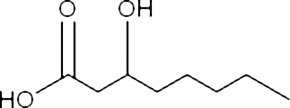
(±)-3-Hydroxyoctanoic acid
C8H16O3
Biochemicals & Reagents▶ Explore more

Bis(cyclopentadienyl)cobalt(III) hexafluorophosphate
C10H10CoF6P
Catalysis & Inorganic
1-(4-Chlorophenyl)biguanide hydrochloride
ClC6H4NHC(NH)NHC(NH)NH2 · HCl
Chemical Synthesis
Bis(cyclopentadienyl)dimethylzirconium(IV)
Catalysis & Inorganic

1-(4-Chlorophenyl)ethanol
ClC6H4CH(CH3)OH
Chemical Synthesis