Linoleoyl chloride
Linoleoyl chloride (CAS 7459-33-8), with the chemical formula C18H31OCl and a molar mass of 298.89 g/mol, is a reactive acid chloride derived from linoleic acid. It is primarily utilised as a chemical reagent in organic synthesis. Its most notable application is in the preparation of fatty acyl glyceric acids, such as dilinoleoyl-D-glyceric acid, playing a role in biochemical research and the synthesis of lipid analogues.

Organic Synthesis Reagent
Linoleoyl chloride serves as a key reagent in organic synthesis, particularly for the introduction of the linoleoyl group into various molecules. Its high reactivity makes it suitable for acylation reactions.
Synthesis of Fatty Acyl Glyceric Acids
This compound is employed in the specific synthesis of fatty acyl glyceric acids. For example, it is used in the preparation of dilinoleoyl-D-glyceric acid, a compound of interest in lipid research.
Biochemical Research
As a precursor to various lipid derivatives, linoleoyl chloride finds applications in biochemical research, aiding in the study of lipid metabolism and the development of novel biomaterials.
| Molecular weight | 298.89 |
|---|---|
| Linear formula | C18H31OCl |
| Assay | ≥99% |
| Form | liquid |
| Density | 0.93 g/mL at 25 °C(lit.) |
| Storage temperature | −20°C |
| Application | Linoleoyl chloride is used as a reagent for the synthesis of fatty acyl glyceric acids such as dilinoleoyl-D-glyceric acid |

Hazard statements
- H314Causes severe skin burns and eye damage
Precautionary statements
- P280Wear protective gloves, clothing and eye/face protection
- P305IF IN EYES
- P310Immediately call a POISON CENTER or doctor
| Protective equipment | Faceshields, full-face respirator (US), Gloves, Goggles, multi-purpose combination respirator cartridge (US), type ABEK (EN14387) respirator filter |
|---|---|
| Transport (UN / ADR) | UN 3265 8 / PGII |
| Water hazard class (WGK, DE) | 3 |
| Hazard codes (EU) | C |
| Risk statements (R) | 34 |
| Safety statements (S) | 26-27-36/37/39-45 |
Hazard information is provided for guidance. Always consult the product Safety Data Sheet (SDS), available on request, before handling.
Documentation
Every batch ships with a Certificate of Analysis covering assay, identity and purity; the grade is confirmed against your enquiry. Safety Data Sheets and technical data sheets are available on request.
Supply & logistics
Samples for technical evaluation; bulk MOQ by grade and packaging. In-stock material ships in 7–10 working days, worldwide, with full export documentation.
What is Linoleoyl chloride used for?
+
Linoleoyl chloride is primarily used as a reagent for the synthesis of fatty acyl glyceric acids, such as dilinoleoyl-D-glyceric acid, and in general organic synthesis for introducing the linoleoyl moiety.
What is the CAS number and chemical formula for Linoleoyl chloride?
+
The CAS number for Linoleoyl chloride is 7459-33-8, and its chemical formula is C18H31OCl.
What grade and purity does Tech Serve Solutions supply for Linoleoyl chloride?
+
Tech Serve Solutions supplies Linoleoyl chloride with an assay of ≥99%. This product is supplied for laboratory and manufacturing use and is not represented as USP, BP, EP, or food grade.
How should Linoleoyl chloride be handled safely?
+
Linoleoyl chloride is corrosive and causes severe skin burns and eye damage (H314). Handle with extreme caution, using appropriate personal protective equipment including full-face shields, chemical-resistant gloves, and respirators. Ensure adequate ventilation and have emergency procedures in place for accidental exposure. It is classified with signal word Danger and hazard code C.
How is Linoleoyl chloride packed, shipped, and exported?
+
Linoleoyl chloride is typically supplied as a liquid and stored at −20°C. As a hazardous material (UN 3265, Hazard Class 8, Packing Group II), it is packaged and shipped in compliance with all relevant international transportation regulations by our experienced export team.
How can I request a sample or quote for Linoleoyl chloride?
+
To request a sample or a quote for Linoleoyl chloride, please contact our sales team directly through the website or by phone, providing your specific requirements and delivery details.
▶ Related products
![(±)-(E)-4-Ethyl-2-[(E)-hydroxyimino]-5-nitro-3-hexenamide (C8H13N3O4) — chemical structure, CAS 138472-01-2; Biochemicals & Reagents, fine chemical supplied by Tech Serve Solutions](/_next/image?url=https%3A%2F%2Fpub-f4d920c906024441a773a96f7098e551.r2.dev%2Fimages%2Fproducts%2F138472-01-2.png&w=3840&q=75)
(±)-(E)-4-Ethyl-2-[(E)-hydroxyimino]-5-nitro-3-hexenamide
C8H13N3O4
Biochemicals & Reagents![(±)-(E)-4-Ethyl-2-[(Z)-hydroxyimino]-5-nitro-3-hexen-1-yl-nicotinamide (C14H18N4O4) — chemical structure, CAS 162626-99-5; Biochemicals & Reagents, fine chemical supplied by Tech Serve Solutions](/_next/image?url=https%3A%2F%2Fpub-f4d920c906024441a773a96f7098e551.r2.dev%2Fimages%2Fproducts%2F162626-99-5.png&w=3840&q=75)
(±)-(E)-4-Ethyl-2-[(Z)-hydroxyimino]-5-nitro-3-hexen-1-yl-nicotinamide
C14H18N4O4
Biochemicals & Reagents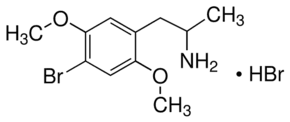
(±)-2,5-Dimethoxy-4-bromoamphetamine hydrobromide
Biochemicals & Reagents
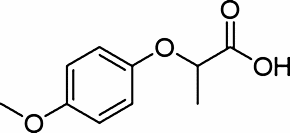
(±)-2-(p-Methoxyphenoxy)propionic acid
C10H12O4
Biochemicals & Reagents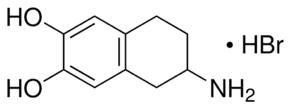
(±)-2-Amino-6,7-dihydroxy-1,2,3,4-tetrahydronaphthalene hydrobromide
C10H13NO2·HBr
Biochemicals & Reagents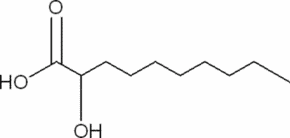
(±)-2-Hydroxydecanoic acid
C10H20O3
Biochemicals & Reagents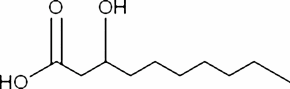
(±)-3-Hydroxydecanoic acid
C10H20O3
Biochemicals & Reagents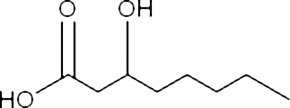
(±)-3-Hydroxyoctanoic acid
C8H16O3
Biochemicals & Reagents