Levocetirizine dihydrochloride
Levocetirizine dihydrochloride (CAS: 130018-87-0), with the molecular formula C21H25ClN2O3·2HCl and a molecular weight of 461.81, is supplied by TSS as a powder. This compound is a bioactive small molecule and an antagonist, primarily recognised for its application in pharmaceutical research and development as a second-generation antihistamine. It is essential for studies involving cell signaling and neuroscience, particularly in the exploration of histaminergic pathways.
- IUPAC
- (-)-Cetirizine dihydrochloride; 2-[2-[4-[(R)-(4-chlorophenyl)-phenyl-methyl]piperazin-1-yl]ethoxy]acetic acid dihydrochloride,Levocetirizine dihydrochloride
- Synonyms
- (-)-Cetirizine dihydrochloride2-[2-[4-[(R)-(4-chlorophenyl)-phenyl-methyl]piperazin-1-yl]ethoxy]acetic acid dihydrochloride,Levocetirizine dihydrochloride

Pharmaceutical Research
Levocetirizine dihydrochloride serves as a key research chemical in the development of antihistamine therapies. Its role as an approved therapeutic makes it valuable for preclinical studies and drug discovery programmes targeting allergic conditions.
Histamine Receptor Antagonism Studies
This compound is utilised to investigate the function of histamine H1 receptors. Researchers employ it to understand the mechanisms of allergic responses and to explore potential new treatments for histamine-mediated disorders.
Cell Biology and Neuroscience Research
As a bioactive small molecule, Levocetirizine dihydrochloride is used in cell biology and neuroscience research to study cellular signaling pathways and neurotransmission, particularly those involving GPCR modulators.
| Molecular weight | 461.81 |
|---|---|
| Empirical formula | C21H25ClN2O3·2HCl |
| Assay | ≥98% (HPLC) |
| Form | powder |
| Solubility | H2O: ≥23 mg/mL |
| Storage temperature | room temp |


Hazard statements
- H302Harmful if swallowed
- H400Very toxic to aquatic life
Precautionary statements
- P273Avoid release to the environment
| Transport (UN / ADR) | UN 3077 9 / PGIII |
|---|---|
| Water hazard class (WGK, DE) | 3 |
| Hazard codes (EU) | Xn,N |
| Risk statements (R) | 22-50/53 |
| Safety statements (S) | 60-61 |
Hazard information is provided for guidance. Always consult the product Safety Data Sheet (SDS), available on request, before handling.
Documentation
Every batch ships with a Certificate of Analysis covering assay, identity and purity; the grade is confirmed against your enquiry. Safety Data Sheets and technical data sheets are available on request.
Supply & logistics
Samples for technical evaluation; bulk MOQ by grade and packaging. In-stock material ships in 7–10 working days, worldwide, with full export documentation.
What is Levocetirizine dihydrochloride used for?
+
Levocetirizine dihydrochloride is used in pharmaceutical research and development, particularly as a second-generation antihistamine for studying allergic conditions and histamine receptor antagonism.
What are the CAS number and formula for Levocetirizine dihydrochloride?
+
The CAS number for Levocetirizine dihydrochloride is 130018-87-0, and its formula is C21H25ClN2O3·2HCl.
What grade and purity does Tech Serve Solutions supply?
+
Tech Serve Solutions supplies Levocetirizine dihydrochloride with an assay of ≥98% (HPLC). TSS does not represent this product as USP, BP, or EP grade.
How is Levocetirizine dihydrochloride supplied and shipped?
+
Levocetirizine dihydrochloride is supplied as a powder and is typically stored at room temperature. TSS exports chemicals globally, adhering to all relevant shipping regulations.
What are the safety considerations for handling Levocetirizine dihydrochloride?
+
Levocetirizine dihydrochloride is classified as harmful if swallowed (H302) and very toxic to aquatic life with long-lasting effects (H400). Handle with appropriate personal protective equipment and avoid release into the environment (P273).
How can I request a quote or sample of Levocetirizine dihydrochloride?
+
To request a quote or sample, please contact our sales team through the website or by phone, providing the product name and CAS number.
▶ Related products
![(±)-(E)-4-Ethyl-2-[(E)-hydroxyimino]-5-nitro-3-hexenamide (C8H13N3O4) — chemical structure, CAS 138472-01-2; Biochemicals & Reagents, fine chemical supplied by Tech Serve Solutions](/_next/image?url=https%3A%2F%2Fpub-f4d920c906024441a773a96f7098e551.r2.dev%2Fimages%2Fproducts%2F138472-01-2.png&w=3840&q=75)
(±)-(E)-4-Ethyl-2-[(E)-hydroxyimino]-5-nitro-3-hexenamide
C8H13N3O4
Biochemicals & Reagents![(±)-(E)-4-Ethyl-2-[(Z)-hydroxyimino]-5-nitro-3-hexen-1-yl-nicotinamide (C14H18N4O4) — chemical structure, CAS 162626-99-5; Biochemicals & Reagents, fine chemical supplied by Tech Serve Solutions](/_next/image?url=https%3A%2F%2Fpub-f4d920c906024441a773a96f7098e551.r2.dev%2Fimages%2Fproducts%2F162626-99-5.png&w=3840&q=75)
(±)-(E)-4-Ethyl-2-[(Z)-hydroxyimino]-5-nitro-3-hexen-1-yl-nicotinamide
C14H18N4O4
Biochemicals & Reagents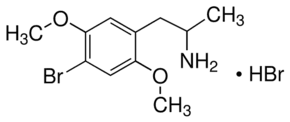
(±)-2,5-Dimethoxy-4-bromoamphetamine hydrobromide
Biochemicals & Reagents
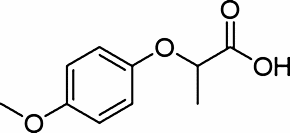
(±)-2-(p-Methoxyphenoxy)propionic acid
C10H12O4
Biochemicals & Reagents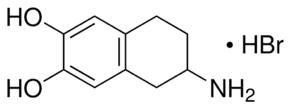
(±)-2-Amino-6,7-dihydroxy-1,2,3,4-tetrahydronaphthalene hydrobromide
C10H13NO2·HBr
Biochemicals & Reagents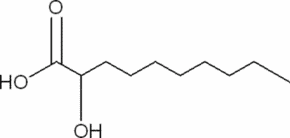
(±)-2-Hydroxydecanoic acid
C10H20O3
Biochemicals & Reagents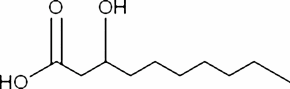
(±)-3-Hydroxydecanoic acid
C10H20O3
Biochemicals & Reagents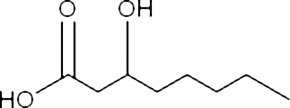
(±)-3-Hydroxyoctanoic acid
C8H16O3
Biochemicals & Reagents