L-α-Phosphatidylinositol from Glycine max (soybean)
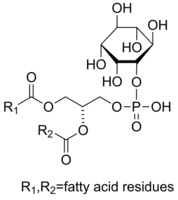
L-α-Phosphatidylinositol from Glycine max (soybean), CAS 97281-52-2, is a crude powder lipid derived from soybeans. It is a key component in cell membrane structure and plays a role in various cellular signalling pathways. This compound serves as a valuable biochemical reagent for research applications in cell biology, lipidomics, and related life science disciplines. Available from Tech Serve Solutions, it is supplied for laboratory use.
- IUPAC
- 1,2-Diacyl-sn-glycero-3-phospho-(1-D-myo-inositol)
Biochemical Research
Utilised as a research tool in biochemistry and cell biology to investigate lipid metabolism, signal transduction pathways, and membrane function. Its structural properties make it useful for studying enzyme interactions and phospholipid behaviour.
Lipidomics Studies
Serves as a standard or substrate in lipidomics research for the identification and quantification of phosphoinositides in biological samples. Useful for developing and validating analytical methods.
Cell Signalling Investigations
Employed in studies focused on cellular signalling, particularly pathways involving inositol phosphates and their derivatives. Helps elucidate the complex regulatory mechanisms within cells.
| Assay | ~50% (TLC) |
|---|---|
| Form | crude powder |
| Storage temperature | −20°C |
| Protective equipment | Eyeshields, Gloves, type N95 (US), type P1 (EN143) respirator filter |
|---|---|
| Water hazard class (WGK, DE) | 3 |
Hazard information is provided for guidance. Always consult the product Safety Data Sheet (SDS), available on request, before handling.
Documentation
Every batch ships with a Certificate of Analysis covering assay, identity and purity; the grade is confirmed against your enquiry. Safety Data Sheets and technical data sheets are available on request.
Supply & logistics
Samples for technical evaluation; bulk MOQ by grade and packaging. In-stock material ships in 7–10 working days, worldwide, with full export documentation.
What is L-α-Phosphatidylinositol from Glycine max (soybean) used for?
+
This compound is primarily used as a biochemical reagent for research in areas such as cell biology, lipidomics, and signal transduction studies. It is not for human or animal consumption or for direct therapeutic use.
What is the CAS number and formula for L-α-Phosphatidylinositol from Glycine max (soybean)?
+
The CAS number is 97281-52-2. The chemical formula is not provided in the product data.
What grade and purity does Tech Serve Solutions supply?
+
Tech Serve Solutions supplies this product as a crude powder with an assay of approximately 50% as determined by TLC. It is intended for research and laboratory use; we do not represent it as USP, BP, or EP grade.
What are the safety and handling recommendations?
+
According to the safety data, appropriate personal protective equipment includes eyeshields, gloves, and a type N95 (US) or type P1 (EN143) respirator filter. The WGK (Germany) is 3, indicating a high hazard to water.
How is L-α-Phosphatidylinositol from Glycine max (soybean) stored and shipped?
+
The product should be stored at -20°C. Tech Serve Solutions exports fine chemicals globally, adhering to all relevant shipping regulations for hazardous materials.
How can I request a sample or quote?
+
Please contact our sales team via the website or by phone to request a sample or a formal quotation for L-α-Phosphatidylinositol from Glycine max (soybean).
▶ Related products
![(±)-(E)-4-Ethyl-2-[(E)-hydroxyimino]-5-nitro-3-hexenamide (C8H13N3O4) — chemical structure, CAS 138472-01-2; Biochemicals & Reagents, fine chemical supplied by Tech Serve Solutions](/_next/image?url=https%3A%2F%2Fpub-f4d920c906024441a773a96f7098e551.r2.dev%2Fimages%2Fproducts%2F138472-01-2.png&w=3840&q=75)
(±)-(E)-4-Ethyl-2-[(E)-hydroxyimino]-5-nitro-3-hexenamide
C8H13N3O4
Biochemicals & Reagents![(±)-(E)-4-Ethyl-2-[(Z)-hydroxyimino]-5-nitro-3-hexen-1-yl-nicotinamide (C14H18N4O4) — chemical structure, CAS 162626-99-5; Biochemicals & Reagents, fine chemical supplied by Tech Serve Solutions](/_next/image?url=https%3A%2F%2Fpub-f4d920c906024441a773a96f7098e551.r2.dev%2Fimages%2Fproducts%2F162626-99-5.png&w=3840&q=75)
(±)-(E)-4-Ethyl-2-[(Z)-hydroxyimino]-5-nitro-3-hexen-1-yl-nicotinamide
C14H18N4O4
Biochemicals & Reagents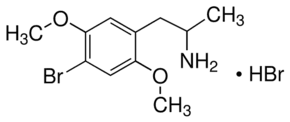
(±)-2,5-Dimethoxy-4-bromoamphetamine hydrobromide
Biochemicals & Reagents
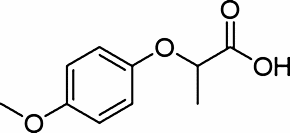
(±)-2-(p-Methoxyphenoxy)propionic acid
C10H12O4
Biochemicals & Reagents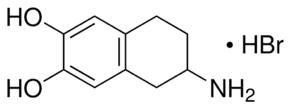
(±)-2-Amino-6,7-dihydroxy-1,2,3,4-tetrahydronaphthalene hydrobromide
C10H13NO2·HBr
Biochemicals & Reagents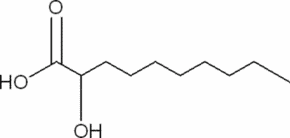
(±)-2-Hydroxydecanoic acid
C10H20O3
Biochemicals & Reagents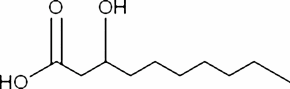
(±)-3-Hydroxydecanoic acid
C10H20O3
Biochemicals & Reagents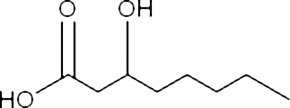
(±)-3-Hydroxyoctanoic acid
C8H16O3
Biochemicals & Reagents