L-Cystine dihydrochloride, non-animal derived
L-Cystine dihydrochloride (CAS: 30925-07-6), a non-animal derived amino acid derivative with the empirical formula C6H12N2O4S2 · 2HCl and a molecular weight of 313.22 g/mol, is supplied by TSS. This compound, indicated as suitable for cell culture, presents as a stable, high-purity reagent. It serves as a valuable component in biochemical research and specialised cell culture applications within the life sciences sector.
- Synonyms
- C6H12N2O4S2 · 2HCl

Cell Culture Supplementation
L-Cystine dihydrochloride is suitable for use as a supplement in cell culture media. It provides an essential amino acid source that can support cell growth and viability in various laboratory settings.
Biochemical Research
This compound serves as a reagent in biochemical studies. Its defined purity and non-animal origin make it a reliable choice for researchers investigating cellular processes or metabolic pathways.
Synthetic Chemistry
L-Cystine dihydrochloride can be employed as a building block or intermediate in the synthesis of more complex organic molecules. Its reactive functional groups allow for diverse chemical transformations.
| Molecular weight | 313.22 |
|---|---|
| Empirical formula | C6H12N2O4S2 · 2HCl |
| Assay | ≥98.0% dry basis |
| Solubility | 2 M HCl: soluble50 mg/mL |
| Impurities tested | endotoxin, tested |
| Suitability | suitable for cell culture |
Documentation
Every batch ships with a Certificate of Analysis covering assay, identity and purity; the grade is confirmed against your enquiry. Safety Data Sheets and technical data sheets are available on request.
Supply & logistics
Samples for technical evaluation; bulk MOQ by grade and packaging. In-stock material ships in 7–10 working days, worldwide, with full export documentation.
What is L-Cystine dihydrochloride used for?
+
L-Cystine dihydrochloride (CAS: 30925-07-6) is primarily used as a supplement in cell culture media and as a reagent in biochemical research due to its non-animal derived origin and purity.
What is the CAS number and formula for L-Cystine dihydrochloride?
+
The CAS number for L-Cystine dihydrochloride is 30925-07-6, and its empirical formula is C6H12N2O4S2 · 2HCl.
What grade and purity does Tech Serve Solutions supply?
+
Tech Serve Solutions supplies L-Cystine dihydrochloride with an assay of ≥98.0% on a dry basis. This product is tested for endotoxin and is suitable for cell culture. TSS does not represent this product as USP, BP, EP, or pharmacopoeia grade.
How should L-Cystine dihydrochloride be handled and stored?
+
L-Cystine dihydrochloride (WGK Germany: 3) should be handled with appropriate personal protective equipment. Consult the Safety Data Sheet (SDS) for detailed handling, storage, and disposal information. Store in a cool, dry place.
Is L-Cystine dihydrochloride suitable for cell culture?
+
Yes, L-Cystine dihydrochloride is explicitly stated as suitable for cell culture applications.
How can I request a sample or quote for L-Cystine dihydrochloride?
+
To request a sample or a quote for L-Cystine dihydrochloride, please contact the Tech Serve Solutions sales team through our website or by phone, referencing the product CAS number 30925-07-6.
Can L-Cystine dihydrochloride be exported?
+
Yes, Tech Serve Solutions is a global supplier and exporter of fine chemicals, including L-Cystine dihydrochloride.
▶ Related products
![(±)-(E)-4-Ethyl-2-[(E)-hydroxyimino]-5-nitro-3-hexenamide (C8H13N3O4) — chemical structure, CAS 138472-01-2; Biochemicals & Reagents, fine chemical supplied by Tech Serve Solutions](/_next/image?url=https%3A%2F%2Fpub-f4d920c906024441a773a96f7098e551.r2.dev%2Fimages%2Fproducts%2F138472-01-2.png&w=3840&q=75)
(±)-(E)-4-Ethyl-2-[(E)-hydroxyimino]-5-nitro-3-hexenamide
C8H13N3O4
Biochemicals & Reagents![(±)-(E)-4-Ethyl-2-[(Z)-hydroxyimino]-5-nitro-3-hexen-1-yl-nicotinamide (C14H18N4O4) — chemical structure, CAS 162626-99-5; Biochemicals & Reagents, fine chemical supplied by Tech Serve Solutions](/_next/image?url=https%3A%2F%2Fpub-f4d920c906024441a773a96f7098e551.r2.dev%2Fimages%2Fproducts%2F162626-99-5.png&w=3840&q=75)
(±)-(E)-4-Ethyl-2-[(Z)-hydroxyimino]-5-nitro-3-hexen-1-yl-nicotinamide
C14H18N4O4
Biochemicals & Reagents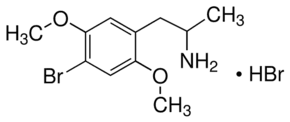
(±)-2,5-Dimethoxy-4-bromoamphetamine hydrobromide
Biochemicals & Reagents
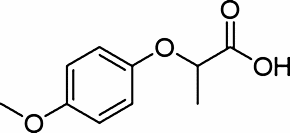
(±)-2-(p-Methoxyphenoxy)propionic acid
C10H12O4
Biochemicals & Reagents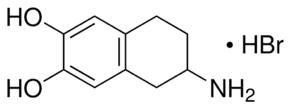
(±)-2-Amino-6,7-dihydroxy-1,2,3,4-tetrahydronaphthalene hydrobromide
C10H13NO2·HBr
Biochemicals & Reagents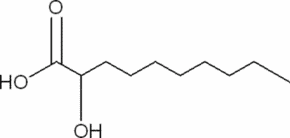
(±)-2-Hydroxydecanoic acid
C10H20O3
Biochemicals & Reagents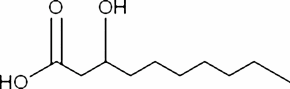
(±)-3-Hydroxydecanoic acid
C10H20O3
Biochemicals & Reagents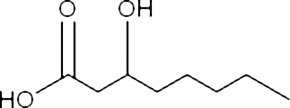
(±)-3-Hydroxyoctanoic acid
C8H16O3
Biochemicals & Reagents