
Hyaluronic acid sodium salt from bovine vitreous humor
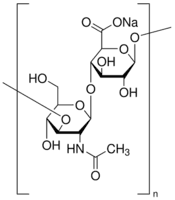
Hyaluronic acid sodium salt from bovine vitreous humor (CAS 9067-32-7) is a naturally occurring glycosaminoglycan. It is a polymer composed of repeating disaccharide units of N-acetylglucosamine and glucuronic acid. This high molecular weight polysaccharide plays a crucial role in maintaining tissue hydration and viscoelasticity. Its applications span biomedical research and formulation development, particularly in areas related to joint health and tissue regeneration.
- IUPAC
- Poly(β-glucuronic acid-[1→3]-β-N-acetylglucosamine-[1→4]), alternating
Viscosupplement Preparation
Hyaluronic acid sodium salt is utilised in the creation of viscosupplements. These are often employed in the therapeutic management of conditions such as osteoarthritis, aiming to restore joint lubrication and reduce pain.
Vitreous Replacement Gels
The compound finds application in the development of vitreous replacement gels for ophthalmological use. These gels can assist in maintaining ocular structure and function after certain surgical procedures.
Wound Repair Studies
Hyaluronic acid sodium salt is investigated for its role in wound repair processes. Its presence is known to influence cellular activity and tissue remodelling during healing.
Stem Cell Modulation
Research explores the potential of hyaluronic acid sodium salt as a modulator of stem cell growth and differentiation. This suggests applications in regenerative medicine research.
| Linear formula | (C14H21NaNO11)n |
|---|---|
| Solubility | H2O: soluble5 mg/mL, clear, colorless |
| Storage temperature | −20°C |
| Impurities tested | ≤5% Protein (Lowry) |
| Application | Hyaluronic acid is used in the preparation of viscosupplements for the treatment of conditions such as osteoarthritis and for the development of vitreous replacement gels. Hyaluronic acid is also used in studies of wound repair and as a possible modulator of stem cell growth and differentiation. |
| Protective equipment | dust mask type N95 (US), Eyeshields, Gloves |
|---|---|
| Water hazard class (WGK, DE) | 3 |
Hazard information is provided for guidance. Always consult the product Safety Data Sheet (SDS), available on request, before handling.
| Intrinsic Viscosity | ≥60(not determined by Sigma)(lit.) |
|---|
Documentation
Every batch ships with a Certificate of Analysis covering assay, identity and purity; the grade is confirmed against your enquiry. Safety Data Sheets and technical data sheets are available on request.
Supply & logistics
Samples for technical evaluation; bulk MOQ by grade and packaging. In-stock material ships in 7–10 working days, worldwide, with full export documentation.
What is Hyaluronic acid sodium salt from bovine vitreous humor used for?
+
Hyaluronic acid sodium salt is used in the preparation of viscosupplements for osteoarthritis treatment, vitreous replacement gels, wound repair studies, and as a modulator of stem cell growth.
What is the CAS number and formula for Hyaluronic acid sodium salt from bovine vitreous humor?
+
The CAS number is 9067-32-7 and its linear formula is (C14H21NaNO11)n.
What grade and purity does Tech Serve Solutions supply?
+
Tech Serve Solutions supplies Hyaluronic acid sodium salt with ≤5% Protein (Lowry) impurity. We do not represent this product as USP, BP, EP, or any other pharmacopoeia grade.
How should Hyaluronic acid sodium salt from bovine vitreous humor be handled and stored?
+
Handle with appropriate personal protective equipment including a dust mask type N95 (US), eyeshields, and gloves. Store at -20°C. For waste disposal, note that its WGK Germany rating is 3.
Is Hyaluronic acid sodium salt from bovine vitreous humor packed and shipped internationally by TSS?
+
Yes, Tech Serve Solutions is a specialist global supplier and exporter of fine chemicals, including Hyaluronic acid sodium salt.
How can I request a quote or sample for Hyaluronic acid sodium salt from bovine vitreous humor?
+
Please contact our sales team via the website or direct email to request a quote or sample.
▶ Related products
![(±)-(E)-4-Ethyl-2-[(E)-hydroxyimino]-5-nitro-3-hexenamide (C8H13N3O4) — chemical structure, CAS 138472-01-2; Biochemicals & Reagents, fine chemical supplied by Tech Serve Solutions](/_next/image?url=https%3A%2F%2Fpub-f4d920c906024441a773a96f7098e551.r2.dev%2Fimages%2Fproducts%2F138472-01-2.png&w=3840&q=75)
(±)-(E)-4-Ethyl-2-[(E)-hydroxyimino]-5-nitro-3-hexenamide
C8H13N3O4
Biochemicals & Reagents![(±)-(E)-4-Ethyl-2-[(Z)-hydroxyimino]-5-nitro-3-hexen-1-yl-nicotinamide (C14H18N4O4) — chemical structure, CAS 162626-99-5; Biochemicals & Reagents, fine chemical supplied by Tech Serve Solutions](/_next/image?url=https%3A%2F%2Fpub-f4d920c906024441a773a96f7098e551.r2.dev%2Fimages%2Fproducts%2F162626-99-5.png&w=3840&q=75)
(±)-(E)-4-Ethyl-2-[(Z)-hydroxyimino]-5-nitro-3-hexen-1-yl-nicotinamide
C14H18N4O4
Biochemicals & Reagents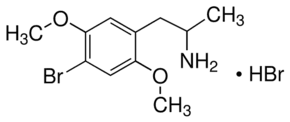
(±)-2,5-Dimethoxy-4-bromoamphetamine hydrobromide
Biochemicals & Reagents
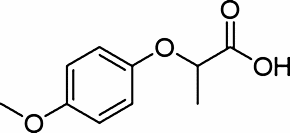
(±)-2-(p-Methoxyphenoxy)propionic acid
C10H12O4
Biochemicals & Reagents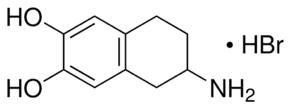
(±)-2-Amino-6,7-dihydroxy-1,2,3,4-tetrahydronaphthalene hydrobromide
C10H13NO2·HBr
Biochemicals & Reagents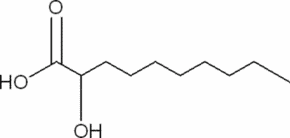
(±)-2-Hydroxydecanoic acid
C10H20O3
Biochemicals & Reagents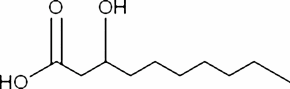
(±)-3-Hydroxydecanoic acid
C10H20O3
Biochemicals & Reagents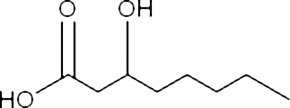
(±)-3-Hydroxyoctanoic acid
C8H16O3
Biochemicals & Reagents▶ Explore more

Bis(cyclopentadienyl)cobalt(III) hexafluorophosphate
C10H10CoF6P
Catalysis & Inorganic
1-(4-Chlorophenyl)biguanide hydrochloride
ClC6H4NHC(NH)NHC(NH)NH2 · HCl
Chemical Synthesis
Bis(cyclopentadienyl)dimethylzirconium(IV)
Catalysis & Inorganic

1-(4-Chlorophenyl)ethanol
ClC6H4CH(CH3)OH
Chemical Synthesis