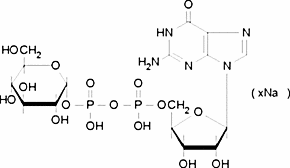
Guanosine 5′-diphosphoglucose sodium salt
Guanosine 5′-diphosphoglucose sodium salt (CAS: 103301-72-0), with the molecular formula C16H25N5O16P2, is a crucial nucleotide sugar donor. It serves as a substrate for glucosyltransferases, facilitating the transfer of glucose residues in various glycosylation reactions. This biochemical reagent is vital for research in carbohydrate metabolism, cell biology, and enzymatic studies, providing a key component for understanding complex biological pathways.
- IUPAC
- GDP-Glc,GDP-Glucose,GDPG
- Synonyms
- GDP-GlcGDP-GlucoseGDPG
Substrate for Glucosyltransferases
Guanosine 5′-diphosphoglucose sodium salt acts as an essential enzyme-available glucose donor for glucosyltransferases. These enzymes are responsible for attaching glucose units to various acceptor molecules.
Glycosylation Research
This compound is fundamental in research concerning glycosylation processes, including the synthesis of polysaccharides and glycoproteins. It supports studies into carbohydrate metabolism and cell surface modifications.
Biochemical Research Tool
As a biochemical reagent, it is utilised in studies of metabolic pathways and enzyme kinetics. Its role in providing glucose residues is key to understanding cellular energy transfer and structural biology.
| Molecular weight | 605.34 |
|---|---|
| Empirical formula | C16H25N5O16P2 |
| Storage temperature | −20°C |
| Application | Guanosine 5′-diphosphoglucose (GDP-Glucose) is a nucleotide sugar donor substrate for glucosylation reactions mediated by enzymes called glucosyltransferases. GDP-Glucose provides a source of enzyme-available glucose residues for attachment to a wide range of polysaccharide structures. |

Hazard statements
- H315Causes skin irritation
- H319Causes serious eye irritation
- H335May cause respiratory irritation
Precautionary statements
- P261Avoid breathing dust, fume, gas or vapours
- P305IF IN EYES
| Protective equipment | dust mask type N95 (US), Eyeshields, Gloves |
|---|---|
| Water hazard class (WGK, DE) | 3 |
| Hazard codes (EU) | Xi |
| Risk statements (R) | 36/37/38 |
| Safety statements (S) | 26-36 |
Hazard information is provided for guidance. Always consult the product Safety Data Sheet (SDS), available on request, before handling.
Documentation
Every batch ships with a Certificate of Analysis covering assay, identity and purity; the grade is confirmed against your enquiry. Safety Data Sheets and technical data sheets are available on request.
Supply & logistics
Samples for technical evaluation; bulk MOQ by grade and packaging. In-stock material ships in 7–10 working days, worldwide, with full export documentation.
What is Guanosine 5′-diphosphoglucose sodium salt used for?
+
Guanosine 5′-diphosphoglucose sodium salt is used as a nucleotide sugar donor substrate in glucosylation reactions catalysed by glucosyltransferases, providing enzyme-available glucose residues for polysaccharide synthesis and other biological processes.
What are the CAS number and formula for Guanosine 5′-diphosphoglucose sodium salt?
+
The CAS number is 103301-72-0 and the molecular formula is C16H25N5O16P2.
What grade and purity does Tech Serve Solutions supply?
+
Tech Serve Solutions supplies this product for research and laboratory use. The specific assay and purity are detailed in the product specifications. TSS does not represent this product as USP, BP, EP, or for human/veterinary use.
How should Guanosine 5′-diphosphoglucose sodium salt be handled safely?
+
Handle with care using appropriate personal protective equipment, including a dust mask (N95), eyeshields, and gloves. Avoid inhalation of dust and contact with skin and eyes. This compound may cause skin irritation, eye irritation, and respiratory irritation (H315, H319, H335).
Is this chemical packed and exported by TSS?
+
Yes, Tech Serve Solutions is a global supplier and exporter of fine chemicals, including Guanosine 5′-diphosphoglucose sodium salt, and can arrange for suitable packing and international shipment.
How can I request a sample or quote for Guanosine 5′-diphosphoglucose sodium salt?
+
To request a sample or a quote, please contact our sales team through the website or by phone, providing the product name and CAS number (103301-72-0).
▶ Related products
![(±)-(E)-4-Ethyl-2-[(E)-hydroxyimino]-5-nitro-3-hexenamide (C8H13N3O4) — chemical structure, CAS 138472-01-2; Biochemicals & Reagents, fine chemical supplied by Tech Serve Solutions](/_next/image?url=https%3A%2F%2Fpub-f4d920c906024441a773a96f7098e551.r2.dev%2Fimages%2Fproducts%2F138472-01-2.png&w=3840&q=75)
(±)-(E)-4-Ethyl-2-[(E)-hydroxyimino]-5-nitro-3-hexenamide
C8H13N3O4
Biochemicals & Reagents![(±)-(E)-4-Ethyl-2-[(Z)-hydroxyimino]-5-nitro-3-hexen-1-yl-nicotinamide (C14H18N4O4) — chemical structure, CAS 162626-99-5; Biochemicals & Reagents, fine chemical supplied by Tech Serve Solutions](/_next/image?url=https%3A%2F%2Fpub-f4d920c906024441a773a96f7098e551.r2.dev%2Fimages%2Fproducts%2F162626-99-5.png&w=3840&q=75)
(±)-(E)-4-Ethyl-2-[(Z)-hydroxyimino]-5-nitro-3-hexen-1-yl-nicotinamide
C14H18N4O4
Biochemicals & Reagents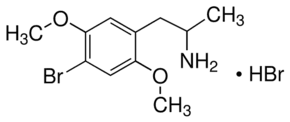
(±)-2,5-Dimethoxy-4-bromoamphetamine hydrobromide
Biochemicals & Reagents
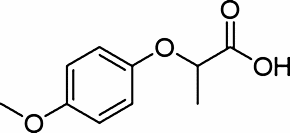
(±)-2-(p-Methoxyphenoxy)propionic acid
C10H12O4
Biochemicals & Reagents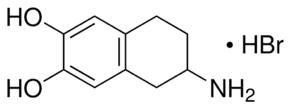
(±)-2-Amino-6,7-dihydroxy-1,2,3,4-tetrahydronaphthalene hydrobromide
C10H13NO2·HBr
Biochemicals & Reagents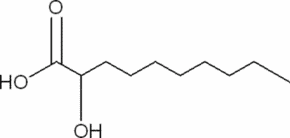
(±)-2-Hydroxydecanoic acid
C10H20O3
Biochemicals & Reagents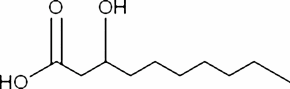
(±)-3-Hydroxydecanoic acid
C10H20O3
Biochemicals & Reagents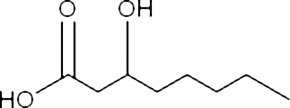
(±)-3-Hydroxyoctanoic acid
C8H16O3
Biochemicals & Reagents