
EPPS
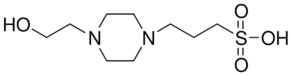
EPPS (CAS: 16052-06-5), with the molecular formula C9H20N2O4S and a molecular weight of 252.33 g/mol, is a zwitterionic buffer. It offers excellent buffering capacity within the physiological pH range of 7.3 to 8.7. Its high purity, suitable for cell culture, makes it valuable in biochemical research, diagnostics, and other life science applications requiring stable pH environments.
- IUPAC
- 4-(2-Hydroxyethyl)-1-piperazinepropanesulfonic acid,4-(2-Hydroxyethyl)piperazine-1-propanesulfonic acid,N-(2-Hydroxyethyl)piperazine-N′-(3-propanesulfonic acid),HEPPS
- Synonyms
- 4-(2-Hydroxyethyl)-1-piperazinepropanesulfonic acid4-(2-Hydroxyethyl)piperazine-1-propanesulfonic acidN-(2-Hydroxyethyl)piperazine-N′-(3-propanesulfonic acid)HEPPS
Biochemical Buffering
EPPS is widely used as a biological buffer in biochemical assays and experiments. Its zwitterionic nature and effective buffering range make it ideal for maintaining stable pH conditions crucial for enzyme activity and protein stability.
Cell Culture Media
With cell culture tested suitability, EPPS serves as a component in cell culture media. It helps to maintain the optimal pH for cell growth and metabolic processes, ensuring reliable experimental outcomes.
Diagnostic Reagents
The compound's reliable pH control properties are beneficial in the formulation of diagnostic reagents. Consistent pH is critical for the accuracy and performance of many in-vitro diagnostic tests.
| Molecular weight | 252.33 |
|---|---|
| Empirical formula | C9H20N2O4S |
| Assay | ≥99.5% (titration) |
| Impurities tested | endotoxin and Total Aerobic Microbial Count, tested |
| Suitability | cell culture tested |
| Melting point | 237-239 °C(lit.) |
| Protective equipment | Eyeshields, Gloves, type N95 (US), type P1 (EN143) respirator filter |
|---|---|
| Water hazard class (WGK, DE) | 3 |
| Cation traces | heavy metals (as Pb): ≤5 ppm |
Hazard information is provided for guidance. Always consult the product Safety Data Sheet (SDS), available on request, before handling.
| Ph Range | 7.3 - 8.7 |
|---|---|
| Useful Ph Range | 7.3 - 8.7 |
Documentation
Every batch ships with a Certificate of Analysis covering assay, identity and purity; the grade is confirmed against your enquiry. Safety Data Sheets and technical data sheets are available on request.
Supply & logistics
Samples for technical evaluation; bulk MOQ by grade and packaging. In-stock material ships in 7–10 working days, worldwide, with full export documentation.
What is EPPS used for?
+
EPPS (CAS: 16052-06-5) is primarily used as a biological buffer in biochemical research, cell culture, and diagnostic reagents due to its effective buffering capacity in the pH range of 7.3-8.7.
What are the CAS number and formula for EPPS?
+
The CAS number for EPPS is 16052-06-5, and its empirical formula (Hill notation) is C9H20N2O4S.
What grade and purity does Tech Serve Solutions supply?
+
Tech Serve Solutions supplies EPPS with an assay of ≥99.5% (titration). It is tested for endotoxin and Total Aerobic Microbial Count and is suitable for cell culture. TSS does not represent this product as USP, BP, or EP grade.
How should EPPS be handled safely?
+
When handling EPPS, it is recommended to wear eyeshields and gloves. A type N95 (US) or type P1 (EN143) respirator filter should be used if airborne exposure is a concern. EPPS is classified with a WGK Germany of 3.
Is EPPS a controlled substance?
+
Based on the provided data, EPPS is not indicated as a controlled substance.
How is EPPS typically shipped or exported?
+
EPPS is typically packed and exported in suitable containers to maintain its integrity during transit, adhering to international shipping regulations for chemicals.
How can I request a sample or quote for EPPS?
+
To request a sample or a quote for EPPS, please contact our sales department through the TSS website or by phone, providing your specific requirements.
▶ Related products
![(±)-(E)-4-Ethyl-2-[(E)-hydroxyimino]-5-nitro-3-hexenamide (C8H13N3O4) — chemical structure, CAS 138472-01-2; Biochemicals & Reagents, fine chemical supplied by Tech Serve Solutions](/_next/image?url=https%3A%2F%2Fpub-f4d920c906024441a773a96f7098e551.r2.dev%2Fimages%2Fproducts%2F138472-01-2.png&w=3840&q=75)
(±)-(E)-4-Ethyl-2-[(E)-hydroxyimino]-5-nitro-3-hexenamide
C8H13N3O4
Biochemicals & Reagents![(±)-(E)-4-Ethyl-2-[(Z)-hydroxyimino]-5-nitro-3-hexen-1-yl-nicotinamide (C14H18N4O4) — chemical structure, CAS 162626-99-5; Biochemicals & Reagents, fine chemical supplied by Tech Serve Solutions](/_next/image?url=https%3A%2F%2Fpub-f4d920c906024441a773a96f7098e551.r2.dev%2Fimages%2Fproducts%2F162626-99-5.png&w=3840&q=75)
(±)-(E)-4-Ethyl-2-[(Z)-hydroxyimino]-5-nitro-3-hexen-1-yl-nicotinamide
C14H18N4O4
Biochemicals & Reagents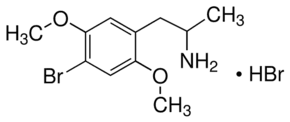
(±)-2,5-Dimethoxy-4-bromoamphetamine hydrobromide
Biochemicals & Reagents
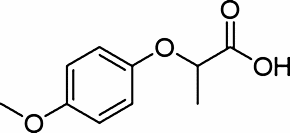
(±)-2-(p-Methoxyphenoxy)propionic acid
C10H12O4
Biochemicals & Reagents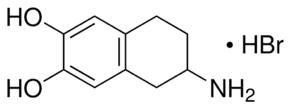
(±)-2-Amino-6,7-dihydroxy-1,2,3,4-tetrahydronaphthalene hydrobromide
C10H13NO2·HBr
Biochemicals & Reagents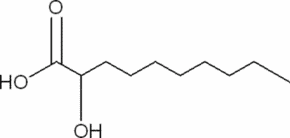
(±)-2-Hydroxydecanoic acid
C10H20O3
Biochemicals & Reagents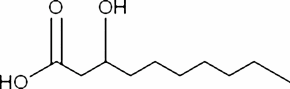
(±)-3-Hydroxydecanoic acid
C10H20O3
Biochemicals & Reagents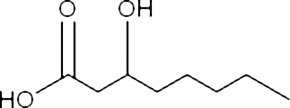
(±)-3-Hydroxyoctanoic acid
C8H16O3
Biochemicals & Reagents▶ Explore more

Bis(cyclopentadienyl)cobalt(III) hexafluorophosphate
C10H10CoF6P
Catalysis & Inorganic
1-(4-Chlorophenyl)biguanide hydrochloride
ClC6H4NHC(NH)NHC(NH)NH2 · HCl
Chemical Synthesis
Bis(cyclopentadienyl)dimethylzirconium(IV)
Catalysis & Inorganic

1-(4-Chlorophenyl)ethanol
ClC6H4CH(CH3)OH
Chemical Synthesis