
Dihydroethidium
Dihydroethidium (CAS: 104821-25-2, Formula: C21H21N3) is a fluorescent probe vital for detecting reactive oxygen species (ROS), particularly superoxides. With a molecular weight of 315.41 g/mol, this biochemical reagent is suitable for fluorescence applications. Dihydroethidium is widely used in research for its ability to indicate oxidative stress, making it an essential tool in biological and biochemical laboratories.
- IUPAC
- 2,7-Diamino-10-ethyl-9-phenyl-9,10-dihydrophenanthridine,3,8-Diamino-5,6-dihydro-5-ethyl-6-phenylphenanthridine,Hydroethidine
- Synonyms
- Hydroethidine

Reactive Oxygen Species (ROS) Detection
Dihydroethidium (dHEt) serves as a sensitive fluorescent probe for the detection and quantification of intracellular reactive oxygen species, specifically superoxides. Its interaction with ROS leads to a change in fluorescence, enabling researchers to monitor oxidative stress.
Fluorescence Microscopy and Flow Cytometry
The compound's fluorescent properties make it suitable for use in fluorescence microscopy and flow cytometry. It allows for the visualization and analysis of ROS production in cells, aiding in the study of cellular processes and disease mechanisms.
Biochemical Research Tool
As a key reagent in biochemical assays, Dihydroethidium is employed to investigate pathways involving oxidative damage and cellular defence mechanisms. Its reliability ensures accurate results in various research settings.
| Molecular weight | 315.41 |
|---|---|
| Empirical formula | C21H21N3 |
| Assay | ≥95% |
| Solubility | chloroform: soluble20 mg/mL |
| Storage temperature | −20°C |
| Application | Dihydroethidium (dHEt), a fluorescene probe, is used to detect the presence of reactive oxygen species (ROS) such as superoxides. |
| Suitability | suitable for fluorescence |
| Protective equipment | Eyeshields, Gloves, type N95 (US), type P1 (EN143) respirator filter |
|---|---|
| Water hazard class (WGK, DE) | 3 |
Hazard information is provided for guidance. Always consult the product Safety Data Sheet (SDS), available on request, before handling.
| Product Line | BioReagent |
|---|---|
| Fluorescence | λex 358 nm; λem 461 nmλex 392 nm; λem 410 nm in methanol |
Documentation
Every batch ships with a Certificate of Analysis covering assay, identity and purity; the grade is confirmed against your enquiry. Safety Data Sheets and technical data sheets are available on request.
Supply & logistics
Samples for technical evaluation; bulk MOQ by grade and packaging. In-stock material ships in 7–10 working days, worldwide, with full export documentation.
What is Dihydroethidium used for?
+
Dihydroethidium (dHEt) is used as a fluorescent probe to detect and quantify reactive oxygen species (ROS), such as superoxides, indicating oxidative stress in biological samples. It is suitable for fluorescence microscopy and flow cytometry.
What are the CAS number and molecular formula for Dihydroethidium?
+
The CAS number for Dihydroethidium is 104821-25-2, and its molecular formula is C21H21N3.
What grade and purity does Tech Serve Solutions supply for Dihydroethidium?
+
Tech Serve Solutions supplies Dihydroethidium with an assay of ≥95%. We do not represent this product as USP, BP, EP, or any other pharmacopoeia grade.
How should Dihydroethidium be handled and stored?
+
When handling Dihydroethidium, wear appropriate personal protective equipment, including eyeshields, gloves, and a type N95 (US) or type P1 (EN143) respirator filter. Store the compound at -20°C.
How is Dihydroethidium packed, shipped, and exported?
+
Dihydroethidium is carefully packed to ensure product integrity during transit. As a global supplier, Tech Serve Solutions professionally exports chemicals worldwide, adhering to all relevant shipping regulations.
How can I request a sample or quote for Dihydroethidium?
+
To request a sample or a quotation for Dihydroethidium, please use the contact form on our website or call our sales department directly.
▶ Related products
![(±)-(E)-4-Ethyl-2-[(E)-hydroxyimino]-5-nitro-3-hexenamide (C8H13N3O4) — chemical structure, CAS 138472-01-2; Biochemicals & Reagents, fine chemical supplied by Tech Serve Solutions](/_next/image?url=https%3A%2F%2Fpub-f4d920c906024441a773a96f7098e551.r2.dev%2Fimages%2Fproducts%2F138472-01-2.png&w=3840&q=75)
(±)-(E)-4-Ethyl-2-[(E)-hydroxyimino]-5-nitro-3-hexenamide
C8H13N3O4
Biochemicals & Reagents![(±)-(E)-4-Ethyl-2-[(Z)-hydroxyimino]-5-nitro-3-hexen-1-yl-nicotinamide (C14H18N4O4) — chemical structure, CAS 162626-99-5; Biochemicals & Reagents, fine chemical supplied by Tech Serve Solutions](/_next/image?url=https%3A%2F%2Fpub-f4d920c906024441a773a96f7098e551.r2.dev%2Fimages%2Fproducts%2F162626-99-5.png&w=3840&q=75)
(±)-(E)-4-Ethyl-2-[(Z)-hydroxyimino]-5-nitro-3-hexen-1-yl-nicotinamide
C14H18N4O4
Biochemicals & Reagents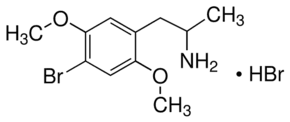
(±)-2,5-Dimethoxy-4-bromoamphetamine hydrobromide
Biochemicals & Reagents
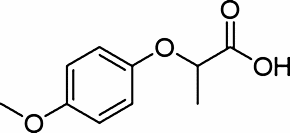
(±)-2-(p-Methoxyphenoxy)propionic acid
C10H12O4
Biochemicals & Reagents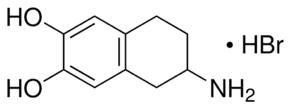
(±)-2-Amino-6,7-dihydroxy-1,2,3,4-tetrahydronaphthalene hydrobromide
C10H13NO2·HBr
Biochemicals & Reagents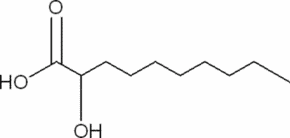
(±)-2-Hydroxydecanoic acid
C10H20O3
Biochemicals & Reagents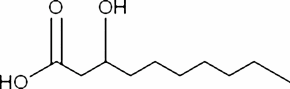
(±)-3-Hydroxydecanoic acid
C10H20O3
Biochemicals & Reagents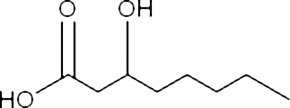
(±)-3-Hydroxyoctanoic acid
C8H16O3
Biochemicals & Reagents▶ Explore more

Bis(cyclopentadienyl)cobalt(III) hexafluorophosphate
C10H10CoF6P
Catalysis & Inorganic
1-(4-Chlorophenyl)biguanide hydrochloride
ClC6H4NHC(NH)NHC(NH)NH2 · HCl
Chemical Synthesis
Bis(cyclopentadienyl)dimethylzirconium(IV)
Catalysis & Inorganic

1-(4-Chlorophenyl)ethanol
ClC6H4CH(CH3)OH
Chemical Synthesis