
Cytochalasin D
Cytochalasin D (CAS: 22144-77-0), with the molecular formula C30H37NO6 and a molecular weight of 507.62 g/mol, is a potent biochemical inhibitor of actin polymerization. It disrupts microfilament formation, impacting cellular processes. Primarily utilised in scientific research, it serves as a valuable tool for investigating cellular mechanics, cell motility, and cell division. Cytochalasin D is available from Tech Serve Solutions with an assay of ≥98%.
- IUPAC
- Zygosporin A
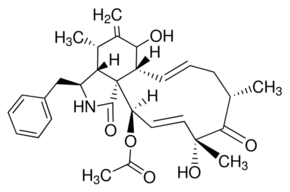
Inhibition of Actin Polymerization
Cytochalasin D is a well-established inhibitor of actin polymerization. It disrupts the dynamic organisation of actin filaments, which are crucial for cell structure, motility, and intracellular transport.
Cellular Process Research
Its ability to interfere with the cytoskeleton makes it an invaluable tool for studying cellular processes such as cell division, phagocytosis, and cell migration in various research models.
Biochemical Research Tool
As a biochemical reagent, Cytochalasin D is used to probe the roles of actin and microfilaments in diverse biological pathways and cellular functions.
| Molecular weight | 507.62 |
|---|---|
| Empirical formula | C30H37NO6 |
| Assay | ≥98% (TLC and HPLC) |
| Solubility | DMSO: solubleethanol: soluble |
| Storage temperature | −20°C |
| Application | Cytochalasin B is used to inhibit sugar transport in fibroblasts 1, decrease cytoskeletal actin and myosin in rabbit neutrophils 2, and to stimulate B lymphocytes 3. It is a potent inhibitor of actin polymerization, disrupts actin microfilaments, activates the p53-dependent pathways, inhibits smooth muscle contraction, and inhibits insulin-stimulated glucose transport. |
Precautionary statements
- P264Wash thoroughly after handling
- P281Use personal protective equipment as required
- P301IF SWALLOWED
| Protective equipment | Eyeshields, Gloves, half-mask respirator (EU), half-mask respirator (US), multi-purpose combination respirator cartridge (US) |
|---|---|
| Flash point | 87 °C / 188.6 °F |
| Transport (UN / ADR) | UN 1993 / PGIII |
| Water hazard class (WGK, DE) | 2 |
Hazard information is provided for guidance. Always consult the product Safety Data Sheet (SDS), available on request, before handling.
Documentation
Every batch ships with a Certificate of Analysis covering assay, identity and purity; the grade is confirmed against your enquiry. Safety Data Sheets and technical data sheets are available on request.
Supply & logistics
Samples for technical evaluation; bulk MOQ by grade and packaging. In-stock material ships in 7–10 working days, worldwide, with full export documentation.
What is Cytochalasin D primarily used for?
+
Cytochalasin D is primarily used in scientific research as a potent inhibitor of actin polymerization, disrupting microfilament formation and impacting cellular processes like cell division and motility.
What is the CAS number and molecular formula for Cytochalasin D?
+
The CAS number for Cytochalasin D is 22144-77-0, and its molecular formula is C30H37NO6.
What grade and purity does Tech Serve Solutions supply?
+
Tech Serve Solutions supplies Cytochalasin D with an assay of ≥98% (TLC and HPLC). This product is intended for research purposes and is not represented as USP, BP, EP, or pharmacopoeia grade.
How should Cytochalasin D be handled and stored?
+
Handling requires appropriate personal protective equipment, including eyeshields and gloves, and potentially respiratory protection. It should be stored at -20°C. Refer to the safety data sheet for comprehensive handling and disposal information.
Is Cytochalasin D available for international export?
+
Yes, Tech Serve Solutions specialises in global supply and export of fine chemicals, including Cytochalasin D, adhering to all relevant shipping regulations (e.g., UN 1993 / PGIII).
How can I request a quote or sample for Cytochalasin D?
+
To request a quote or a sample of Cytochalasin D, please contact our sales team through the enquiry form on our website or by calling our customer service line.
▶ Related products
![(±)-(E)-4-Ethyl-2-[(E)-hydroxyimino]-5-nitro-3-hexenamide (C8H13N3O4) — chemical structure, CAS 138472-01-2; Biochemicals & Reagents, fine chemical supplied by Tech Serve Solutions](/_next/image?url=https%3A%2F%2Fpub-f4d920c906024441a773a96f7098e551.r2.dev%2Fimages%2Fproducts%2F138472-01-2.png&w=3840&q=75)
(±)-(E)-4-Ethyl-2-[(E)-hydroxyimino]-5-nitro-3-hexenamide
C8H13N3O4
Biochemicals & Reagents![(±)-(E)-4-Ethyl-2-[(Z)-hydroxyimino]-5-nitro-3-hexen-1-yl-nicotinamide (C14H18N4O4) — chemical structure, CAS 162626-99-5; Biochemicals & Reagents, fine chemical supplied by Tech Serve Solutions](/_next/image?url=https%3A%2F%2Fpub-f4d920c906024441a773a96f7098e551.r2.dev%2Fimages%2Fproducts%2F162626-99-5.png&w=3840&q=75)
(±)-(E)-4-Ethyl-2-[(Z)-hydroxyimino]-5-nitro-3-hexen-1-yl-nicotinamide
C14H18N4O4
Biochemicals & Reagents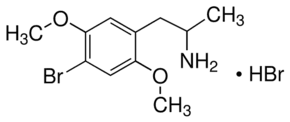
(±)-2,5-Dimethoxy-4-bromoamphetamine hydrobromide
Biochemicals & Reagents
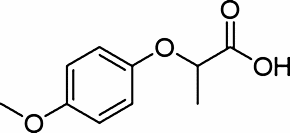
(±)-2-(p-Methoxyphenoxy)propionic acid
C10H12O4
Biochemicals & Reagents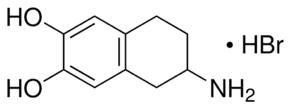
(±)-2-Amino-6,7-dihydroxy-1,2,3,4-tetrahydronaphthalene hydrobromide
C10H13NO2·HBr
Biochemicals & Reagents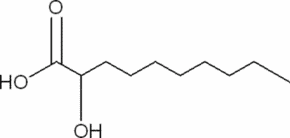
(±)-2-Hydroxydecanoic acid
C10H20O3
Biochemicals & Reagents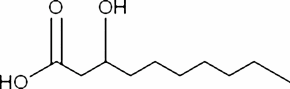
(±)-3-Hydroxydecanoic acid
C10H20O3
Biochemicals & Reagents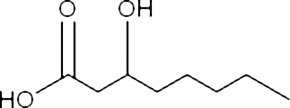
(±)-3-Hydroxyoctanoic acid
C8H16O3
Biochemicals & Reagents▶ Explore more

Bis(cyclopentadienyl)cobalt(III) hexafluorophosphate
C10H10CoF6P
Catalysis & Inorganic
1-(4-Chlorophenyl)biguanide hydrochloride
ClC6H4NHC(NH)NHC(NH)NH2 · HCl
Chemical Synthesis
Bis(cyclopentadienyl)dimethylzirconium(IV)
Catalysis & Inorganic

1-(4-Chlorophenyl)ethanol
ClC6H4CH(CH3)OH
Chemical Synthesis