
Coenzyme Q4
Coenzyme Q4 (CAS 4370-62-1) is a lipid-soluble benzoquinone with the molecular formula C29H42O4 and a molecular weight of 454.64 g/mol. It belongs to the ubiquinone family, differing from the more common CoQ10 by having a shorter isoprenyl tail. CoQ4 is integral to cell membranes, playing crucial roles in electron and proton transport, and is often used in comparative research to understand how isoprenyl chain length affects coenzyme Q functions and distribution within biological systems.
- IUPAC
- 2,3-Dimethoxy-5-methyl-6-(geranylgeranyl)-1,4-benzoquinone,Q-4,Ubiquinone-20,Ubiquinone-4
- Synonyms
- Ubiquinone-4Q-42,3-Dimethoxy-5-methyl-6-(geranylgeranyl)-1,4-benzoquinoneUbiquinone-20

Cellular Respiration Research
Coenzyme Q4 is vital for electron transport chain function, a key process in cellular respiration and ATP production. It is frequently employed in studies investigating the bioenergetics of cells and mitochondria.
Comparative Coenzyme Q Studies
As a member of the ubiquinone family, CoQ4 is used in research to elucidate the impact of varying isoprenyl chain lengths on the biological activities, membrane localization, and antioxidant properties of coenzyme Q compounds.
Biochemical and Metabolic Pathway Investigations
This compound serves as a valuable tool for researchers exploring broader biochemical pathways, lipid metabolism, and cell signalling mechanisms where ubiquinones play a role.
| Molecular weight | 454.64 |
|---|---|
| Empirical formula | C29H42O4 |
| Assay | ≥90% |
| Storage temperature | −20°C |
| Application | Coenzyme Q4 (CoQ4) is a 4 isoprenyl group member of a family of ubiquinones that share a quinine chemical group but differ in the number of isoprenyl chemical subunits in their tail. The CoQ compounds are lipid soluble components of cell membranes where they perform multiple functions such as electron and proton transport. The most well studied CoQ compound is CoQ10. CoQ4 is frequently used in comparison studies on the effect of isoprenyl chain length on CoQ functions or distribution. |
| Protective equipment | Eyeshields, Gloves |
|---|---|
| Water hazard class (WGK, DE) | 3 |
Hazard information is provided for guidance. Always consult the product Safety Data Sheet (SDS), available on request, before handling.
Documentation
Every batch ships with a Certificate of Analysis covering assay, identity and purity; the grade is confirmed against your enquiry. Safety Data Sheets and technical data sheets are available on request.
Supply & logistics
Samples for technical evaluation; bulk MOQ by grade and packaging. In-stock material ships in 7–10 working days, worldwide, with full export documentation.
What is Coenzyme Q4 primarily used for?
+
Coenzyme Q4 (CAS 4370-62-1) is used in research for studying cellular respiration, electron transport, and comparative analyses of coenzyme Q functions based on isoprenyl chain length.
What are the CAS number and molecular formula for Coenzyme Q4?
+
The CAS number for Coenzyme Q4 is 4370-62-1, and its molecular formula is C29H42O4.
What grade and purity does Tech Serve Solutions supply for Coenzyme Q4?
+
Tech Serve Solutions supplies Coenzyme Q4 with a minimum purity of 90% (assay ≥90%). This product is intended for research purposes and is not represented as USP, BP, EP, or other pharmacopoeia grades.
How should Coenzyme Q4 be handled and stored?
+
For safe handling, wear eyeshields and gloves. Coenzyme Q4 has a WGK Germany classification of 3, indicating it is a hazard to water. Store at -20°C.
How is Coenzyme Q4 packed, shipped, and exported?
+
Coenzyme Q4 is packed according to industry best practices to ensure product integrity during transport. Tech Serve Solutions is an experienced global exporter of fine chemicals and laboratory reagents.
How can I request a sample or a quote for Coenzyme Q4?
+
To request a sample or a quote for Coenzyme Q4, please contact the Tech Serve Solutions sales team via our website or direct inquiry channels.
▶ Related products
![(±)-(E)-4-Ethyl-2-[(E)-hydroxyimino]-5-nitro-3-hexenamide (C8H13N3O4) — chemical structure, CAS 138472-01-2; Biochemicals & Reagents, fine chemical supplied by Tech Serve Solutions](/_next/image?url=https%3A%2F%2Fpub-f4d920c906024441a773a96f7098e551.r2.dev%2Fimages%2Fproducts%2F138472-01-2.png&w=3840&q=75)
(±)-(E)-4-Ethyl-2-[(E)-hydroxyimino]-5-nitro-3-hexenamide
C8H13N3O4
Biochemicals & Reagents![(±)-(E)-4-Ethyl-2-[(Z)-hydroxyimino]-5-nitro-3-hexen-1-yl-nicotinamide (C14H18N4O4) — chemical structure, CAS 162626-99-5; Biochemicals & Reagents, fine chemical supplied by Tech Serve Solutions](/_next/image?url=https%3A%2F%2Fpub-f4d920c906024441a773a96f7098e551.r2.dev%2Fimages%2Fproducts%2F162626-99-5.png&w=3840&q=75)
(±)-(E)-4-Ethyl-2-[(Z)-hydroxyimino]-5-nitro-3-hexen-1-yl-nicotinamide
C14H18N4O4
Biochemicals & Reagents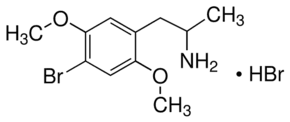
(±)-2,5-Dimethoxy-4-bromoamphetamine hydrobromide
Biochemicals & Reagents
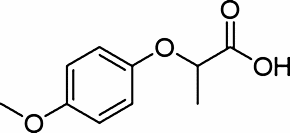
(±)-2-(p-Methoxyphenoxy)propionic acid
C10H12O4
Biochemicals & Reagents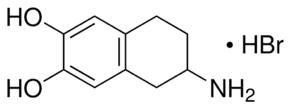
(±)-2-Amino-6,7-dihydroxy-1,2,3,4-tetrahydronaphthalene hydrobromide
C10H13NO2·HBr
Biochemicals & Reagents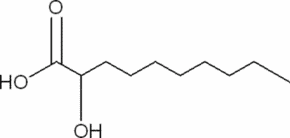
(±)-2-Hydroxydecanoic acid
C10H20O3
Biochemicals & Reagents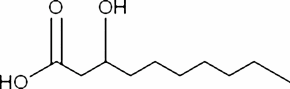
(±)-3-Hydroxydecanoic acid
C10H20O3
Biochemicals & Reagents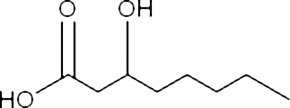
(±)-3-Hydroxyoctanoic acid
C8H16O3
Biochemicals & Reagents▶ Explore more

Bis(cyclopentadienyl)cobalt(III) hexafluorophosphate
C10H10CoF6P
Catalysis & Inorganic
1-(4-Chlorophenyl)biguanide hydrochloride
ClC6H4NHC(NH)NHC(NH)NH2 · HCl
Chemical Synthesis
Bis(cyclopentadienyl)dimethylzirconium(IV)
Catalysis & Inorganic

1-(4-Chlorophenyl)ethanol
ClC6H4CH(CH3)OH
Chemical Synthesis