
Cercosporin from Cercospora hayii
Cercosporin from Cercospora hayii (CAS: 35082-49-6), with the molecular formula C29H26O10 and a molecular weight of 534.51 g/mol, is a distinctive red pigment. Isolated from cultures of a banana pathogen, this compound has found utility in microbiological research. Specifically, it has been employed to investigate toxin biodegradation processes in various bacterial species, contributing to a deeper understanding of microbial interactions and biochemical pathways.
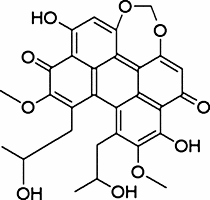
Microbiological Research
Cercosporin is utilised in laboratory settings for research purposes, particularly in the study of microbial metabolites and their effects. Its isolation from a plant pathogen makes it relevant for investigations into phytopathogenic mechanisms.
Toxin Biodegradation Studies
This compound has been specifically used to study the biodegradation of toxins by microorganisms. Research has involved its application in examining how bacteria, such as Bacterium Xanthomonas campestris pv. Zinniae, process and break down Cercosporin.
Biochemical Investigations
As a naturally occurring pigment with a defined chemical structure, Cercosporin serves as a valuable tool in biochemical research, aiding in the elucidation of metabolic pathways and the identification of novel bioactive compounds.
| Molecular weight | 534.51 |
|---|---|
| Empirical formula | C29H26O10 |
| Storage temperature | 2-8°C |
| Application | Cercosporin (C29H26O10) is a red pigment that has been isolated from cultures of a banana pathogen 1. It has been used to study toxin biodegredation in species such as Bacterium Xanthomonas campestris pv. Zinniae 2. |
Documentation
Every batch ships with a Certificate of Analysis covering assay, identity and purity; the grade is confirmed against your enquiry. Safety Data Sheets and technical data sheets are available on request.
Supply & logistics
Samples for technical evaluation; bulk MOQ by grade and packaging. In-stock material ships in 7–10 working days, worldwide, with full export documentation.
What is Cercosporin from Cercospora hayii used for?
+
Cercosporin from Cercospora hayii is primarily used in microbiological and biochemical research, particularly for studying toxin biodegradation processes in bacterial species.
What is the CAS number and molecular formula for Cercosporin from Cercospora hayii?
+
The CAS number is 35082-49-6 and the molecular formula is C29H26O10.
What grade and purity does Tech Serve Solutions supply?
+
Tech Serve Solutions supplies Cercosporin from Cercospora hayii typically as a research or technical grade chemical. As this compound is not designated as USP, BP, or EP, TSS does not represent it as such.
How should Cercosporin from Cercospora hayii be handled and stored?
+
According to safety data, this compound has a WGK Germany rating of 3, indicating it is hazardous to water. It should be stored at 2-8°C. Handle with appropriate personal protective equipment in a well-ventilated area.
Does Tech Serve Solutions export Cercosporin from Cercospora hayii?
+
Yes, Tech Serve Solutions is a global supplier and exporter of fine chemicals, including Cercosporin from Cercospora hayii, catering to international research and industrial needs.
How can I request a quote or sample of Cercosporin from Cercospora hayii?
+
To request a quote or sample of Cercosporin from Cercospora hayii, please contact our sales department through the TSS website or by phone, providing your specific requirements.
▶ Related products
![(±)-(E)-4-Ethyl-2-[(E)-hydroxyimino]-5-nitro-3-hexenamide (C8H13N3O4) — chemical structure, CAS 138472-01-2; Biochemicals & Reagents, fine chemical supplied by Tech Serve Solutions](/_next/image?url=https%3A%2F%2Fpub-f4d920c906024441a773a96f7098e551.r2.dev%2Fimages%2Fproducts%2F138472-01-2.png&w=3840&q=75)
(±)-(E)-4-Ethyl-2-[(E)-hydroxyimino]-5-nitro-3-hexenamide
C8H13N3O4
Biochemicals & Reagents![(±)-(E)-4-Ethyl-2-[(Z)-hydroxyimino]-5-nitro-3-hexen-1-yl-nicotinamide (C14H18N4O4) — chemical structure, CAS 162626-99-5; Biochemicals & Reagents, fine chemical supplied by Tech Serve Solutions](/_next/image?url=https%3A%2F%2Fpub-f4d920c906024441a773a96f7098e551.r2.dev%2Fimages%2Fproducts%2F162626-99-5.png&w=3840&q=75)
(±)-(E)-4-Ethyl-2-[(Z)-hydroxyimino]-5-nitro-3-hexen-1-yl-nicotinamide
C14H18N4O4
Biochemicals & Reagents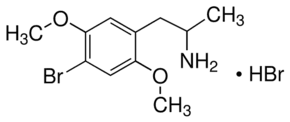
(±)-2,5-Dimethoxy-4-bromoamphetamine hydrobromide
Biochemicals & Reagents
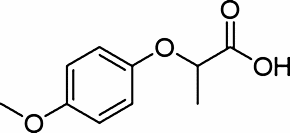
(±)-2-(p-Methoxyphenoxy)propionic acid
C10H12O4
Biochemicals & Reagents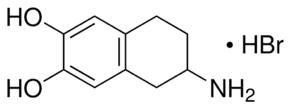
(±)-2-Amino-6,7-dihydroxy-1,2,3,4-tetrahydronaphthalene hydrobromide
C10H13NO2·HBr
Biochemicals & Reagents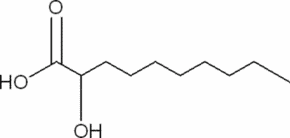
(±)-2-Hydroxydecanoic acid
C10H20O3
Biochemicals & Reagents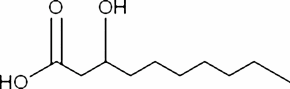
(±)-3-Hydroxydecanoic acid
C10H20O3
Biochemicals & Reagents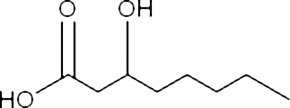
(±)-3-Hydroxyoctanoic acid
C8H16O3
Biochemicals & Reagents▶ Explore more

Bis(cyclopentadienyl)cobalt(III) hexafluorophosphate
C10H10CoF6P
Catalysis & Inorganic
1-(4-Chlorophenyl)biguanide hydrochloride
ClC6H4NHC(NH)NHC(NH)NH2 · HCl
Chemical Synthesis
Bis(cyclopentadienyl)dimethylzirconium(IV)
Catalysis & Inorganic

1-(4-Chlorophenyl)ethanol
ClC6H4CH(CH3)OH
Chemical Synthesis