
Carmustine
Carmustine (CAS: 154-93-8), a potent antineoplastic agent with the molecular formula C5H9Cl2N3O2 and a molecular weight of 214.05 g/mol, is primarily used in the treatment of brain tumours and certain lymphomas. It functions as an alkylating agent, cross-linking DNA to inhibit tumour cell replication. Available as an oily liquid to amorphous solid with an assay of ≥98%, Carmustine requires stringent handling due to its hazardous properties and is stored at −20°C.
- IUPAC
- 1,3-Bis(2-chloroethyl)-1-nitrosourea,BCNU
- Synonyms
- 1,3-Bis(2-chloroethyl)-1-nitrosourea,BCNU

Antineoplastic Agent
Carmustine is a crucial chemotherapeutic agent used in oncology. It is particularly effective against brain tumours such as glioblastoma multiforme and astrocytoma, as well as Hodgkin's and non-Hodgkin's lymphomas. Its mechanism involves alkylating DNA, which leads to cell death and inhibition of cancer cell proliferation.
DNA Cross-linking Agent
As a nitrosourea compound, Carmustine acts by cross-linking DNA strands. This disruption of DNA structure prevents cells from replicating and is a key mechanism by which it exerts its cytotoxic effects on rapidly dividing cancer cells. This makes it valuable in cancer research for studying DNA repair mechanisms.
Research Reagent in Cell Biology
Carmustine is utilised in research laboratories to study apoptosis and cell cycle regulation. Its ability to induce DNA damage and trigger cell death pathways makes it a valuable tool for investigating cellular responses to genotoxic stress and for developing new therapeutic strategies.
| Molecular weight | 214.05 |
|---|---|
| Empirical formula | C5H9Cl2N3O2 |
| Assay | ≥98% |
| Form | (Oily liquid to amorphous solid) |
| Storage temperature | −20°C |
| Melting point | 30 °C(lit.) |


Hazard statements
- H300Fatal if swallowed
- H350May cause cancer
- H360May damage fertility or the unborn child
Precautionary statements
- P201Obtain special instructions before use
- P264Wash thoroughly after handling
- P301IF SWALLOWED
- P308IF exposed or concerned
| Protective equipment | Eyeshields, Faceshields, full-face particle respirator type N100 (US), Gloves, respirator cartridge type N100 (US), type P1 (EN143) respirator filter, type P3 (EN 143) respirator cartridges |
|---|---|
| Transport (UN / ADR) | UN 2811 6.1 / PGII |
| Water hazard class (WGK, DE) | 3 |
| Hazard codes (EU) | T+ |
| Risk statements (R) | 45-46-60-61-28 |
| Safety statements (S) | 53-22-36/37/39-45 |
Hazard information is provided for guidance. Always consult the product Safety Data Sheet (SDS), available on request, before handling.
| Gene Information | human ... GSR(2936) |
|---|
Documentation
Every batch ships with a Certificate of Analysis covering assay, identity and purity; the grade is confirmed against your enquiry. Safety Data Sheets and technical data sheets are available on request.
Supply & logistics
Samples for technical evaluation; bulk MOQ by grade and packaging. In-stock material ships in 7–10 working days, worldwide, with full export documentation.
What is Carmustine used for?
+
Carmustine is primarily used as an antineoplastic agent to treat certain types of brain tumours and lymphomas. It is also used as a research reagent in cell biology to study apoptosis and DNA damage.
What is the CAS number and chemical formula for Carmustine?
+
The CAS number for Carmustine is 154-93-8 and its chemical formula is C5H9Cl2N3O2.
What grade and purity does Tech Serve Solutions supply?
+
Tech Serve Solutions supplies Carmustine with an assay of ≥98%. We do not represent this product as USP, BP, or EP grade.
How should Carmustine be handled?
+
Carmustine is a dangerous substance (Danger, H300, H350, H360). It is toxic if swallowed, may cause cancer, and may damage fertility or the unborn child. Appropriate personal protective equipment, including eyeshields, faceshields, gloves, and respiratory protection (e.g., N100 respirator), must be used. Handle in a well-ventilated area or under a fume hood.
Is Carmustine a controlled substance?
+
The provided data does not indicate that Carmustine is a controlled substance. However, its handling and use are subject to strict regulations due to its hazardous nature.
How is Carmustine typically packed and exported?
+
Carmustine is classified under UN 2811, 6.1/PGII, indicating it is a toxic substance. Shipments require specialised packaging and adherence to dangerous goods regulations for export.
How can I request a sample or quote for Carmustine?
+
To request a sample or quote for Carmustine, please contact our sales department through the website or by phone, providing your specific requirements.
▶ Related products
![(±)-(E)-4-Ethyl-2-[(E)-hydroxyimino]-5-nitro-3-hexenamide (C8H13N3O4) — chemical structure, CAS 138472-01-2; Biochemicals & Reagents, fine chemical supplied by Tech Serve Solutions](/_next/image?url=https%3A%2F%2Fpub-f4d920c906024441a773a96f7098e551.r2.dev%2Fimages%2Fproducts%2F138472-01-2.png&w=3840&q=75)
(±)-(E)-4-Ethyl-2-[(E)-hydroxyimino]-5-nitro-3-hexenamide
C8H13N3O4
Biochemicals & Reagents![(±)-(E)-4-Ethyl-2-[(Z)-hydroxyimino]-5-nitro-3-hexen-1-yl-nicotinamide (C14H18N4O4) — chemical structure, CAS 162626-99-5; Biochemicals & Reagents, fine chemical supplied by Tech Serve Solutions](/_next/image?url=https%3A%2F%2Fpub-f4d920c906024441a773a96f7098e551.r2.dev%2Fimages%2Fproducts%2F162626-99-5.png&w=3840&q=75)
(±)-(E)-4-Ethyl-2-[(Z)-hydroxyimino]-5-nitro-3-hexen-1-yl-nicotinamide
C14H18N4O4
Biochemicals & Reagents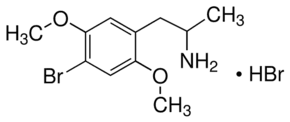
(±)-2,5-Dimethoxy-4-bromoamphetamine hydrobromide
Biochemicals & Reagents
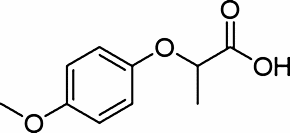
(±)-2-(p-Methoxyphenoxy)propionic acid
C10H12O4
Biochemicals & Reagents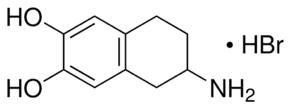
(±)-2-Amino-6,7-dihydroxy-1,2,3,4-tetrahydronaphthalene hydrobromide
C10H13NO2·HBr
Biochemicals & Reagents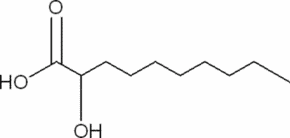
(±)-2-Hydroxydecanoic acid
C10H20O3
Biochemicals & Reagents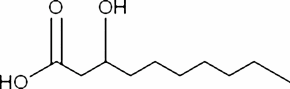
(±)-3-Hydroxydecanoic acid
C10H20O3
Biochemicals & Reagents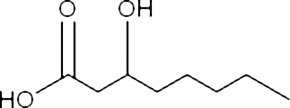
(±)-3-Hydroxyoctanoic acid
C8H16O3
Biochemicals & Reagents▶ Explore more

Bis(cyclopentadienyl)cobalt(III) hexafluorophosphate
C10H10CoF6P
Catalysis & Inorganic
1-(4-Chlorophenyl)biguanide hydrochloride
ClC6H4NHC(NH)NHC(NH)NH2 · HCl
Chemical Synthesis
Bis(cyclopentadienyl)dimethylzirconium(IV)
Catalysis & Inorganic

1-(4-Chlorophenyl)ethanol
ClC6H4CH(CH3)OH
Chemical Synthesis