bisBenzimide H 33258
bisBenzimide H 33258 (CAS: 23491-45-4, C25H24N6O · 3HCl) is a bibenzimidazole dye renowned for its use as a fluorescent stain. It selectively binds to adenine-thymine-rich regions in the minor groove of B-form DNA with high affinity. This membrane-permeable compound is valuable for DNA, chromosome, and nuclear staining, mycoplasma detection in tissue culture, and identifying early apoptosis.
- IUPAC
- 2′-(4-Hydroxyphenyl)-5-(4-methyl-1-piperazinyl)-2,5′-bi(1H-benzimidazole) trihydrochloride,2-[2-(4-Hydroxyphenyl)-6-benzimidazoyl]-6-(1-methyl-4-piperazyl)benzimidazole trihydrochloride,BBIH,BXI-72,HOE 33258,Hoechst 33258,NSC334072
- Synonyms
- Hoechst 33258HOE 33258BBIH2′-(4-Hydroxyphenyl)-5-(4-methyl-1-piperazinyl)-2,5′-bi(1H-benzimidazole) trihydrochloride2-[2-(4-Hydroxyphenyl)-6-benzimidazoyl]-6-(1-methyl-4-piperazyl)benzimidazole trihydrochlorideBXI-72NSC334072

Fluorescent DNA Staining
bisBenzimide H 33258 binds specifically to AT-rich regions of DNA, making it an effective stain for visualizing DNA, chromosomes, and nuclei in microscopy and flow cytometry applications.
Mycoplasma Contamination Detection
This dye is employed to detect mycoplasma contamination in cell cultures, offering a sensitive method for quality control in biological research and pharmaceutical production.
Apoptosis Detection
bisBenzimide H 33258 can indicate the early onset of apoptosis by interacting with DNA changes that occur during programmed cell death.
Cell Sorting
It is used for sorting living cells based on their DNA content, enabling researchers to isolate specific cell populations for further study.
DNA-Drug Interaction Studies
The compound serves as a probe to investigate interactions between DNA and various drug molecules, aiding in the development of new therapeutic agents.
| Molecular weight | 533.88 |
|---|---|
| Empirical formula | C25H24N6O · 3HCl |
| Assay | ≥98% (HPLC and TLC) |
| Grade | for fluorescence |
| Solubility | H2O: soluble10 mg/mLwater and ethanol: soluble10 mg/mL |
| Concentration | 1 mg/mL in H2O |
| Storage temperature | −20°C |
| Melting point | >300 °C(lit.) |
| Application | A bibenzimidazole dye that has been utilized as a fluorescent stain. It is membrane-permeable and selectively binds to adenine-thymine regions in the minor groove of B-form DNA 1,2 with a high binding constant, making it a useful stain for DNA, chromosomes, and nuclei 3,4. It has been shown that the fluorescence is relatively insensitive to the presence of various solution reagents (i.e., BSA, RNA, Tris, sucrose, TEA/EDTA, Triton X-100, and SDS)5. Furthermore, the solution ionic strength and pH has been shown to be independent of the Stokes’ shift of bisBenzimide H 33258 3. The properties of this dye make it useful in several applications such as detecting mycoplasma contamination in tissue culture 6,7, indicating early onset of apoptosis8,9, sorting living cells based on DNA content, and acting as a probe for DNA-Drug interactions3. Utilized in the design and |
| Suitability | passes application test for fluorescencesuitable for cell culture |

Hazard statements
- H302Harmful if swallowed
- H315Causes skin irritation
- H319Causes serious eye irritation
Precautionary statements
- P305IF IN EYES
| Protective equipment | dust mask type N95 (US), Eyeshields, Gloves |
|---|---|
| Water hazard class (WGK, DE) | 3 |
| Hazard codes (EU) | Xn |
| Risk statements (R) | 22-36/38 |
| Safety statements (S) | 26-36 |
Hazard information is provided for guidance. Always consult the product Safety Data Sheet (SDS), available on request, before handling.
| Absorption | λmax 343 nm |
|---|---|
| Fluorescence | λex 355 nm; λem 465 nm in TE buffer; DNA |
Documentation
Every batch ships with a Certificate of Analysis covering assay, identity and purity; the grade is confirmed against your enquiry. Safety Data Sheets and technical data sheets are available on request.
Supply & logistics
Samples for technical evaluation; bulk MOQ by grade and packaging. In-stock material ships in 7–10 working days, worldwide, with full export documentation.
What is bisBenzimide H 33258 used for?
+
bisBenzimide H 33258 is primarily used as a fluorescent stain for DNA, chromosomes, and nuclei. It is also employed for detecting mycoplasma contamination in tissue culture, indicating early apoptosis, sorting living cells by DNA content, and as a probe for DNA-drug interactions.
What are the CAS number and formula for bisBenzimide H 33258?
+
The CAS number for bisBenzimide H 33258 is 23491-45-4, and its empirical formula is C25H24N6O · 3HCl.
What grade and purity does Tech Serve Solutions supply?
+
Tech Serve Solutions supplies bisBenzimide H 33258 with an assay of ≥98% (HPLC and TLC), suitable for fluorescence and cell culture applications. It is not represented as USP, BP, or EP grade.
What are the safety considerations when handling bisBenzimide H 33258?
+
bisBenzimide H 33258 is classified as harmful if swallowed (H302), causes skin irritation (H315), and causes serious eye irritation (H319). Appropriate personal protective equipment including a dust mask (N95), eyeshields, and gloves should be used. Handle in a well-ventilated area.
How is bisBenzimide H 33258 packed and shipped?
+
bisBenzimide H 33258 is stored at −20°C. It is available as a lyophilised solid. TSS ships globally, complying with all relevant export regulations for fine chemicals and laboratory reagents.
How can I request a sample or quote for bisBenzimide H 33258?
+
To request a sample or a quote for bisBenzimide H 33258, please contact our sales team through the website or by phone, providing your specific requirements.
▶ Related products
![(±)-(E)-4-Ethyl-2-[(E)-hydroxyimino]-5-nitro-3-hexenamide (C8H13N3O4) — chemical structure, CAS 138472-01-2; Biochemicals & Reagents, fine chemical supplied by Tech Serve Solutions](/_next/image?url=https%3A%2F%2Fpub-f4d920c906024441a773a96f7098e551.r2.dev%2Fimages%2Fproducts%2F138472-01-2.png&w=3840&q=75)
(±)-(E)-4-Ethyl-2-[(E)-hydroxyimino]-5-nitro-3-hexenamide
C8H13N3O4
Biochemicals & Reagents![(±)-(E)-4-Ethyl-2-[(Z)-hydroxyimino]-5-nitro-3-hexen-1-yl-nicotinamide (C14H18N4O4) — chemical structure, CAS 162626-99-5; Biochemicals & Reagents, fine chemical supplied by Tech Serve Solutions](/_next/image?url=https%3A%2F%2Fpub-f4d920c906024441a773a96f7098e551.r2.dev%2Fimages%2Fproducts%2F162626-99-5.png&w=3840&q=75)
(±)-(E)-4-Ethyl-2-[(Z)-hydroxyimino]-5-nitro-3-hexen-1-yl-nicotinamide
C14H18N4O4
Biochemicals & Reagents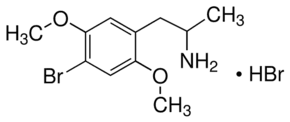
(±)-2,5-Dimethoxy-4-bromoamphetamine hydrobromide
Biochemicals & Reagents
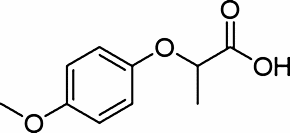
(±)-2-(p-Methoxyphenoxy)propionic acid
C10H12O4
Biochemicals & Reagents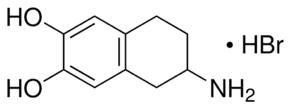
(±)-2-Amino-6,7-dihydroxy-1,2,3,4-tetrahydronaphthalene hydrobromide
C10H13NO2·HBr
Biochemicals & Reagents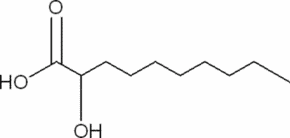
(±)-2-Hydroxydecanoic acid
C10H20O3
Biochemicals & Reagents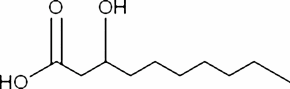
(±)-3-Hydroxydecanoic acid
C10H20O3
Biochemicals & Reagents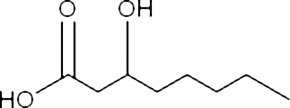
(±)-3-Hydroxyoctanoic acid
C8H16O3
Biochemicals & Reagents