
Ampicillin
Ampicillin trihydrate (CAS: 7177-48-2), with the empirical formula C16H19N3O4S · 3H2O and a molecular weight of 403.45 g/mol, is a crucial antibacterial agent. It functions by interfering with bacterial cell wall synthesis. This compound is widely utilised in molecular biology and genetics for selecting transformed cells that have acquired ampicillin resistance, making it an indispensable reagent in research and development.
- IUPAC
- D-(−)-α-Aminobenzylpenicillin,Ampicillin trihydrate
- Synonyms
- D-(−)-α-Aminobenzylpenicillin,Ampicillin trihydrate

Selection Marker in Molecular Biology
Ampicillin is employed to select for ampicillin resistance in mutated and transformed cells. This is critical for identifying successful gene insertions or modifications in genetic engineering experiments.
Antibacterial Agent
As a member of the penicillin family, ampicillin exhibits broad-spectrum antibacterial activity by inhibiting bacterial cell wall biosynthesis. It is used in various research settings to study bacterial resistance mechanisms and antibiotic efficacy.
Biochemical Research Reagent
Used in laboratories for a variety of biochemical assays and studies, particularly those involving bacterial cultures and antibiotic resistance studies. Its defined specifications ensure reliable experimental outcomes.
| Molecular weight | 403.45 |
|---|---|
| Empirical formula | C16H19N3O4S · 3H2O |
| Assay | 96.0-100.5% anhydrous basis (HPLC) |
| Storage temperature | 2-8°C |
| Application | Used to select for ampicillin resistance in mutated and transformed cells. |
| Suitability | meets USP testing specifications |
| Melting point | 198-200 °C (dec.)(lit.) |


Hazard statements
- H315Causes skin irritation
- H317May cause an allergic skin reaction
- H319Causes serious eye irritation
- H334May cause allergy or asthma symptoms if inhaled
- H335May cause respiratory irritation
Precautionary statements
- P261Avoid breathing dust, fume, gas or vapours
- P280Wear protective gloves, clothing and eye/face protection
- P305IF IN EYES
- P342
| Protective equipment | dust mask type N95 (US), Eyeshields, Faceshields, Gloves |
|---|---|
| Water hazard class (WGK, DE) | 2 |
| Hazard codes (EU) | Xn |
| Risk statements (R) | 36/37/38-42/43 |
| Safety statements (S) | 22-26-36/37 |
Hazard information is provided for guidance. Always consult the product Safety Data Sheet (SDS), available on request, before handling.
Documentation
Every batch ships with a Certificate of Analysis covering assay, identity and purity; the grade is confirmed against your enquiry. Safety Data Sheets and technical data sheets are available on request.
Supply & logistics
Samples for technical evaluation; bulk MOQ by grade and packaging. In-stock material ships in 7–10 working days, worldwide, with full export documentation.
What is Ampicillin primarily used for?
+
Ampicillin is primarily used to select for ampicillin resistance in mutated and transformed cells in molecular biology and genetic research. It also acts as an antibacterial agent by interfering with bacterial cell wall synthesis.
What is the CAS number and chemical formula for Ampicillin?
+
The CAS number for Ampicillin trihydrate is 7177-48-2, and its empirical formula is C16H19N3O4S · 3H2O.
What grade and purity does Tech Serve Solutions supply for Ampicillin?
+
Tech Serve Solutions supplies Ampicillin trihydrate with an assay of 96.0-100.5% on an anhydrous basis, meeting USP testing specifications. TSS does not represent this product as BP, EP, or for pharmaceutical use.
How should Ampicillin be handled safely?
+
Ampicillin trihydrate requires careful handling due to its potential to cause skin irritation, allergic skin reactions, eye irritation, respiratory irritation, and respiratory sensitisation. Use a dust mask (N95), eyeshields, face shields, and gloves. Ensure good ventilation and avoid inhaling dust.
Is Ampicillin a controlled substance?
+
The provided data does not indicate that Ampicillin (CAS: 7177-48-2) is a controlled substance.
How is Ampicillin shipped and exported?
+
Ampicillin trihydrate is typically stored at 2-8°C. TSS, as a global supplier and exporter, ensures appropriate packaging and shipping procedures are followed for international distribution, adhering to all relevant regulations.
How can I request a sample or quote for Ampicillin?
+
Please contact the TSS sales team directly through our website or via phone to request a sample or a formal quotation for Ampicillin.
▶ Related products
![(±)-(E)-4-Ethyl-2-[(E)-hydroxyimino]-5-nitro-3-hexenamide (C8H13N3O4) — chemical structure, CAS 138472-01-2; Biochemicals & Reagents, fine chemical supplied by Tech Serve Solutions](/_next/image?url=https%3A%2F%2Fpub-f4d920c906024441a773a96f7098e551.r2.dev%2Fimages%2Fproducts%2F138472-01-2.png&w=3840&q=75)
(±)-(E)-4-Ethyl-2-[(E)-hydroxyimino]-5-nitro-3-hexenamide
C8H13N3O4
Biochemicals & Reagents![(±)-(E)-4-Ethyl-2-[(Z)-hydroxyimino]-5-nitro-3-hexen-1-yl-nicotinamide (C14H18N4O4) — chemical structure, CAS 162626-99-5; Biochemicals & Reagents, fine chemical supplied by Tech Serve Solutions](/_next/image?url=https%3A%2F%2Fpub-f4d920c906024441a773a96f7098e551.r2.dev%2Fimages%2Fproducts%2F162626-99-5.png&w=3840&q=75)
(±)-(E)-4-Ethyl-2-[(Z)-hydroxyimino]-5-nitro-3-hexen-1-yl-nicotinamide
C14H18N4O4
Biochemicals & Reagents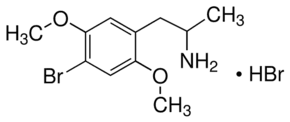
(±)-2,5-Dimethoxy-4-bromoamphetamine hydrobromide
Biochemicals & Reagents
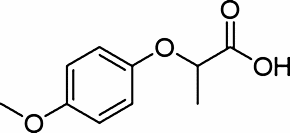
(±)-2-(p-Methoxyphenoxy)propionic acid
C10H12O4
Biochemicals & Reagents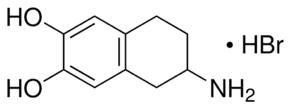
(±)-2-Amino-6,7-dihydroxy-1,2,3,4-tetrahydronaphthalene hydrobromide
C10H13NO2·HBr
Biochemicals & Reagents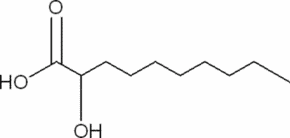
(±)-2-Hydroxydecanoic acid
C10H20O3
Biochemicals & Reagents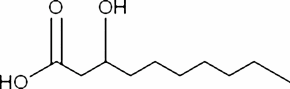
(±)-3-Hydroxydecanoic acid
C10H20O3
Biochemicals & Reagents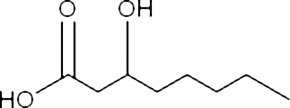
(±)-3-Hydroxyoctanoic acid
C8H16O3
Biochemicals & Reagents▶ Explore more

Bis(cyclopentadienyl)cobalt(III) hexafluorophosphate
C10H10CoF6P
Catalysis & Inorganic
1-(4-Chlorophenyl)biguanide hydrochloride
ClC6H4NHC(NH)NHC(NH)NH2 · HCl
Chemical Synthesis
Bis(cyclopentadienyl)dimethylzirconium(IV)
Catalysis & Inorganic

1-(4-Chlorophenyl)ethanol
ClC6H4CH(CH3)OH
Chemical Synthesis