Adenosine 5′-triphosphate di(tris) salt hydrate
Adenosine 5′-triphosphate di(tris) salt hydrate (CAS: 102047-34-7) is an essential biomolecule with the empirical formula C10H16N5O13P3 · 2C4H11NO3 · xH2O. Weighing 749.45 g/mol on an anhydrous basis, this compound is crucial for cellular energy storage and metabolism. It functions as a substrate in numerous enzymatic reactions, including those involving kinases and adenylate cyclases, and serves as a coenzyme, playing a vital role in cellular processes, biosynthesis, and motility. This formulation is particularly useful in metal-free applications.
- IUPAC
- 5′-ATP-DiTris
.png&w=3840&q=75)
Energy Metabolism and Storage
Adenosine 5′-triphosphate (ATP) is the primary carrier of metabolic energy in vivo. It fuels essential cellular processes such as respiration, biosynthesis, muscle contraction, and cell division. Its di(tris) salt form is advantageous for experiments sensitive to metal ion contamination.
Enzymatic Substrate and Coenzyme
ATP serves as a key substrate for various enzymes, including kinases, which are critical in cell signalling pathways. It also acts as a coenzyme in a wide range of enzymatic reactions, facilitating biochemical transformations necessary for life.
Second Messenger Production
ATP is a precursor for the synthesis of cyclic adenosine monophosphate (cAMP) by adenylate cyclases. cAMP acts as a crucial second messenger in many intracellular signal transduction pathways, mediating cellular responses to external stimuli.
Driving Cellular Pumps
The hydrolysis of ATP provides the necessary energy to power various cellular pumps, such as ion pumps. These pumps are essential for maintaining cellular homeostasis, including gradients of ions across membranes, which are vital for nerve impulses and muscle function.
| Molecular weight | 749.45 (anhydrous basis) |
|---|---|
| Empirical formula | C10H16N5O13P3 · 2C4H11NO3 · xH2O |
| Assay | ≥95% |
| Solubility | H2O: soluble50 mg/mL |
| Storage temperature | −20°C |
| Application | Adenosine 5′-triphosphate di(tris) salt dehydrate is useful in applications that require the absence of metals.Adenosine 5′-triphosphate (ATP) is a central component of energy storage and metabolism in vivo. ATP is use in many cellular processes, respiration, biosynthetic reactions, motility, and cell division. ATP is a substrate of many kinases involved in cell signaling and of adenylate cyclase(s) that produce the second messenger cAMP. ATP provides the metabolic energy to drive metabolic pumps. ATP serves as a coenzyme in a wide array of enzymatic reactions. |

Hazard statements
- H315Causes skin irritation
- H319Causes serious eye irritation
- H335May cause respiratory irritation
Precautionary statements
- P261Avoid breathing dust, fume, gas or vapours
- P305IF IN EYES
| Protective equipment | dust mask type N95 (US), Eyeshields, Gloves |
|---|---|
| Water hazard class (WGK, DE) | 3 |
| Hazard codes (EU) | Xi |
| Risk statements (R) | 36/37/38 |
| Safety statements (S) | 26 |
| Cation traces | Na: ≤0.1% |
Hazard information is provided for guidance. Always consult the product Safety Data Sheet (SDS), available on request, before handling.
Documentation
Every batch ships with a Certificate of Analysis covering assay, identity and purity; the grade is confirmed against your enquiry. Safety Data Sheets and technical data sheets are available on request.
Supply & logistics
Samples for technical evaluation; bulk MOQ by grade and packaging. In-stock material ships in 7–10 working days, worldwide, with full export documentation.
What is Adenosine 5′-triphosphate di(tris) salt hydrate used for?
+
Adenosine 5′-triphosphate di(tris) salt hydrate is used in applications requiring the absence of metal ions. It plays a central role in cellular energy storage and metabolism, functioning as a substrate for kinases and adenylate cyclases, and as a coenzyme in numerous enzymatic reactions. It is also crucial for powering cellular pumps and producing the second messenger cAMP.
What are the CAS number and molecular formula?
+
The CAS number for the anhydrous form is 102047-34-7. The empirical formula is C10H16N5O13P3 · 2C4H11NO3 · xH2O, with a molecular weight of 749.45 g/mol on an anhydrous basis.
What grade and purity does Tech Serve Solutions supply?
+
Tech Serve Solutions supplies Adenosine 5′-triphosphate di(tris) salt hydrate with an assay of ≥95%. This product is intended for research and laboratory use. Tech Serve Solutions does not represent this product as meeting pharmacopoeia standards such as USP, BP, or EP.
What are the safety and handling precautions for this product?
+
This product is classified as a Warning. It may cause skin irritation (H315), serious eye irritation (H319), and respiratory irritation (H335). When handling, use a dust mask type N95 (US), wear eyeshields, and gloves. Ensure good ventilation. In case of contact with eyes, rinse cautiously with water for several minutes, and remove contact lenses if present and easy to do.
How is Adenosine 5′-triphosphate di(tris) salt hydrate shipped and exported?
+
Adenosine 5′-triphosphate di(tris) salt hydrate is typically stored at -20°C. Tech Serve Solutions is a specialist global supplier and exporter of fine chemicals, pharmaceutical intermediates, and laboratory reagents, ensuring compliant packaging and shipping for international orders.
How can I request a sample or a quote?
+
To request a sample or a quote for Adenosine 5′-triphosphate di(tris) salt hydrate, please contact our sales team through the dedicated portal on the Tech Serve Solutions website. Provide the product name and CAS number for prompt service.
▶ Related products
![(±)-(E)-4-Ethyl-2-[(E)-hydroxyimino]-5-nitro-3-hexenamide (C8H13N3O4) — chemical structure, CAS 138472-01-2; Biochemicals & Reagents, fine chemical supplied by Tech Serve Solutions](/_next/image?url=https%3A%2F%2Fpub-f4d920c906024441a773a96f7098e551.r2.dev%2Fimages%2Fproducts%2F138472-01-2.png&w=3840&q=75)
(±)-(E)-4-Ethyl-2-[(E)-hydroxyimino]-5-nitro-3-hexenamide
C8H13N3O4
Biochemicals & Reagents![(±)-(E)-4-Ethyl-2-[(Z)-hydroxyimino]-5-nitro-3-hexen-1-yl-nicotinamide (C14H18N4O4) — chemical structure, CAS 162626-99-5; Biochemicals & Reagents, fine chemical supplied by Tech Serve Solutions](/_next/image?url=https%3A%2F%2Fpub-f4d920c906024441a773a96f7098e551.r2.dev%2Fimages%2Fproducts%2F162626-99-5.png&w=3840&q=75)
(±)-(E)-4-Ethyl-2-[(Z)-hydroxyimino]-5-nitro-3-hexen-1-yl-nicotinamide
C14H18N4O4
Biochemicals & Reagents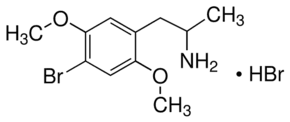
(±)-2,5-Dimethoxy-4-bromoamphetamine hydrobromide
Biochemicals & Reagents
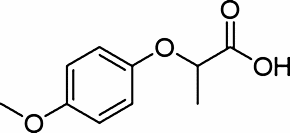
(±)-2-(p-Methoxyphenoxy)propionic acid
C10H12O4
Biochemicals & Reagents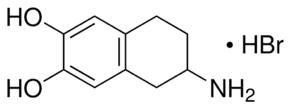
(±)-2-Amino-6,7-dihydroxy-1,2,3,4-tetrahydronaphthalene hydrobromide
C10H13NO2·HBr
Biochemicals & Reagents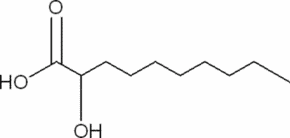
(±)-2-Hydroxydecanoic acid
C10H20O3
Biochemicals & Reagents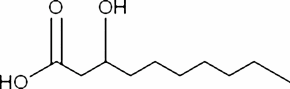
(±)-3-Hydroxydecanoic acid
C10H20O3
Biochemicals & Reagents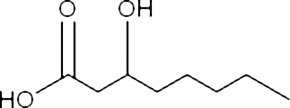
(±)-3-Hydroxyoctanoic acid
C8H16O3
Biochemicals & Reagents