Adenosine 5′-triphosphate γ-(1-[2-nitrophenyl]ethyl) ester sodium salt
Adenosine 5′-triphosphate γ-(1-[2-nitrophenyl]ethyl) ester sodium salt (CAS: 171800-68-3; C18H21N6Na2O15P3) is a caged form of ATP. This compound acts as a photolabile substrate, releasing active ATP upon UV irradiation. It is primarily utilised in biochemical research to study ATP-dependent biological processes and enzymatic reactions with temporal control, such as those involving luciferase or molecular motors.
- IUPAC
- ‘Caged ATP’,NPE caged ATP
![Adenosine 5′-triphosphate γ-(1-[2-nitrophenyl]ethyl) ester sodium salt (C18H21N6Na2O15P3) — chemical structure, CAS 171800-68-3; Life Science, fine chemical supplied by Tech Serve Solutions](/_next/image?url=https%3A%2F%2Fpub-f4d920c906024441a773a96f7098e551.r2.dev%2Fimages%2Fproducts%2F171800-68-3.png&w=3840&q=75)
Photolyzing Substrate for Bioluminescence
Utilised as a "caged" ATP substrate in luciferase-mediated firefly bioluminescence assays. Light-induced release of ATP allows for precise temporal control over enzymatic activity.
Studying ATP-Dependent Molecular Motors
Investigates the dynamics of motor proteins like myosin Va. The controlled release of ATP from the caged form helps elucidate the mechanisms of force generation and movement.
Biochemical Research Reagent
A versatile tool for studying various ATP-dependent enzymatic reactions and signalling pathways where controlled ATP delivery is crucial. Enables researchers to probe kinetic and dynamic properties.
| Molecular weight | 700.29 |
|---|---|
| Empirical formula | C18H21N6Na2O15P3 |
| Assay | ≥95% (HPLC) |
| Storage temperature | −20°C |
| Application | Adenosine 5′-triphosphate γ-(1-[2-nitrophenyl]ethyl) ester (“Caged” ATP) is used as a photolyzing substrate of luciferase-mediated firefly bioluminescence and other ATP-dependent photolytic processes. Caged ATP has also been used to study the dynamics of ATP-driven linear molecular motors such as myosin Va. |
| Protective equipment | Eyeshields, Gloves, type N95 (US), type P1 (EN143) respirator filter |
|---|---|
| Water hazard class (WGK, DE) | 3 |
Hazard information is provided for guidance. Always consult the product Safety Data Sheet (SDS), available on request, before handling.
Documentation
Every batch ships with a Certificate of Analysis covering assay, identity and purity; the grade is confirmed against your enquiry. Safety Data Sheets and technical data sheets are available on request.
Supply & logistics
Samples for technical evaluation; bulk MOQ by grade and packaging. In-stock material ships in 7–10 working days, worldwide, with full export documentation.
What is Adenosine 5′-triphosphate γ-(1-[2-nitrophenyl]ethyl) ester sodium salt used for?
+
This compound is used as a photolabile substrate, commonly referred to as 'caged ATP', for studying ATP-dependent processes with temporal control, such as luciferase-mediated bioluminescence and the dynamics of molecular motors.
What is the CAS number and molecular formula?
+
The CAS number is 171800-68-3 and the molecular formula is C18H21N6Na2O15P3.
What grade and purity does Tech Serve Solutions supply?
+
Tech Serve Solutions supplies this compound with an assay of ≥95% (HPLC). It is supplied for research purposes and is not represented as USP, BP, EP, or pharmaceutical grade.
How should Adenosine 5′-triphosphate γ-(1-[2-nitrophenyl]ethyl) ester sodium salt be handled?
+
When handling, use appropriate personal protective equipment including eyeshields and gloves. A type N95 (US) or type P1 (EN143) respirator filter is recommended. Avoid inhalation and skin/eye contact.
Is this compound a controlled substance?
+
This compound is not listed as a controlled substance.
How is this product exported and shipped?
+
As a global supplier, Tech Serve Solutions exports fine chemicals worldwide. Specific shipping and packaging details are provided upon request to ensure compliance with all relevant regulations.
How can I request a quote or sample?
+
Please contact our sales team via the website or by phone to request a quotation or to enquire about obtaining a sample for evaluation.
▶ Related products
![(±)-(E)-4-Ethyl-2-[(E)-hydroxyimino]-5-nitro-3-hexenamide (C8H13N3O4) — chemical structure, CAS 138472-01-2; Biochemicals & Reagents, fine chemical supplied by Tech Serve Solutions](/_next/image?url=https%3A%2F%2Fpub-f4d920c906024441a773a96f7098e551.r2.dev%2Fimages%2Fproducts%2F138472-01-2.png&w=3840&q=75)
(±)-(E)-4-Ethyl-2-[(E)-hydroxyimino]-5-nitro-3-hexenamide
C8H13N3O4
Biochemicals & Reagents![(±)-(E)-4-Ethyl-2-[(Z)-hydroxyimino]-5-nitro-3-hexen-1-yl-nicotinamide (C14H18N4O4) — chemical structure, CAS 162626-99-5; Biochemicals & Reagents, fine chemical supplied by Tech Serve Solutions](/_next/image?url=https%3A%2F%2Fpub-f4d920c906024441a773a96f7098e551.r2.dev%2Fimages%2Fproducts%2F162626-99-5.png&w=3840&q=75)
(±)-(E)-4-Ethyl-2-[(Z)-hydroxyimino]-5-nitro-3-hexen-1-yl-nicotinamide
C14H18N4O4
Biochemicals & Reagents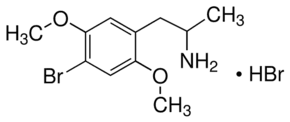
(±)-2,5-Dimethoxy-4-bromoamphetamine hydrobromide
Biochemicals & Reagents
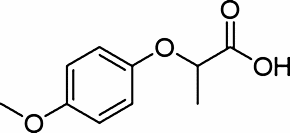
(±)-2-(p-Methoxyphenoxy)propionic acid
C10H12O4
Biochemicals & Reagents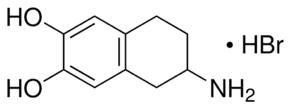
(±)-2-Amino-6,7-dihydroxy-1,2,3,4-tetrahydronaphthalene hydrobromide
C10H13NO2·HBr
Biochemicals & Reagents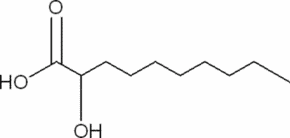
(±)-2-Hydroxydecanoic acid
C10H20O3
Biochemicals & Reagents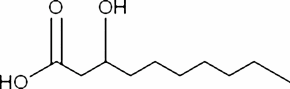
(±)-3-Hydroxydecanoic acid
C10H20O3
Biochemicals & Reagents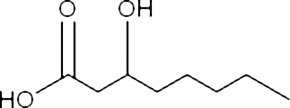
(±)-3-Hydroxyoctanoic acid
C8H16O3
Biochemicals & Reagents