
Acriflavine hydrochloride
Acriflavine hydrochloride (CAS 8063-24-9) is a synthetic yellow-orange fluorescent dye and antiseptic agent. It is a mixture of the hydrochloride salts of 3,6-diaminoacridine and 3,6-diamino-10-methylacridinium chloride. This compound is known for its antimicrobial properties and its use as a fluorescent stain in biological and histological applications, particularly for nucleic acids. Its solubility in water makes it a convenient reagent for various laboratory procedures.
- IUPAC
- 3,6-Diamino-10-methylacridinium chloride hydrochloride,Euflavine
- Synonyms
- 3,6-Diaminoacridine hydrochlorideAcriflavineEuflavineGuanoflagylNeutroflavin

Fluorescent Staining
Acriflavine hydrochloride serves as a vital fluorescent probe and stain in microscopy. It is widely used for visualising cellular structures, particularly nucleic acids like DNA and RNA, due to its intercalating properties.
Antimicrobial Agent
Historically employed for its antiseptic and disinfectant qualities, Acriflavine hydrochloride exhibits broad-spectrum antimicrobial activity. It is used in specific laboratory contexts where microbial inhibition is required.
Biological Research
In cell biology, this compound can be used to study cellular processes. Its fluorescent nature aids in tracking or identifying specific cellular components or changes within cell cultures.
Histology and Hematology
Acriflavine hydrochloride finds application in histological staining techniques. It aids in the differential staining of tissues and blood cells, facilitating detailed examination under a microscope.
| Form | powder |
|---|---|
| Solubility | H2O: soluble1 mg/mL |
| Melting point | 260 °C (dec.)(lit.) |


Hazard statements
- H302Harmful if swallowed
- H318Causes serious eye damage
- H411Toxic to aquatic life with long-lasting effects
Precautionary statements
- P273Avoid release to the environment
- P280Wear protective gloves, clothing and eye/face protection
- P305IF IN EYES
| Protective equipment | dust mask type N95 (US), Eyeshields, Gloves |
|---|---|
| Transport (UN / ADR) | UN 3077 9 / PGIII |
| Water hazard class (WGK, DE) | 2 |
| Hazard codes (EU) | Xn,N |
| Risk statements (R) | 22-41-51/53 |
| Safety statements (S) | 26-39-61 |
Hazard information is provided for guidance. Always consult the product Safety Data Sheet (SDS), available on request, before handling.
| Quality Level | PREMIUM |
|---|
Documentation
Every batch ships with a Certificate of Analysis covering assay, identity and purity; the grade is confirmed against your enquiry. Safety Data Sheets and technical data sheets are available on request.
Supply & logistics
Samples for technical evaluation; bulk MOQ by grade and packaging. In-stock material ships in 7–10 working days, worldwide, with full export documentation.
What is Acriflavine hydrochloride used for?
+
Acriflavine hydrochloride is primarily used as a fluorescent stain for biological specimens, particularly nucleic acids, and as an antiseptic agent in laboratory settings.
What is the CAS number and formula for Acriflavine hydrochloride?
+
The CAS number for Acriflavine hydrochloride is 8063-24-9. The exact empirical formula is not provided, but it is a mixture of acridine derivatives.
What grade and purity does Tech Serve Solutions supply?
+
Tech Serve Solutions supplies Acriflavine hydrochloride in PREMIUM grade. We do not claim USP, BP, or EP compliance unless explicitly stated in the product specifications. Please refer to the product details for specific purity information.
How should Acriflavine hydrochloride be handled safely?
+
Handle Acriflavine hydrochloride with appropriate personal protective equipment, including a dust mask (type N95 US), eyeshields, and gloves. It is harmful if swallowed, causes serious eye damage, and is toxic to aquatic life with long-lasting effects. Avoid release to the environment.
Is Acriflavine hydrochloride a controlled substance?
+
The provided data does not indicate that Acriflavine hydrochloride is a controlled substance in major jurisdictions. However, users should always verify local regulations.
How is Acriflavine hydrochloride packed, shipped, and exported?
+
Acriflavine hydrochloride is supplied as a powder. TSS ensures secure packaging for domestic and international shipment, adhering to all relevant transportation regulations for hazardous materials like UN 3077.
How can I request a sample or quote for Acriflavine hydrochloride?
+
To request a sample or obtain a quote, please contact our sales team through the website or by phone. Please specify the product name and CAS number (8063-24-9).
▶ Related products
![(±)-(E)-4-Ethyl-2-[(E)-hydroxyimino]-5-nitro-3-hexenamide (C8H13N3O4) — chemical structure, CAS 138472-01-2; Biochemicals & Reagents, fine chemical supplied by Tech Serve Solutions](/_next/image?url=https%3A%2F%2Fpub-f4d920c906024441a773a96f7098e551.r2.dev%2Fimages%2Fproducts%2F138472-01-2.png&w=3840&q=75)
(±)-(E)-4-Ethyl-2-[(E)-hydroxyimino]-5-nitro-3-hexenamide
C8H13N3O4
Biochemicals & Reagents![(±)-(E)-4-Ethyl-2-[(Z)-hydroxyimino]-5-nitro-3-hexen-1-yl-nicotinamide (C14H18N4O4) — chemical structure, CAS 162626-99-5; Biochemicals & Reagents, fine chemical supplied by Tech Serve Solutions](/_next/image?url=https%3A%2F%2Fpub-f4d920c906024441a773a96f7098e551.r2.dev%2Fimages%2Fproducts%2F162626-99-5.png&w=3840&q=75)
(±)-(E)-4-Ethyl-2-[(Z)-hydroxyimino]-5-nitro-3-hexen-1-yl-nicotinamide
C14H18N4O4
Biochemicals & Reagents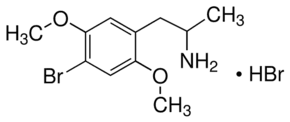
(±)-2,5-Dimethoxy-4-bromoamphetamine hydrobromide
Biochemicals & Reagents
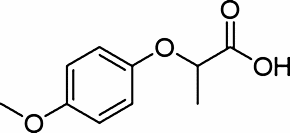
(±)-2-(p-Methoxyphenoxy)propionic acid
C10H12O4
Biochemicals & Reagents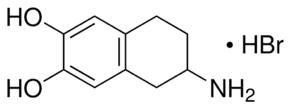
(±)-2-Amino-6,7-dihydroxy-1,2,3,4-tetrahydronaphthalene hydrobromide
C10H13NO2·HBr
Biochemicals & Reagents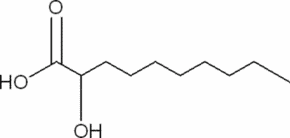
(±)-2-Hydroxydecanoic acid
C10H20O3
Biochemicals & Reagents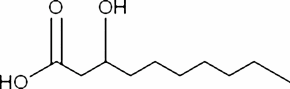
(±)-3-Hydroxydecanoic acid
C10H20O3
Biochemicals & Reagents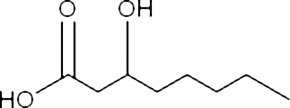
(±)-3-Hydroxyoctanoic acid
C8H16O3
Biochemicals & Reagents▶ Explore more

Bis(cyclopentadienyl)cobalt(III) hexafluorophosphate
C10H10CoF6P
Catalysis & Inorganic
1-(4-Chlorophenyl)biguanide hydrochloride
ClC6H4NHC(NH)NHC(NH)NH2 · HCl
Chemical Synthesis
Bis(cyclopentadienyl)dimethylzirconium(IV)
Catalysis & Inorganic

1-(4-Chlorophenyl)ethanol
ClC6H4CH(CH3)OH
Chemical Synthesis