2-[4-(Dimethylamino)styryl]-1-methylquinolinium iodide
2- [4-(Dimethylamino)styryl]-1-methylquinolinium iodide (CAS: 3915-61-5; Formula: C20H21IN2) is a fluorescent stain and probe utilized in biochemical research. With a molecular weight of 416.30 g/mol, this compound exhibits fluorescence properties with an excitation maximum of 463 nm and an emission maximum of 512 nm under specific buffer conditions. It is soluble in DMSO and methanol, making it a versatile reagent for various detection and labelling applications in life sciences.
![2-[4-(Dimethylamino)styryl]-1-methylquinolinium iodide (C20H21IN2) — chemical structure, CAS 3915-61-5; Life Science, fine chemical supplied by Tech Serve Solutions](/_next/image?url=https%3A%2F%2Fpub-f4d920c906024441a773a96f7098e551.r2.dev%2Fimages%2Fproducts%2F3915-61-5.png&w=3840&q=75)
Fluorescent Nucleic Acid Staining
This quinolinium iodide derivative serves as a fluorescent stain for nucleic acids. Its spectral properties allow for visualisation and analysis of DNA and RNA in various biological samples.
Flow Cytometry Staining
It is specifically categorised for use as a nucleic acid stain in flow cytometry applications. This enables the quantitative analysis of cellular DNA content and cell cycle distribution.
Fluorescent Labeling Reagent
The compound can be employed as a fluorescent probe for labelling biological molecules or structures. Its distinct fluorescence characteristics facilitate detection and imaging in research settings.
Biochemical Detection
As a biochemical reagent, it aids in various detection assays. Its fluorescence emission at 512 nm is useful for qualitative and quantitative assessments in biological research.
| Molecular weight | 416.30 |
|---|---|
| Empirical formula | C20H21IN2 |
| Assay | ≥98.0% (TLC) |
| Grade | for fluorescence |
| Solubility | DMSO: solublemethanol: soluble |
| Melting point | 261 °C (dec.)(lit.) |


Hazard statements
- H315Causes skin irritation
- H319Causes serious eye irritation
- H335May cause respiratory irritation
- H360May damage fertility or the unborn child
Precautionary statements
- P201Obtain special instructions before use
- P261Avoid breathing dust, fume, gas or vapours
- P305IF IN EYES
- P308IF exposed or concerned
| Protective equipment | Eyeshields, full-face particle respirator type N100 (US), Gloves, respirator cartridge type N100 (US), type P1 (EN143) respirator filter, type P3 (EN 143) respirator cartridges |
|---|---|
| Water hazard class (WGK, DE) | 3 |
| Hazard codes (EU) | T |
| Risk statements (R) | 61-36/37/38 |
| Safety statements (S) | 53-26-36/37/39-45 |
Hazard information is provided for guidance. Always consult the product Safety Data Sheet (SDS), available on request, before handling.
| Fluorescence | λex 463 nm; λem 512 nm in phosphate buffer/SDS pH 7.0 |
|---|
Documentation
Every batch ships with a Certificate of Analysis covering assay, identity and purity; the grade is confirmed against your enquiry. Safety Data Sheets and technical data sheets are available on request.
Supply & logistics
Samples for technical evaluation; bulk MOQ by grade and packaging. In-stock material ships in 7–10 working days, worldwide, with full export documentation.
What is 2-[4-(Dimethylamino)styryl]-1-methylquinolinium iodide used for?
+
This compound is primarily used as a fluorescent stain and probe for nucleic acids, particularly in applications like flow cytometry and general biochemical detection.
What is the CAS number and molecular formula?
+
The CAS number is 3915-61-5, and the molecular formula is C20H21IN2.
What grade and purity does Tech Serve Solutions supply?
+
Tech Serve Solutions supplies this chemical with an assay of ≥98.0% (TLC) and a grade of 'for fluorescence'. We do not represent this product as USP, BP, or EP.
What are the primary safety concerns when handling this chemical?
+
This compound is labelled with GHS07 and GHS08 symbols and has a 'Danger' signal word. It carries hazard statements including H315 (Causes skin irritation), H319 (Causes serious eye irritation), H335 (May cause respiratory irritation), and H360 (May damage fertility or the unborn child). Always use appropriate personal protective equipment, including eyeshields, gloves, and respiratory protection (e.g., N100 respirator), and handle in a well-ventilated area.
Does Tech Serve Solutions export this chemical?
+
Yes, Tech Serve Solutions is a global supplier and exporter of fine chemicals.
How can I request a quote or sample?
+
To request a quote or sample, please use the contact form on our website or call our sales department.
▶ Related products
![(±)-(E)-4-Ethyl-2-[(E)-hydroxyimino]-5-nitro-3-hexenamide (C8H13N3O4) — chemical structure, CAS 138472-01-2; Biochemicals & Reagents, fine chemical supplied by Tech Serve Solutions](/_next/image?url=https%3A%2F%2Fpub-f4d920c906024441a773a96f7098e551.r2.dev%2Fimages%2Fproducts%2F138472-01-2.png&w=3840&q=75)
(±)-(E)-4-Ethyl-2-[(E)-hydroxyimino]-5-nitro-3-hexenamide
C8H13N3O4
Biochemicals & Reagents![(±)-(E)-4-Ethyl-2-[(Z)-hydroxyimino]-5-nitro-3-hexen-1-yl-nicotinamide (C14H18N4O4) — chemical structure, CAS 162626-99-5; Biochemicals & Reagents, fine chemical supplied by Tech Serve Solutions](/_next/image?url=https%3A%2F%2Fpub-f4d920c906024441a773a96f7098e551.r2.dev%2Fimages%2Fproducts%2F162626-99-5.png&w=3840&q=75)
(±)-(E)-4-Ethyl-2-[(Z)-hydroxyimino]-5-nitro-3-hexen-1-yl-nicotinamide
C14H18N4O4
Biochemicals & Reagents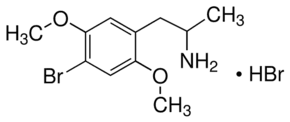
(±)-2,5-Dimethoxy-4-bromoamphetamine hydrobromide
Biochemicals & Reagents
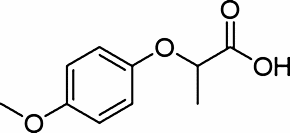
(±)-2-(p-Methoxyphenoxy)propionic acid
C10H12O4
Biochemicals & Reagents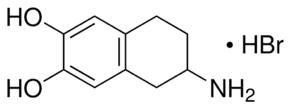
(±)-2-Amino-6,7-dihydroxy-1,2,3,4-tetrahydronaphthalene hydrobromide
C10H13NO2·HBr
Biochemicals & Reagents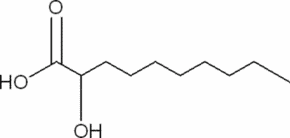
(±)-2-Hydroxydecanoic acid
C10H20O3
Biochemicals & Reagents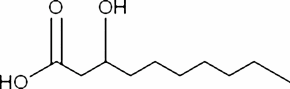
(±)-3-Hydroxydecanoic acid
C10H20O3
Biochemicals & Reagents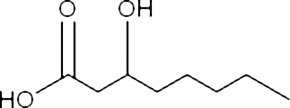
(±)-3-Hydroxyoctanoic acid
C8H16O3
Biochemicals & Reagents